

 English
 中文简体
 русский
 Français
 Español
 Deutsch

YXKS2-M Biaxial Warp Knitting Machine for High-Speed Chemical Fiber Textile Production
2026-10-17
Content
- 1 1. Product Positioning and Main Application
- 2 2. Full-Width Weft Insertion for Controlled Fabric Formation
- 3 3. High-Speed Operation with Practical Production Control
- 4 4. Wide Working Width for Industrial Textile Production
- 5 5. Advantages for Garment Interlining Production
- 6 6. Advantages for Warp-Knitted Crepe Fabric
- 7 7. Configuration According to Fabric and Workshop Requirements
- 8 8. Manufacturing Strengths and Engineering Capability
- 9 9. Manufacturing and Quality Control Process
- 10 10. Project Development from Samples to Final Inspection
- 11 11. Installation, Commissioning and Training
- 12 12. After-Sales Service and Long-Term Support
- 13 13. Comparison with Alternative Supplier Approaches
- 14 14. Output Planning and Economic Efficiency
- 15 15. Information Required for a Technical Proposal
- 16 16. Recommended Operating and Maintenance Practices
- 17 17. Frequently Asked Questions
- 17.1 What materials can the YXKS2-M process?
- 17.2 What products can be manufactured?
- 17.3 What is the machine speed range?
- 17.4 What is the working width?
- 17.5 What is the daily output?
- 17.6 Can the machine be customized?
- 17.7 Is the machine suitable for a new textile factory?
- 17.8 Does the supplier provide installation?
- 17.9 What training is available?
- 17.10 How should buyers compare this machine with competing models?
- 17.11 How can a customer request a quotation?
- 18 18. Conclusion
- 19 References
- 20 Product: YXKS2-M Biaxial Warp Knitting Machine
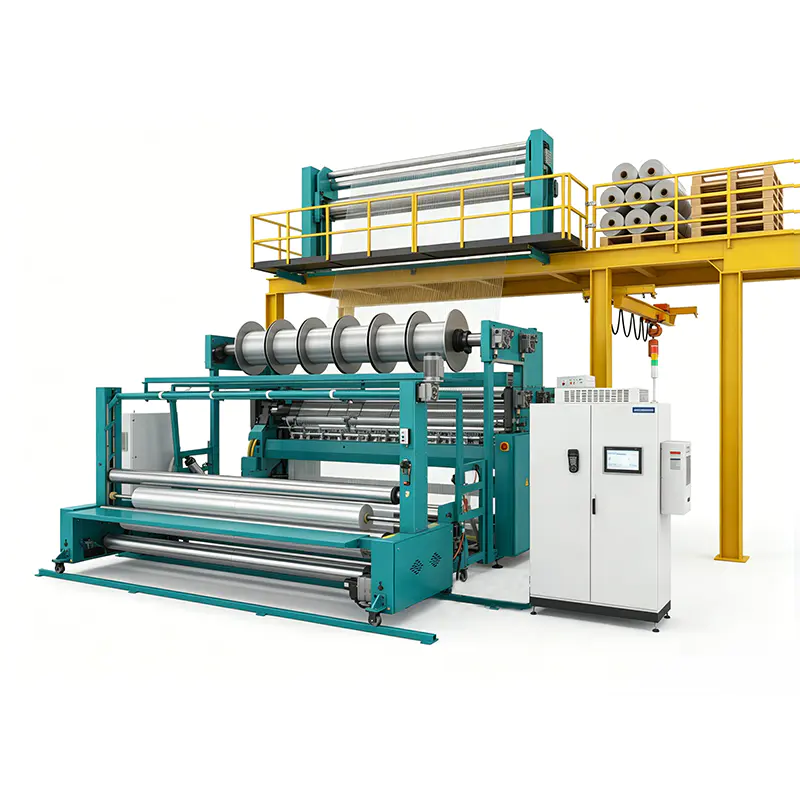
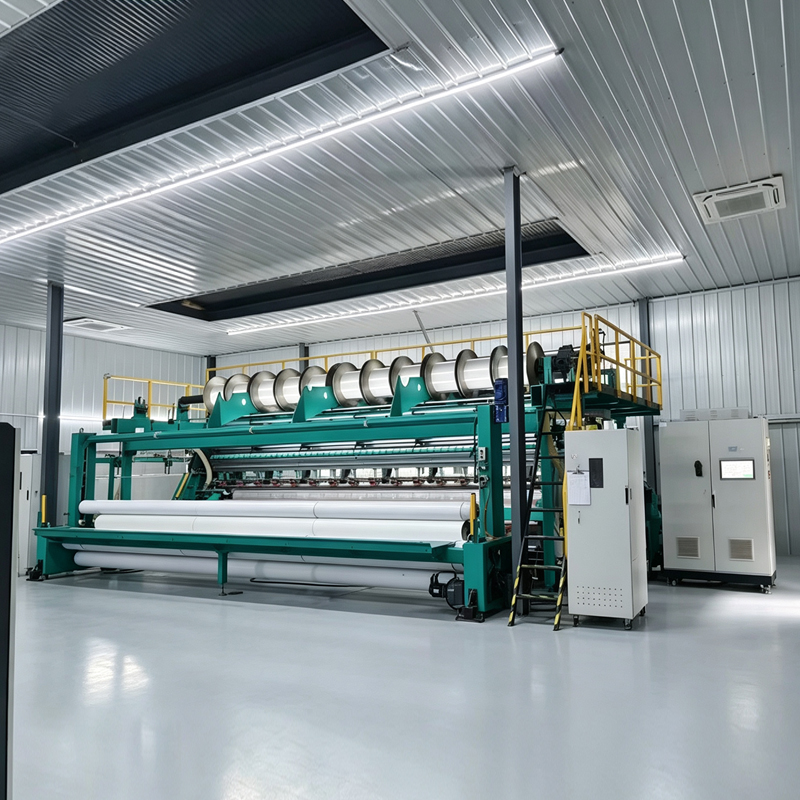
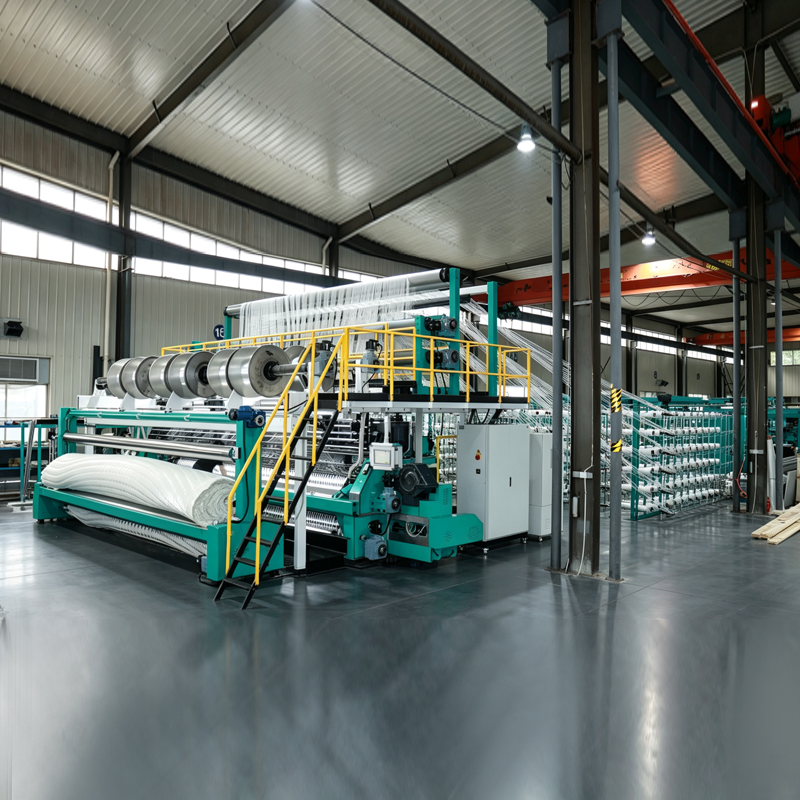
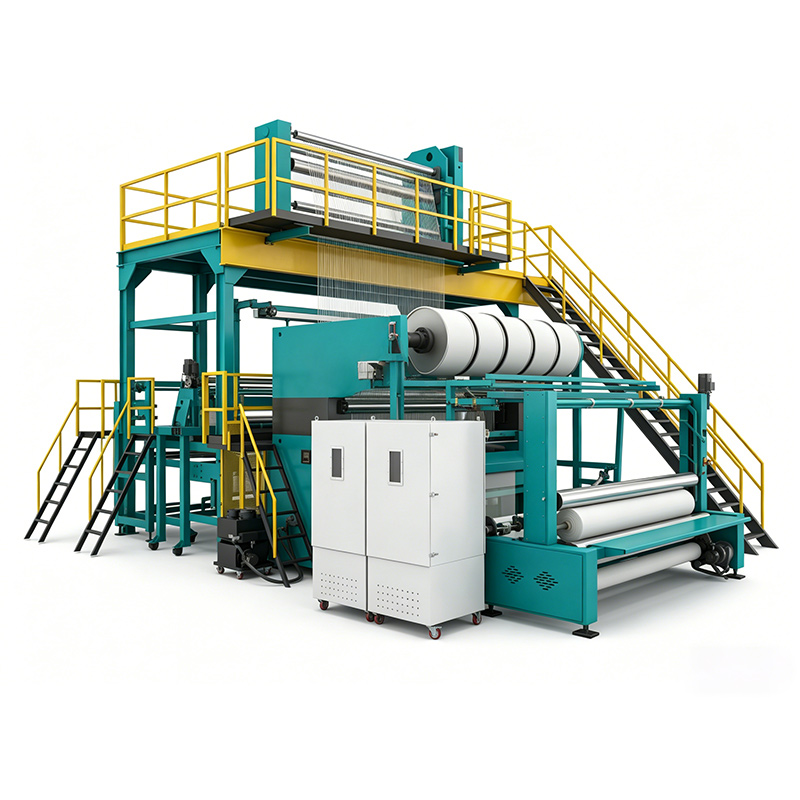
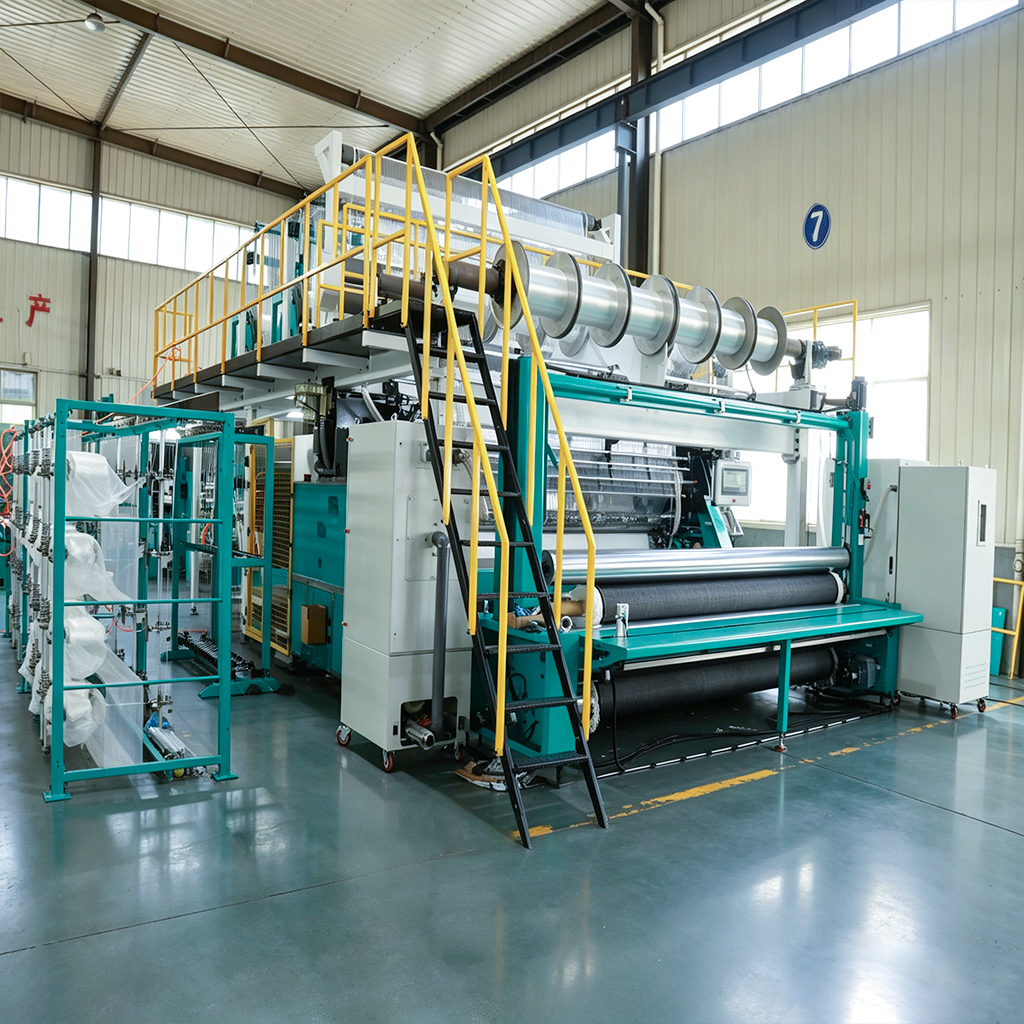
The YXKS2-M Biaxial Warp Knitting Machine is a high-speed textile production solution developed for chemical fiber filaments, polyester yarns, garment interlining and warp-knitted crepe fabric. Combining a Tricot-type operating concept with full-width weft insertion, the machine is designed for textile manufacturers that require stable fabric formation, broad working width, efficient production and dependable long-term operation.
In modern textile manufacturing, equipment selection directly affects fabric consistency, production cost, delivery reliability and the ability to respond to changing customer specifications. A machine may have a high nominal speed, but speed alone does not determine the value of a production line. Yarn handling, guide bar movement, weft insertion accuracy, fabric-width stability, machine rigidity, control parameters, maintenance access and technical support all influence the final result.
The YXKS2-M addresses these requirements through a configuration-oriented design. It is intended to process chemical fiber and polyester filaments efficiently while supporting products used in garment manufacturing. Its operating range of 20–1500 r/min and working width of 247 inches provide a broad platform for different production plans. A reference output of approximately 150 kg per day is available for crepe fabric, although actual output depends on fabric construction, yarn characteristics, process settings, operating speed and shift conditions.
For textile mills seeking a machine that can be adapted to their fabric requirements rather than limited to a single fixed construction, the YXKS2-M offers a practical combination of speed, width, production flexibility and engineering support.
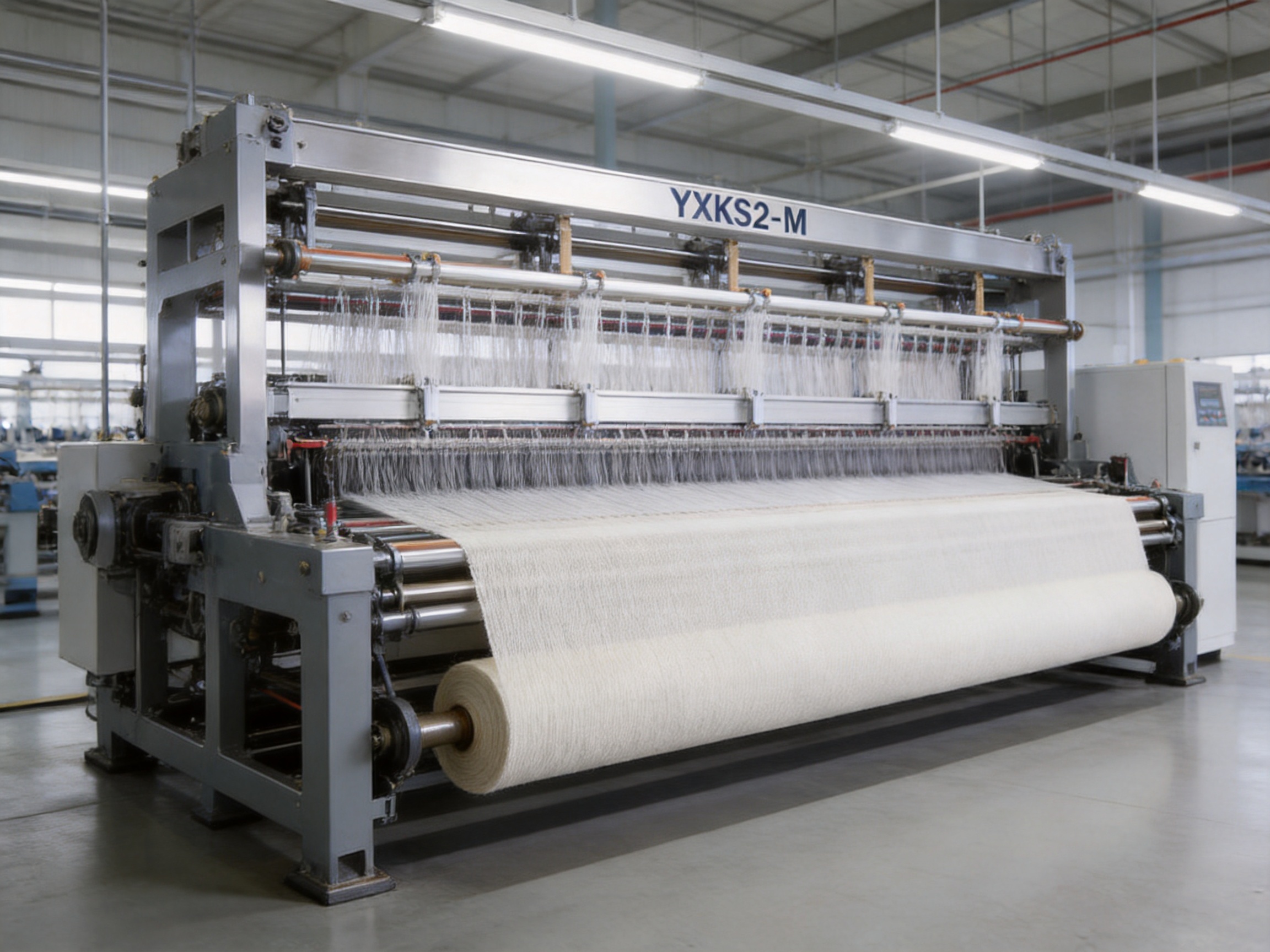
YXKS2-M Biaxial Warp Knitting Machine
1. Product Positioning and Main Application
The YXKS2-M is a biaxial warp knitting machine designed for the production of fabrics from chemical fiber filaments, especially polyester. Its primary application areas are garment interlining and warp-knitted crepe fabric. These products require controlled yarn movement, consistent fabric formation and reliable production over extended operating periods.
Garment interlining is used as a supporting textile layer in clothing production. Depending on the downstream process, it may be coated, bonded, laminated, cut or combined with outer and lining fabrics. The base fabric must therefore provide a stable structure that can withstand subsequent processing. Uniform width, consistent weight and a controlled surface are important characteristics for interlining manufacturers.
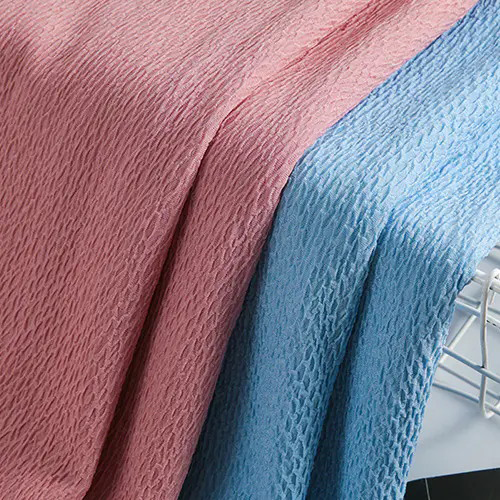
Warp-knitted crepe fabric is another important application. Crepe structures depend on the interaction of yarn arrangement, knitting movement, weft insertion and finishing conditions. Small changes in yarn tension or fabric formation can influence surface texture, drape, density and appearance. The YXKS2-M is intended to provide a controlled production platform for this type of material.
The machine is particularly suitable for mills that process chemical fiber filaments in continuous production. Polyester and similar yarns are widely used because of their strength, dimensional stability, availability and compatibility with industrial textile processes. However, these yarns still require appropriate tension management and process control. A production machine must be configured according to yarn count, fabric construction and the desired final performance.
Core Product Information
| Item | Specification |
|---|---|
| Product | YXKS2-M Biaxial Warp Knitting Machine |
| Machine type | High-speed biaxial warp knitting machine with full-width weft insertion |
| Applicable fibers | Chemical fibers and polyester |
| Main products | Garment interlining and warp-knitted crepe fabric |
| Application field | Garment textile production |
| Machine speed | 20–1500 r/min |
| Working width | 247 inches |
| Specification example | Crepe fabric |
| Daily output reference | Approximately 150 kg, depending on fabric construction and process |
The values above should be treated as a technical basis for project discussion rather than as a guarantee for every fabric. Actual performance must be confirmed against the selected yarn, fabric weight, insertion density, machine configuration, shift pattern and finishing route.
2. Full-Width Weft Insertion for Controlled Fabric Formation
One of the defining characteristics of the YXKS2-M is its full-width weft insertion system. This arrangement is important for fabrics where width consistency and cross-directional structure influence quality. By introducing weft yarn across the working width, the machine can support the formation of fabrics with a more controlled lateral structure than processes that rely only on longitudinal yarn movement.
For garment interlining, full-width weft insertion can contribute to the formation of a stable base for coating or bonding. A consistent base structure helps downstream processors achieve more predictable handling during finishing, slitting and cutting. For warp-knitted crepe fabric, it can support the intended balance between surface texture, fabric stability and width control.
The effectiveness of full-width insertion depends on more than the insertion mechanism itself. Yarn tension, guide bar timing, beam preparation, insertion density and machine speed must work together. This is why the YXKS2-M is configured according to the target fabric rather than being treated as a universal machine with one fixed setup.
When compared with a machine selected only for its maximum rotational speed, the YXKS2-M offers a broader engineering approach. The goal is not simply to rotate faster, but to maintain usable production stability at the speed appropriate for the fabric. In practical manufacturing, a slightly lower stable speed can be more valuable than a higher speed that causes frequent stops, defects, adjustment requirements or excessive waste.
Benefits of the Full-Width Approach
Supports the production of fabrics requiring controlled width and cross-directional structure.
Provides a suitable platform for garment interlining and warp-knitted crepe fabric.
Allows weft insertion density to be considered during fabric configuration.
Helps manufacturers develop fabric constructions around specific customer requirements.
Can be integrated into continuous production planning for long operating shifts.
The final result still depends on the interaction between machine settings and material conditions. A qualified technical configuration is therefore essential for achieving the expected performance.
3. High-Speed Operation with Practical Production Control
The YXKS2-M has a stated speed range of 20–1500 r/min. This range gives manufacturers room to operate different fabric constructions at suitable process speeds. The appropriate operating point depends on yarn count, yarn quality, fabric density, weft insertion, fabric weight, pattern requirements and the quality target defined by the customer.
High-speed operation provides an opportunity to increase daily production and improve equipment utilization. However, a high-speed textile machine must also control vibration, yarn movement, guide bar timing and fabric take-up. If these factors are not balanced, the nominal speed may not translate into profitable output. The YXKS2-M is therefore positioned as a machine that combines speed with process-oriented setup.
The lower end of the speed range can be useful during commissioning, fabric trials, material testing and the introduction of a new construction. Operators can begin with conservative settings, evaluate fabric formation and gradually increase speed after confirming stability. This approach can help reduce start-up waste and give production teams greater control when changing products.
At higher speeds, the condition of the yarn supply system, beam preparation, guide elements and machine maintenance becomes increasingly important. Regular inspection and correct lubrication are essential to maintain reliable operation. Operators should also monitor fabric appearance, tension, machine noise, vibration and stoppage causes rather than relying only on the displayed speed.
Why Usable Speed Matters More Than Maximum Speed Alone
Competitor machines may advertise high maximum speeds, but manufacturers should compare usable production performance rather than one headline specification. A meaningful comparison should include:
The speed that can be maintained for the specific target fabric.
Fabric quality at the selected production rate.
Frequency of machine stops and adjustment requirements.
Time required for fabric changeover and commissioning.
Availability of technical support and spare parts.
Energy, labor and maintenance requirements over the equipment life cycle.
With its adjustable speed range and configuration-based approach, the YXKS2-M gives mills a framework for selecting a practical operating point. The objective is to maximize effective production, not merely to display the highest possible rotational value.
4. Wide Working Width for Industrial Textile Production
The machine has a working width of 247 inches. A wide working width can improve production efficiency when the target fabric and workshop arrangement are suitable for broad-width manufacturing. It can also support the production of wider rolls, reduce unnecessary edge waste and simplify the planning of downstream coating, bonding or cutting operations.
Working width must be considered together with fabric construction and customer requirements. Some applications require a specific finished width after selvage treatment, coating or trimming. The effective output width may therefore differ from the nominal machine width. A technical review should include the expected finished width, edge treatment, usable fabric area and downstream equipment dimensions.
A wide machine also places higher demands on beam preparation, yarn distribution, workshop layout and installation accuracy. The floor, power supply, access routes, lifting arrangements and material-handling process should be reviewed before delivery. Yuanyang’s project support process uses these inputs to confirm the machine layout and auxiliary scope.
For manufacturers operating long production runs, the 247-inch platform can help create a productive balance between equipment capacity and fabric demand. It is especially relevant to factories producing broad rolls for garment interlining or other apparel textile applications.
Working Width and Production Planning
Production planning should account for several factors:
Nominal machine width and actual usable fabric width.
Required edge allowance and trimming losses.
Fabric weight per square meter or running meter.
Daily operating hours and shift pattern.
Expected machine efficiency and planned downtime.
Compatibility with coating, laminating, slitting and inspection equipment.
These factors provide a more accurate basis for estimating output than width alone. When a customer supplies fabric samples or drawings, the configuration team can use them to evaluate the relationship between width, speed, density and output.
5. Advantages for Garment Interlining Production
Garment interlining manufacturers require a stable base material that can move efficiently through later processes. The interlining may be coated with adhesive, bonded to garment components, laminated with another textile or cut into specified shapes. Variations in thickness, width, density or surface can create problems during these operations.
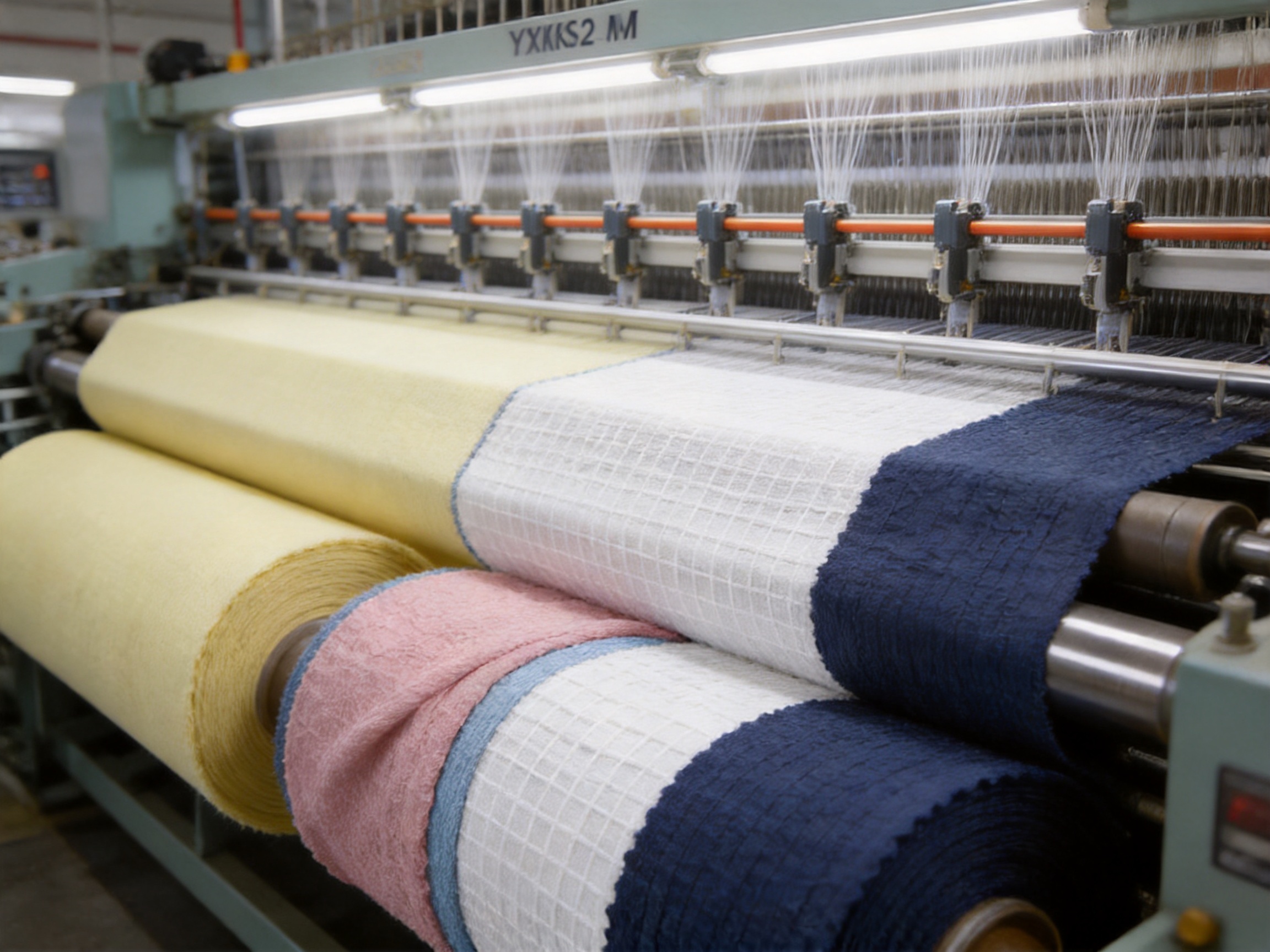
The YXKS2-M is designed for this application because it combines chemical fiber filament processing with full-width weft insertion. The resulting fabric structure can be developed around the requirements of the interlining customer. Depending on the selected yarn and process, manufacturers can work toward the desired balance of softness, stability, drape, weight and dimensional behavior.
Another advantage is the ability to configure the machine according to the planned product. Interlining producers may serve different garment segments, including lightweight apparel, structured clothing, uniforms and specialty fashion products. These segments can require different fabric constructions. A machine that supports adjustments in guide bar arrangement, weft insertion settings and process parameters can help the factory respond to a wider range of orders.
Reliable production is also important because interlining is often supplied as a component within a larger garment production schedule. Delayed deliveries or inconsistent rolls can interrupt coating, bonding and cutting lines. Stable machine operation, planned maintenance and responsive technical service therefore contribute to more than machine availability; they support the customer’s full production chain.
6. Advantages for Warp-Knitted Crepe Fabric
Crepe fabric is valued for its textured appearance, drape and distinctive surface character. The fabric’s final appearance is influenced by yarn selection, knitting structure, insertion, tension, relaxation and finishing. A machine used for crepe fabric must provide a controllable platform that allows the manufacturer to reproduce the intended structure across long production runs.
The YXKS2-M is presented with crepe fabric as a core specification example. Its full-width insertion system and broad working width can support the development of crepe constructions for apparel and decorative applications. The machine speed can be selected according to the required balance between output and fabric quality.
When evaluating a machine for crepe production, textile manufacturers should examine the stability of the fabric surface, consistency between rolls, ease of parameter adjustment and suitability for the chosen yarn. They should also consider how the fabric will behave during washing, dyeing, coating, heat setting or other finishing operations.
Because the machine is configured around the target construction, the customer can discuss fabric samples, yarn details and process objectives before finalizing the equipment. This reduces the risk of choosing a machine based only on general product labels.
7. Configuration According to Fabric and Workshop Requirements
The YXKS2-M is not limited to a single unchangeable configuration. Textile production conditions vary from one factory to another, and the same machine category may be used for different fabrics, yarn supplies and production targets. Configuration is therefore an important part of the purchase process.
Typical configuration decisions include the guide bar arrangement, pattern scope, weft insertion density, yarn path, beam size, creel arrangement and control-system parameters. The workshop layout and line interface must also be considered. These decisions affect the machine’s compatibility with the customer’s existing production flow.
Guide Bar and Pattern Considerations
Guide bar arrangement influences yarn movement and the formation of the selected fabric structure. The appropriate arrangement depends on the intended product, yarn type, construction and pattern requirements. A technical team should review fabric drawings or samples before confirming the scope.
Weft Insertion Settings
Weft insertion density affects fabric weight, structure and performance. It must be selected in combination with yarn count, fabric width, machine speed and finishing requirements. Incorrect density can result in a fabric that is too open, too heavy, unstable or unsuitable for the downstream process.
Beam and Creel Layout
Beam size and creel arrangement influence yarn supply, workshop space, preparation time and accessibility for operators. The layout should allow safe handling of beams, convenient inspection and efficient maintenance. It should also match the factory’s material flow.
Control and Line Integration
Control parameters should be aligned with the fabric construction and the customer’s operating practices. Where the machine is integrated into an existing line, the interface requirements should be identified in advance. This may include material transport, inspection, winding, coating or other downstream operations.
Layout and Appearance Customization
For projects with restricted workshop space, the machine layout may require specific planning. Colour and selected structural details can also be customized when the equipment must fit a particular production bay or factory identity. These items should be confirmed during the quotation and engineering stages.
8. Manufacturing Strengths and Engineering Capability
Changzhou Yuanyang Electromechanical Technology Co., Ltd. operates in Jiangsu, China, a major center of textile equipment manufacturing. The company integrates research and development, manufacturing, sales and service, with a focus on warp knitting equipment and related textile machinery.
The production base covers more than 12,000 square meters, with annual capacity of more than 200 sets and a team of over 50 skilled employees. This scale provides a manufacturing foundation for both standard equipment and customized textile machinery projects.
The company’s product range includes stitch-bonding machines, biaxial warp knitting machines, multiaxial warp knitting machines, carbon fiber multiaxial warp knitting machines, powder scattering machines and web laying machines. This broader product experience is useful when customers require more than one machine category or need to connect different processes within a textile production line.
Engineering development is supported by senior industry engineers who work on machine structure, guide bar motion and process stability. These areas are central to warp knitting performance. Structural rigidity affects vibration and running stability. Guide bar movement influences fabric formation. Process stability affects repeatability, machine efficiency and product quality.
The company also focuses on non-standard equipment configurations, complex fabric designs, difficult-to-process materials and production lines requiring long-term stability. This emphasis distinguishes a project-based engineering manufacturer from a supplier that only delivers fixed catalog equipment.
9. Manufacturing and Quality Control Process
Advanced textile equipment requires controlled manufacturing at every stage. A machine may contain precision mechanical parts, moving guide systems, drive components, control elements and yarn-handling assemblies. The interaction of these components must be checked through procurement, machining, assembly, testing and debugging.
Yuanyang follows a quality control process covering component procurement, machining, assembly, testing and debugging. Each machine is tested before dispatch. This sequence is important because many potential problems can be identified before the equipment reaches the customer’s factory.
Component Procurement
Component quality affects machine reliability and service life. Purchased parts must be evaluated for suitability, dimensional consistency and compatibility with the equipment design. Proper procurement also helps maintain consistency between different machine sets and supports spare-parts planning.
Precision Machining
Machined components influence alignment, movement accuracy and structural stability. During machining, attention to dimensions and surface condition helps ensure that parts can be assembled correctly and maintained over time. Precision machining is particularly important for assemblies that operate continuously at high speed.
Mechanical Assembly
Assembly brings together the frame, drive system, guide bar components, yarn path, insertion mechanisms and control-related equipment. Correct assembly sequence and inspection help reduce alignment problems and improve the machine’s operational condition before testing.
Testing and Debugging
Testing allows the production team to verify machine movement, control functions, mechanical operation and basic process performance. Debugging helps identify adjustments that may be required before shipment. For customized projects, testing can also be related to the customer’s fabric requirements and technical parameters.
Pre-Dispatch Verification
Before dispatch, the machine is checked as a complete unit. Documentation, selected accessories and project-specific requirements are reviewed. This preparation helps the installation team and customer receive equipment that is ready for site commissioning.
This manufacturing process is a major advantage when comparing suppliers. A machine should not be evaluated only by its product name or maximum speed. The supplier’s ability to control design, manufacturing, testing and service has a direct effect on the customer’s start-up experience and long-term production results.
10. Project Development from Samples to Final Inspection
For complex or non-standard projects, Yuanyang can work from drawings and fabric samples. This approach enables the engineering team to understand the intended construction before proposing the final configuration. It also gives the customer an opportunity to clarify product objectives, material specifications and production expectations.
A typical project process may include technical discussion, sample or drawing review, three-dimensional confirmation, quotation, trial production and final inspection. The exact sequence depends on the complexity of the machine and the customer’s requirements.
Three-dimensional confirmation can help the customer review layout, space requirements and structural relationships before manufacturing is completed. Trial production provides an opportunity to examine fabric formation and process settings. Final inspection verifies the agreed equipment condition before dispatch.
This project method can reduce uncertainty for customers who are developing a new fabric or integrating the machine into an existing production line. It is also useful when the required machine differs from a standard catalog configuration.
11. Installation, Commissioning and Training
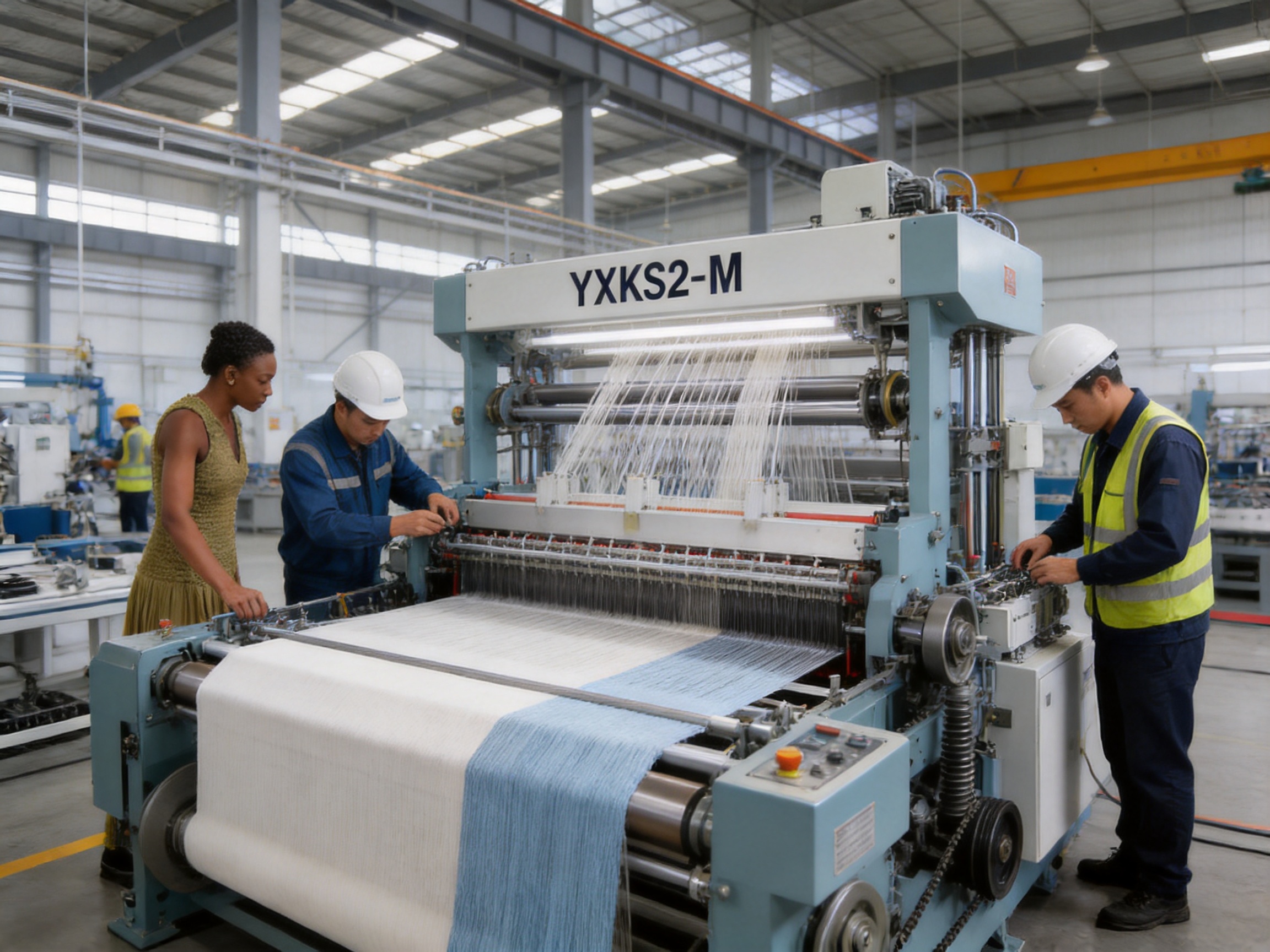
Equipment performance depends on correct installation and operator preparation. After delivery, Yuanyang’s engineers attend the customer’s factory for installation, commissioning and training until the machine reaches the agreed operating condition.
Installation includes positioning the machine, checking the workshop conditions, connecting relevant systems and verifying basic mechanical and control functions. Commissioning then focuses on machine operation and the selected production parameters. The actual sequence depends on the project scope and site readiness.
Training covers knitter operation, maintenance skills and workshop management. Operators learn how to start and stop the equipment, monitor the production process, identify abnormal conditions and make approved adjustments. Maintenance personnel learn inspection routines, lubrication requirements, common troubleshooting methods and spare-part procedures.
For customers that prefer more extensive preparation, one- to two-month training programs are available at the fabrication workshop. This option allows teams to gain practical familiarity before the machine arrives at the factory. It can be especially valuable for customers introducing warp knitting technology for the first time or installing several machines in a new production area.
Training should be treated as part of the equipment investment. A technically advanced machine cannot achieve its full value if operators do not understand fabric settings, maintenance requirements and safe operating procedures.
12. After-Sales Service and Long-Term Support
Textile machinery is a long-term production asset. Customers require support not only during installation but also throughout operation. Yuanyang provides technical assistance for production issues, spare parts support and long-term service through its after-sales system.
Effective after-sales support includes timely communication, clear problem identification and practical recommendations. When a production issue occurs, the service team may need information about yarn, fabric structure, machine settings, operating speed, maintenance history and the appearance of the defect. Accurate records help reduce troubleshooting time.
Spare-parts availability is also important. Wear parts and components associated with yarn movement, guide systems, drive assemblies and control functions should be managed as part of a maintenance plan. Customers can reduce downtime by identifying critical spare parts and maintaining appropriate stock levels.
Long-term service should also include support for process improvement. As the customer develops new fabrics or changes yarn suppliers, technical parameters may require adjustment. A supplier with knowledge of the original machine configuration can provide more useful guidance than a supplier with no project history.
13. Comparison with Alternative Supplier Approaches
When comparing the YXKS2-M with competing warp knitting machines, buyers should evaluate the complete production solution rather than isolated specifications. Different suppliers may offer machines with similar speed ranges or widths, but their engineering processes, configuration flexibility and service capabilities can differ considerably.
Fixed Configuration Versus Project Configuration
Some suppliers focus mainly on standard machines. This can be appropriate for simple, repeatable applications, but it may limit flexibility when the customer requires a special fabric construction, unusual layout or customized line interface. The YXKS2-M is positioned around project configuration, allowing the discussion to include guide bars, insertion density, beam arrangement, control settings and workshop conditions.
Maximum Speed Versus Effective Output
A high maximum speed does not automatically produce the best economic result. Effective output includes actual running time, fabric quality, waste, changeover duration, stoppages and maintenance. The YXKS2-M’s 20–1500 r/min range gives the customer the opportunity to select an appropriate operating point for the fabric rather than forcing every construction to run at one speed.
Machine Delivery Versus Complete Project Support
Some equipment purchases end when the machine is delivered. In contrast, a complete textile machinery project includes configuration, testing, installation, training, commissioning, documentation and after-sales service. Yuanyang’s manufacturing and service structure is intended to cover these stages.
Single Product Supply Versus Broader Textile Equipment Experience
Manufacturers with experience in several textile equipment categories may be better prepared to understand line integration and future expansion. Yuanyang’s portfolio includes stitch-bonding, biaxial, multiaxial, carbon fiber multiaxial and web-laying equipment. This broader background can support customers planning multiple processes or considering future production development.
14. Output Planning and Economic Efficiency
The YXKS2-M provides a daily output reference of 150 kg for crepe fabric. This figure is intended for planning only. Actual output may vary because of fabric weight, yarn count, insertion density, machine speed, fabric construction, quality requirements, shift pattern and stoppage time.
For a more accurate calculation, the customer should provide the target fabric construction, yarn specifications, required width, fabric weight and planned operating hours. The technical team can then estimate the expected production range and identify the conditions needed to achieve it.
Economic efficiency should also include the following factors:
Usable production speed for the selected fabric.
Machine availability and planned maintenance time.
Material utilization and edge waste.
Labor requirements and operator skill level.
Energy and auxiliary equipment consumption.
Fabric quality and customer acceptance rate.
Service response and spare-parts availability.
A machine with stable production and predictable quality can provide better economic efficiency than a machine with a higher theoretical output but frequent interruptions. For this reason, the YXKS2-M’s value should be assessed over the complete production cycle.
15. Information Required for a Technical Proposal
Customers can improve the accuracy of the configuration and quotation by preparing detailed project information. The following inputs are particularly useful:
Target fabric type and construction.
Fabric samples, technical drawings or pattern information.
Yarn type, count, filament details and supplier information.
Required working width and finished fabric width.
Target fabric weight per square meter or running meter.
Required production rate and shift pattern.
Workshop dimensions, floor conditions and access routes.
Power supply and utility conditions.
Downstream coating, bonding, inspection, slitting or winding requirements.
Expected delivery schedule and site-readiness date.
After receiving this information, the supplier can confirm the machine specification, guide bar arrangement, insertion parameters, auxiliary scope, control requirements and installation plan. The final proposal should clearly identify the equipment included, testing arrangements, documentation, training, delivery conditions and service responsibilities.
16. Recommended Operating and Maintenance Practices
Correct operating practice is essential for preserving fabric quality and machine reliability. Before production begins, operators should confirm yarn preparation, beam installation, yarn path, tension conditions, control parameters and fabric take-up settings.
During operation, the team should monitor fabric appearance, machine noise, vibration, yarn breaks, guide bar movement, temperature and stoppage frequency. Early attention to abnormal conditions can prevent small issues from becoming major defects or mechanical damage.
Routine maintenance should follow the supplier’s recommendations. This may include cleaning, lubrication, inspection of moving parts, tightening checks, replacement of wear components and verification of control-system functions. Maintenance records should identify the date, machine condition, work performed and parts replaced.
Production teams should also record fabric parameters and machine settings for each construction. A documented setting history makes future repeat orders easier and helps operators identify the source of quality changes.
17. Frequently Asked Questions
What materials can the YXKS2-M process?
The machine is designed primarily for chemical fibers and polyester filaments. The exact yarn suitability should be confirmed according to yarn count, filament characteristics, tension behavior and the intended fabric construction.
What products can be manufactured?
The main products are garment interlining and warp-knitted crepe fabric. The machine is suitable for apparel-related textile production where full-width weft insertion, fabric consistency and controlled surface formation are important.
What is the machine speed range?
The stated speed range is 20–1500 r/min. The recommended operating speed depends on yarn type, fabric construction, weft insertion density, fabric weight and the required quality level.
What is the working width?
The working width is 247 inches. The effective finished width may vary according to edge treatment, trimming requirements and downstream processing conditions.
What is the daily output?
A reference output of approximately 150 kg per day is provided for crepe fabric. This is not a universal production guarantee. Actual output depends on fabric construction, yarn, machine speed, shift pattern, quality requirements and process efficiency.
Can the machine be customized?
Yes. Configuration may include guide bar arrangement, pattern scope, weft insertion density, yarn path, beam size, creel arrangement, control parameters, machine layout and selected appearance details. Customization should be confirmed through fabric samples, drawings and workshop information.
Is the machine suitable for a new textile factory?
It can be suitable for a new factory when the project includes appropriate workshop planning, utilities, operator training, downstream equipment and technical preparation. The customer should provide site information so the installation and configuration requirements can be reviewed in advance.
Does the supplier provide installation?
Yes. Engineers attend the customer’s factory for installation, commissioning and operator training until the machine reaches the agreed operating condition.
What training is available?
Training covers machine operation, maintenance skills and workshop management. One- to two-month practical training programs are also available at the fabrication workshop for customers that require additional preparation.
How should buyers compare this machine with competing models?
Buyers should compare effective production speed, working width, fabric quality, configuration flexibility, testing procedures, installation support, operator training, spare-parts service and total operating cost. Maximum speed alone is not enough to determine the best machine.
How can a customer request a quotation?
The customer should provide the target fabric construction, sample or drawing, yarn details, required width, fabric weight, production target, workshop conditions, utility information, downstream process and delivery schedule. These details allow the supplier to prepare a more accurate technical proposal.
18. Conclusion
The YXKS2-M Biaxial Warp Knitting Machine is designed for chemical fiber and polyester filament production, with particular emphasis on garment interlining and warp-knitted crepe fabric. Its Tricot-type operating concept, full-width weft insertion, 20–1500 r/min speed range and 247-inch working width provide a strong foundation for industrial textile manufacturing.
Its principal advantages are not limited to speed or machine width. The equipment is configured around the customer’s fabric, yarn, production target and workshop conditions. This approach can provide greater flexibility than a fixed machine configuration and helps manufacturers develop products for different apparel and textile requirements.
The company’s manufacturing strengths include research and development, precision production, assembly, testing, debugging and project-based engineering. Its production base, skilled technical team and wider textile machinery portfolio support customers that require customized equipment or integrated textile solutions.
For manufacturers comparing warp knitting machinery suppliers, the most important question is whether the complete equipment project can deliver stable, repeatable and economically useful production. The YXKS2-M is intended to meet that requirement through a combination of full-width fabric formation, practical high-speed operation, configuration flexibility, quality control, installation support, training and long-term service.
References
1. Product technical information for the YXKS2-M Biaxial Warp Knitting Machine, including speed, working width, applicable fibers and output reference.
2. Company manufacturing and service information for Changzhou Yuanyang Electromechanical Technology Co., Ltd.
3. Technical project requirements for chemical fiber filament, garment interlining and warp-knitted crepe fabric production.
4. General principles of warp knitting machine configuration, yarn handling, guide bar movement and full-width weft insertion.
5. General textile machinery maintenance and production-planning practices for continuous warp knitting operations.
Product: YXKS2-M Biaxial Warp Knitting Machine

News
-
Three quotations land on the same desk for the same polyester nonwoven line, and on paper they look interchangeable. Each is priced per metre of working width. Each quotes a similar top speed. Each c...
READ MORE -
Two quotations land on the same desk. Both offer a multiaxial warp knitting line, both list the same working width, both promise high output. One buyer signs and discovers six months later that the f...
READ MORE -
Match the machine type to the fabric: choose a tricot Warp Knitting Machine for fine, smooth fabrics such as lining and sportswear, a raschel machine for open, patterned, and technical fabrics, a doub...
READ MORE -
Which Machine Category Matches Each Technical Fiber and Fabric Goal A warp knitting machine is the primary production platform for technical fiber textiles across fiberglass, chemical fiber, and carbo...
READ MORE
-
Contact Info.
+86-198 5534 1617
+86-134 0158 3002yuanyang@yywarpknitting.com 699#, Shengzhi West Rd, Lvcheng Town, Danyang City, Zhenjiang City, Jiangsu Province, China

-
QR Code
-
Quick Links
Home About Products Manufacturing Customization News Contact -
Product List
Machine for Chemical Fiber Textile Machine for Fiberglass Textile Machine for Carbon Fiber Textile -
About Us
Company Profile Factory Gallery Value-added Service
Copyright © 2026 Changzhou Yuanyang Electromechanical Technology Co., Ltd. All Rights Reserved.
Custom Warp Knitting Machine Manufacturers
