

 English
 中文简体
 русский
 Français
 Español
 Deutsch

High-Performance Terry Warp Knitting Machine for Disposable Loop-Pile Textiles
2026-10-13
Content
- 1 1. The Role of Terry Warp Knitting in Disposable Textile Production
- 2 2. Product Construction and Working Principle
- 3 3. Main Technical Characteristics
- 4 4. Advantages Compared with General-Purpose Alternatives
- 5 5. Applications and Product Development
- 6 6. Manufacturing Strengths Behind the Machine
- 7 7. Production Process from Yarn to Finished Fabric
- 8 8. Efficiency, Cost, and Total Ownership Value
- 9 9. Installation, Training, and Service Considerations
- 10 10. Quality Management for Terry Fabrics
- 11 11. Sustainability and Responsible Use of Disposable Textiles
- 12 12. Selecting the Machine for a Production Project
- 13 13. Why the YRS2-P Is a Focused Competitive Choice
- 14 14. Frequently Asked Questions
- 14.1 Q1: What products can the YRS2-P produce?
- 14.2 Q2: Which fibers are applicable?
- 14.3 Q3: How does the machine form the terry loops?
- 14.4 Q4: What is the machine speed?
- 14.5 Q5: What is the maximum working width?
- 14.6 Q6: What is the expected daily output?
- 14.7 Q7: Is the machine suitable for high-volume production?
- 14.8 Q8: What are the advantages of a single-sided loop-pile fabric?
- 14.9 Q9: Can the machine support different product specifications?
- 14.10 Q10: What should be checked before purchasing?
- 14.11 Q11: Does the machine itself guarantee hygienic finished products?
- 14.12 Q12: Why is manufacturing experience important for this type of equipment?
- 15 15. Conclusion
- 16 References
- 17 Product: YRS2-P Terry Warp Knitting Machine
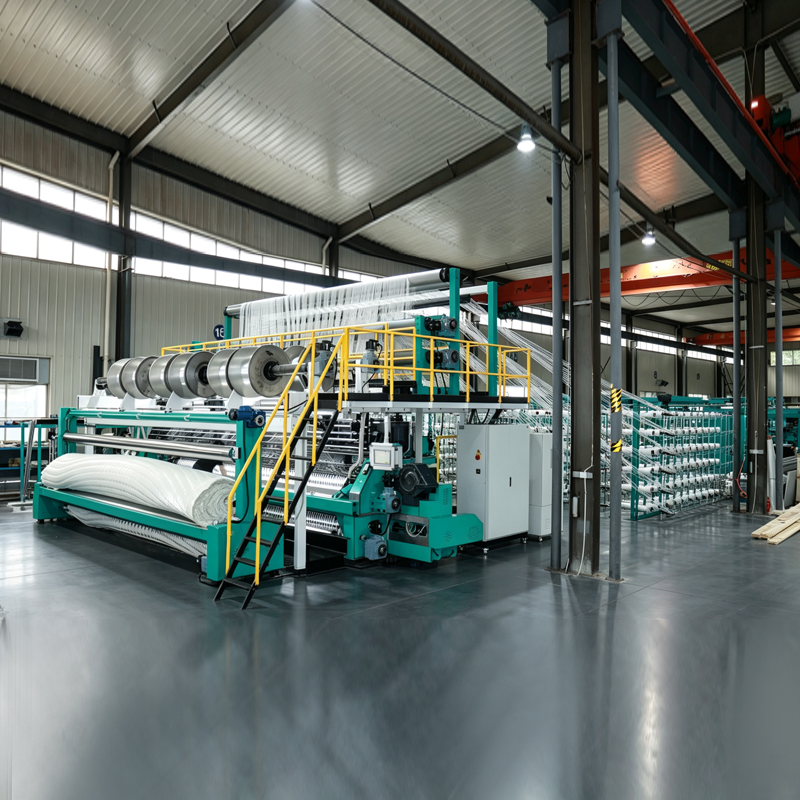
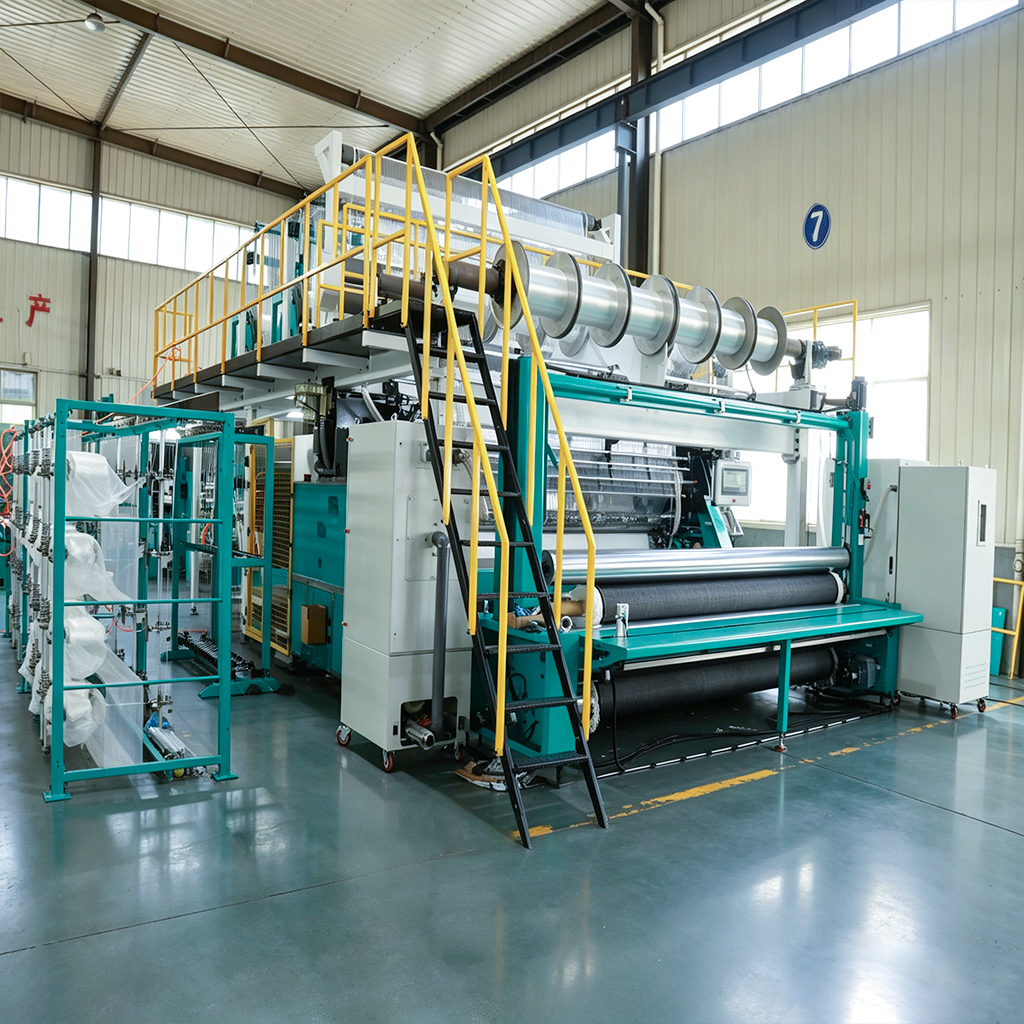
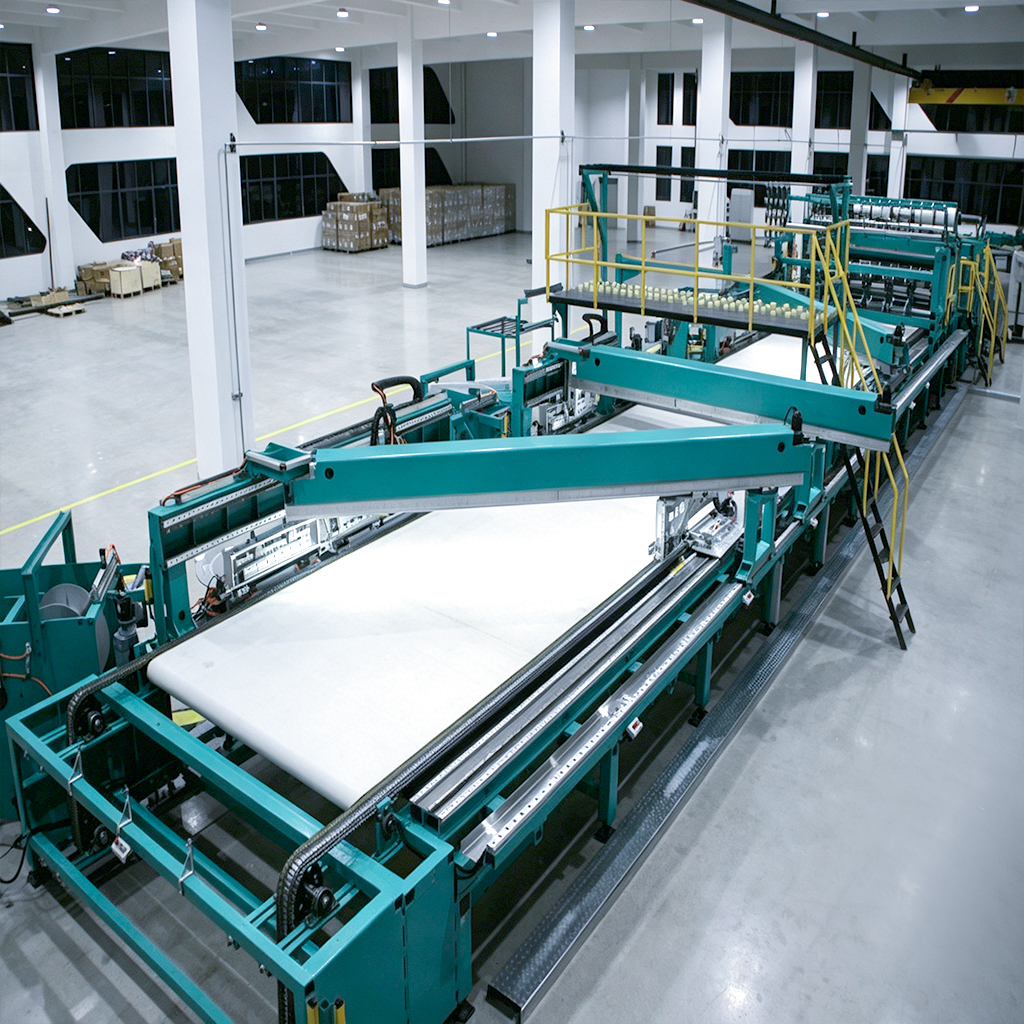
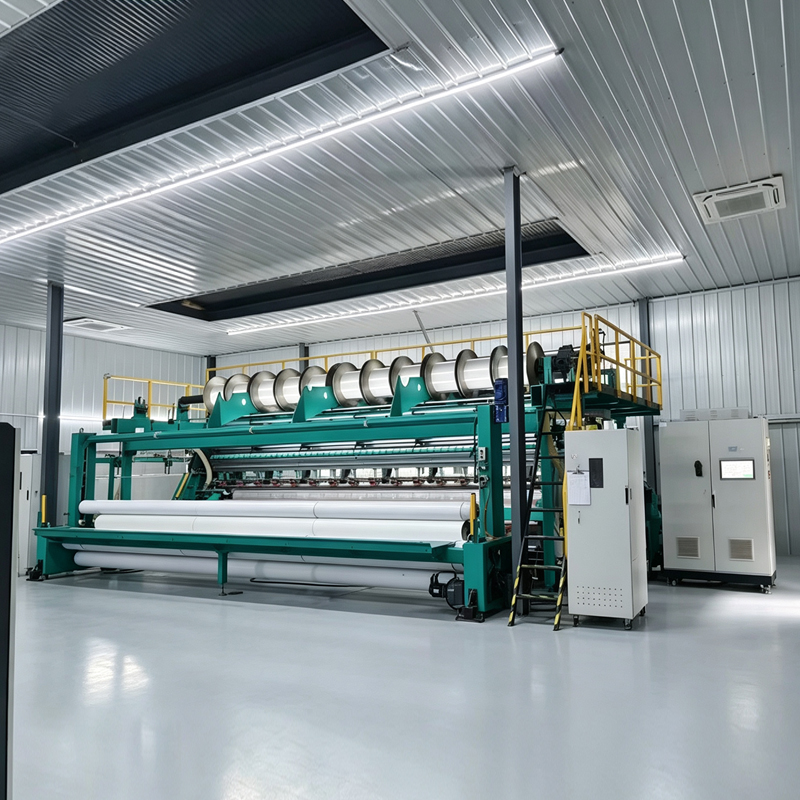
The YRS2-P Terry Warp Knitting Machine is designed for manufacturers producing single-sided loop-pile fabrics for disposable cleaning products, disposable mop pads, hygienic wiping materials, and related rapid-cleaning applications. By combining dual guide bar division of functions with sinker-assisted loop formation, the machine provides a practical production solution for fabrics that require a compact base structure, consistent loop height, dependable running performance, and efficient high-volume manufacturing.
Demand for disposable textile products continues to grow in hotels, households, commercial facilities, healthcare-related environments, and professional cleaning services. Users increasingly expect cleaning materials to be convenient, hygienic, easy to transport, and ready for immediate use without washing. For producers, this demand creates a need for specialized knitting machinery capable of manufacturing stable, uniform, and economical loop-pile fabrics at industrial production speeds.
The YRS2-P addresses this requirement with a machine configuration focused on single-sided terry effects. It is suitable for bamboo fiber and chemical fibers and can be adapted to the construction requirements of disposable mop pads, cleaning cloths, and other looped textile products. Its operating speed of 50 to 800 revolutions per minute, working width of up to 3,400 millimeters, and reference daily output of approximately 4,000 square meters make it suitable for both specialized producers and larger textile manufacturing operations.
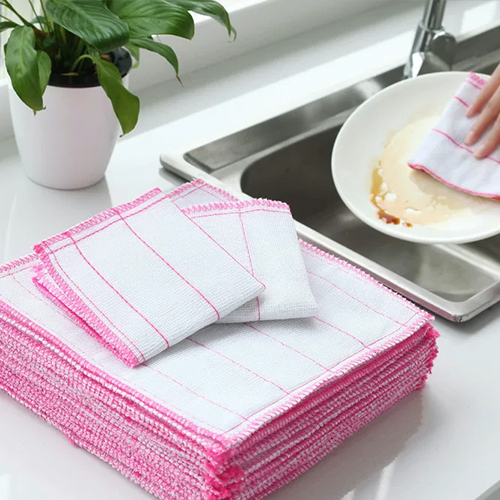
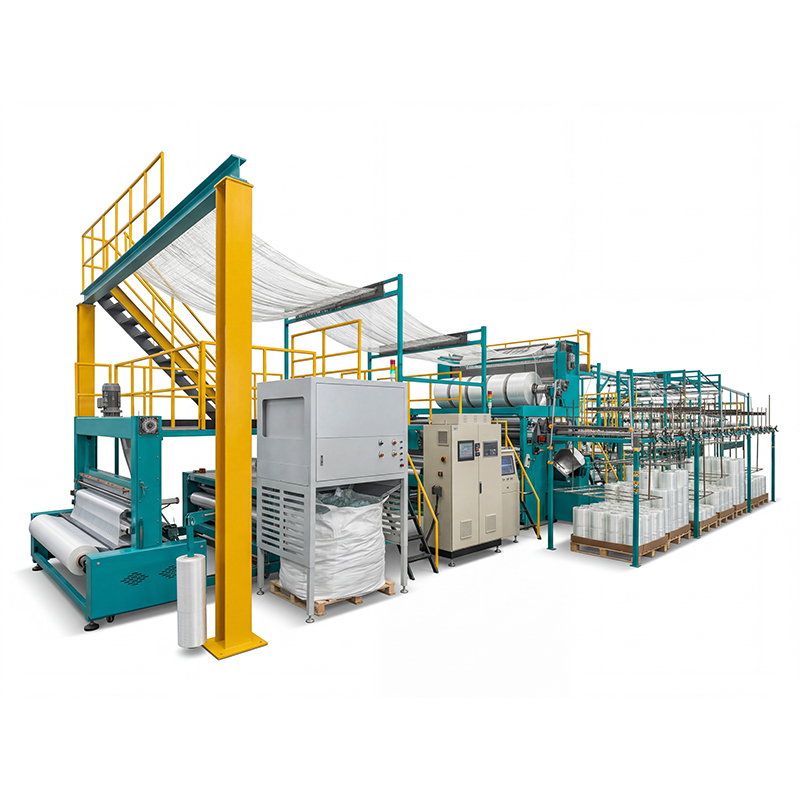
YRS2-P Terry Warp Knitting Machine
1. The Role of Terry Warp Knitting in Disposable Textile Production
Terry warp knitting is a specialized textile-forming process that creates loop structures on one side of a fabric while maintaining an organized knitted base. Compared with a flat knitted surface, a loop-pile surface can provide improved wiping action, greater contact area, and a softer working face. These characteristics are especially valuable in disposable cleaning products, where the textile must collect dust, moisture, oil, or light surface contamination effectively during a short period of use.
In disposable mop pads, the looped surface can improve contact between the pad and the floor. In cleaning cloths, loops can help create a textured working surface capable of holding moisture and capturing loose particles. The exact performance depends on fiber type, yarn specification, fabric construction, loop density, finishing treatment, and product design, but the knitting machine establishes the essential structure from which these properties are developed.
Warp knitting is particularly well suited to continuous production because many yarns are supplied to the knitting zone simultaneously. This allows manufacturers to produce wide fabric rolls with stable longitudinal organization and high output. For disposable products, continuous roll production is important because it supports subsequent processes such as inspection, slitting, cutting, folding, lamination, edge treatment, packaging, or attachment to other pad components.
The challenge is that loop formation must remain consistent throughout the fabric width and along the entire production run. Irregular loop height, incomplete loop formation, yarn breakage, uneven tension, or poor synchronization between knitting elements may result in a product that performs inconsistently. The YRS2-P is designed around coordinated loop formation so that manufacturers can pursue a more uniform product appearance and more predictable processing behavior.
2. Product Construction and Working Principle
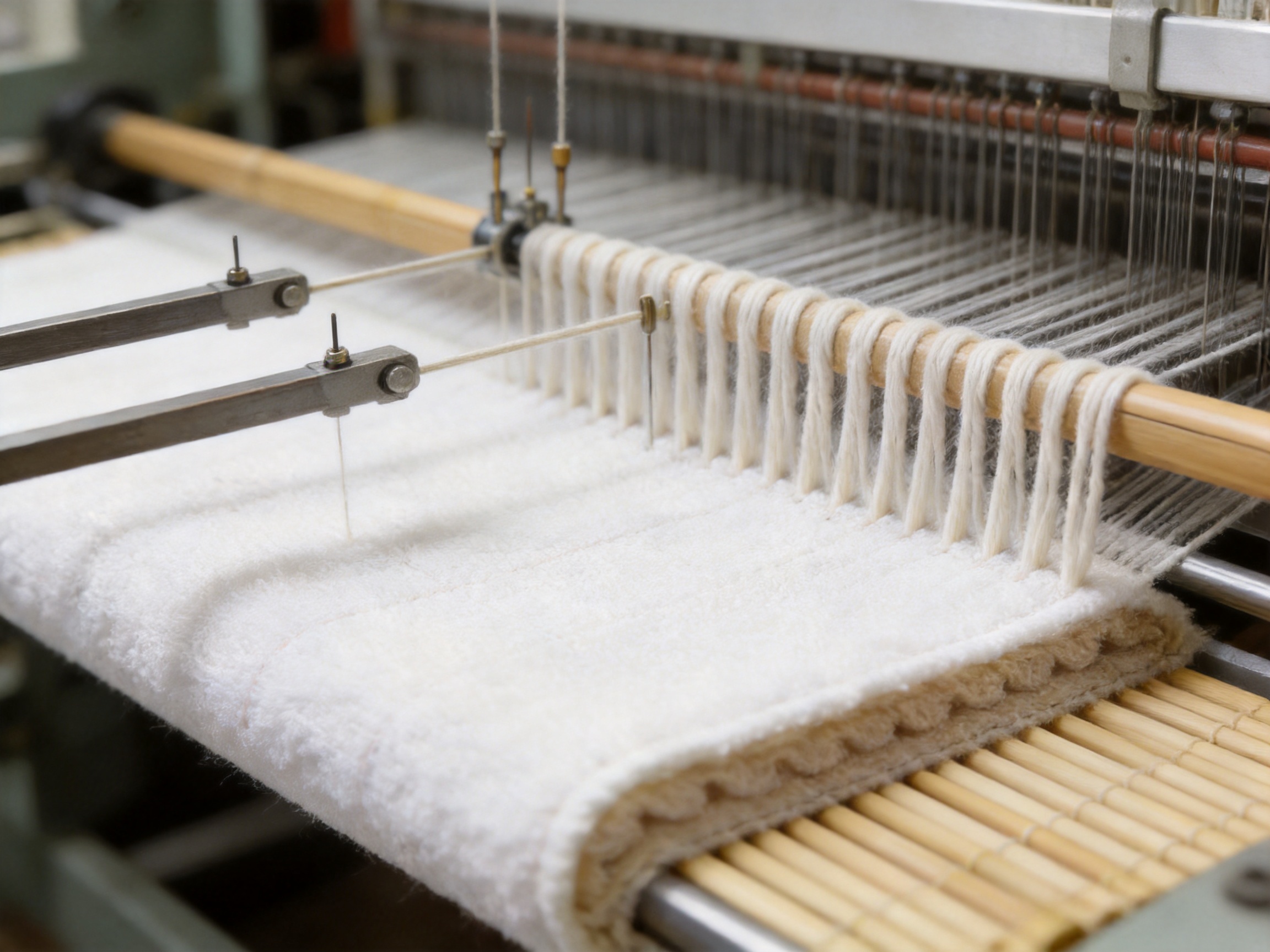
The YRS2-P uses two guide bars whose functions are divided according to the fabric construction. In a warp knitting machine, guide bars control how yarns are lapped around the needles and other forming elements. By assigning different structural responsibilities to the guide bars, the machine can organize the base fabric and the loop-forming effect in a controlled manner.
The dual guide bar arrangement is important because a terry fabric generally requires more than a simple flat knitted surface. One group of yarns contributes to the stable foundation, while the other contributes to the loop effect or participates in the arrangement needed to produce the desired terry appearance. Separating these functions can make the knitting process more adaptable to product requirements and can support more precise control of the resulting fabric structure.
Sinker-assisted loop formation provides an additional mechanism for forming and supporting loops. Sinker movement helps control yarn positioning during the knitting cycle and contributes to the development of a consistent pile effect. When the guide bar movements, needle actions, sinker movements, yarn tension, and take-up system operate in coordination, the machine can produce a compact base with an orderly and uniform loop surface.
The design is intended for single-sided loop-pile fabrics. This means that the principal loop effect is formed on one side of the material rather than on both sides. Such a construction is useful when the product needs a functional wiping or mopping face while maintaining a comparatively organized reverse side for attachment, handling, or further conversion.
Manufacturers can select fiber combinations and process settings according to the intended end use. Bamboo fiber may be considered when a soft hand feel and natural-fiber positioning are important. Chemical fibers may be selected when producers require specific strength, dimensional stability, drying behavior, abrasion resistance, or cost characteristics. Actual results depend on yarn quality, fiber fineness, knitting parameters, and finishing conditions, so production trials remain important before final commercialization.
2.1 Compact Fabric Structure
A compact structure helps the fabric maintain its form during handling and conversion. Disposable cleaning products are often subjected to winding, unwinding, cutting, folding, packaging, transport, and repeated contact with surfaces during use. A well-organized base fabric can help reduce excessive distortion and can provide a more stable foundation for the loop-forming face.
Compactness should not be understood as a single fixed value. It is influenced by stitch density, yarn linear density, loop dimensions, machine settings, take-up conditions, and finishing. The value of the YRS2-P lies in its ability to provide a controlled platform on which these parameters can be developed for different products.
2.2 Uniform Loop Formation
Uniform loops are central to the appearance and working performance of terry cleaning fabrics. If the loops vary significantly in height or density, the finished cloth may show visible streaks, uneven wiping behavior, or inconsistent absorbency. Uniform formation also benefits downstream processing because a stable fabric thickness is generally easier to cut, fold, stack, and package.
The YRS2-P combines guide bar function division with sinker-assisted formation to support consistency. High precision and coordination performance are listed among its principal advantages. These qualities are especially relevant when the machine is operated for long production cycles, when small variations can accumulate across a large roll of fabric.
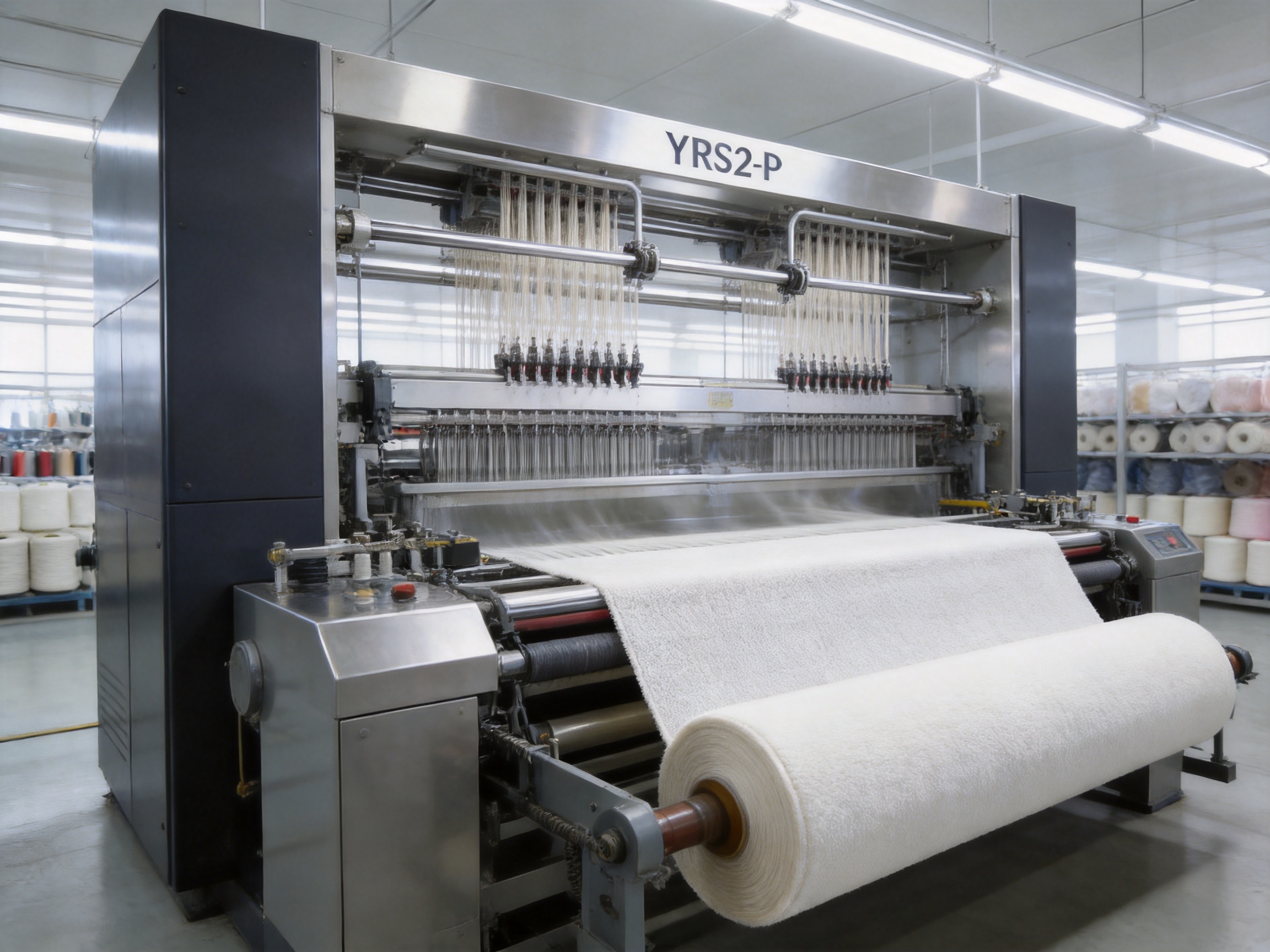
3. Main Technical Characteristics
The machine is specified with a speed range of 50 to 800 revolutions per minute. The broad range allows operators to select a suitable production speed according to fabric construction, yarn characteristics, loop requirements, machine condition, and process stability. Maximum speed is not always the only indicator of productivity. A balanced operating point that maintains fabric quality, minimizes stoppages, and supports reliable downstream conversion may provide better overall production efficiency than simply running at the highest possible setting.
The maximum listed working width is 3,400 millimeters, equivalent to approximately 134 inches. A wide working width allows manufacturers to produce substantial fabric rolls and may improve material utilization when the finished goods are converted into multiple narrow products. It can also support different layout strategies for mop pads and cleaning cloths, depending on product dimensions and cutting plans.
The reference daily output is approximately 4,000 square meters. This figure is provided for reference only. Actual production depends on the fabric construction, operating speed, machine utilization, yarn type, process settings, changeover frequency, inspection requirements, maintenance conditions, and the amount of downtime. Manufacturers should evaluate output using their own target fabric specifications rather than relying on a nominal figure alone.
| Technical Item | Reference Specification | Production Significance |
|---|---|---|
| Machine type | Terry warp knitting machine | Designed for single-sided loop-pile fabrics |
| Guide bar configuration | Dual guide bar division of functions | Separates structural and loop-forming responsibilities |
| Loop-forming method | Sinker-assisted loop formation | Supports controlled and uniform loop development |
| Applicable fibers | Bamboo fiber and chemical fibers | Provides flexibility for different product positioning and performance needs |
| Machine speed | 50–800 r/min | Allows adjustment for different fabrics and operating conditions |
| Working width | Up to 3,400 mm, approximately 134 inches | Supports wide fabric production and multi-lane conversion |
| Reference daily output | Approximately 4,000 m² | Useful for preliminary capacity planning; actual output varies |
| Typical products | Disposable mop pads and cleaning cloths | Suitable for household and commercial rapid-cleaning applications |
4. Advantages Compared with General-Purpose Alternatives
A general-purpose warp knitting machine may produce a range of flat or textured structures, but a machine optimized for terry loop formation offers a more focused solution when the target product depends on a stable single-sided pile effect. Producers using a general platform may need additional modifications, complex parameter adjustments, or repeated experimentation to achieve the required loop structure. A dedicated terry configuration can reduce the distance between machine capability and finished-product requirements.
4.1 Purpose-Built Loop-Pile Capability
The principal advantage of the YRS2-P is its direct focus on single-sided loop-pile fabrics. The machine is not presented as a universal solution for every warp-knitted structure. Instead, it is developed for a defined product family in which loop formation is the primary performance objective. This focused design can simplify technical decision-making for manufacturers whose main products are disposable mop pads, disposable cleaning cloths, or similar materials.
4.2 Coordinated Forming System
Terry knitting requires close coordination among guide bars, needles, sinkers, yarn delivery, take-up, and fabric winding. The division of guide bar functions and sinker-assisted formation provides a coordinated process framework. Compared with equipment that relies on less specialized forming arrangements, this approach is intended to support better control over loop structure and fabric compactness.
4.3 High-Speed Production Potential
The stated operating range reaches 800 revolutions per minute, giving the machine high-speed production potential when the selected yarn and fabric construction permit such operation. High speed can improve output per machine position and help manufacturers respond to large orders. However, responsible production planning must balance speed with quality. The strongest competitive advantage is not merely a high numerical speed but the ability to maintain stable fabric quality at an economically useful operating point.
4.4 Wide Fabric Formation
A working width of 3,400 millimeters enables manufacturers to produce broad fabric rolls. Wide-width production can be beneficial when the final products are narrow pads or cloths because multiple pieces may be arranged across the fabric width. This can reduce unused edge material and support efficient cutting layouts. The actual benefit depends on product dimensions, edge trimming requirements, roll handling, and the configuration of downstream equipment.
4.5 Product Convenience and Hygiene
The finished disposable products are portable, hygienic, and designed to require no washing. These characteristics are valuable in applications where users want to complete rapid cleaning and then dispose of the used textile. Hotels, households, offices, retail spaces, and service providers may all benefit from products that can be stored, transported, issued, and replaced conveniently.
It is important to distinguish between the hygiene benefits of a disposable product concept and any regulatory or medical claim. The machine produces textile material; hygiene performance in actual use depends on fiber selection, manufacturing cleanliness, product packaging, storage, intended application, and compliance with applicable requirements. Nevertheless, the machine supports a product category in which single-use convenience is a major commercial advantage.
4.6 Flexibility in Fiber Selection
The ability to process bamboo fiber and chemical fibers gives manufacturers room to develop different product lines. Bamboo-based products may be positioned around softness, natural-fiber content, or a particular consumer preference. Chemical-fiber products may be designed for strength, resilience, fast drying, cost control, or specialized surface behavior. A producer can therefore use the same machine platform as a basis for multiple product concepts, subject to appropriate yarn and process trials.
5. Applications and Product Development
5.1 Disposable Mop Pads
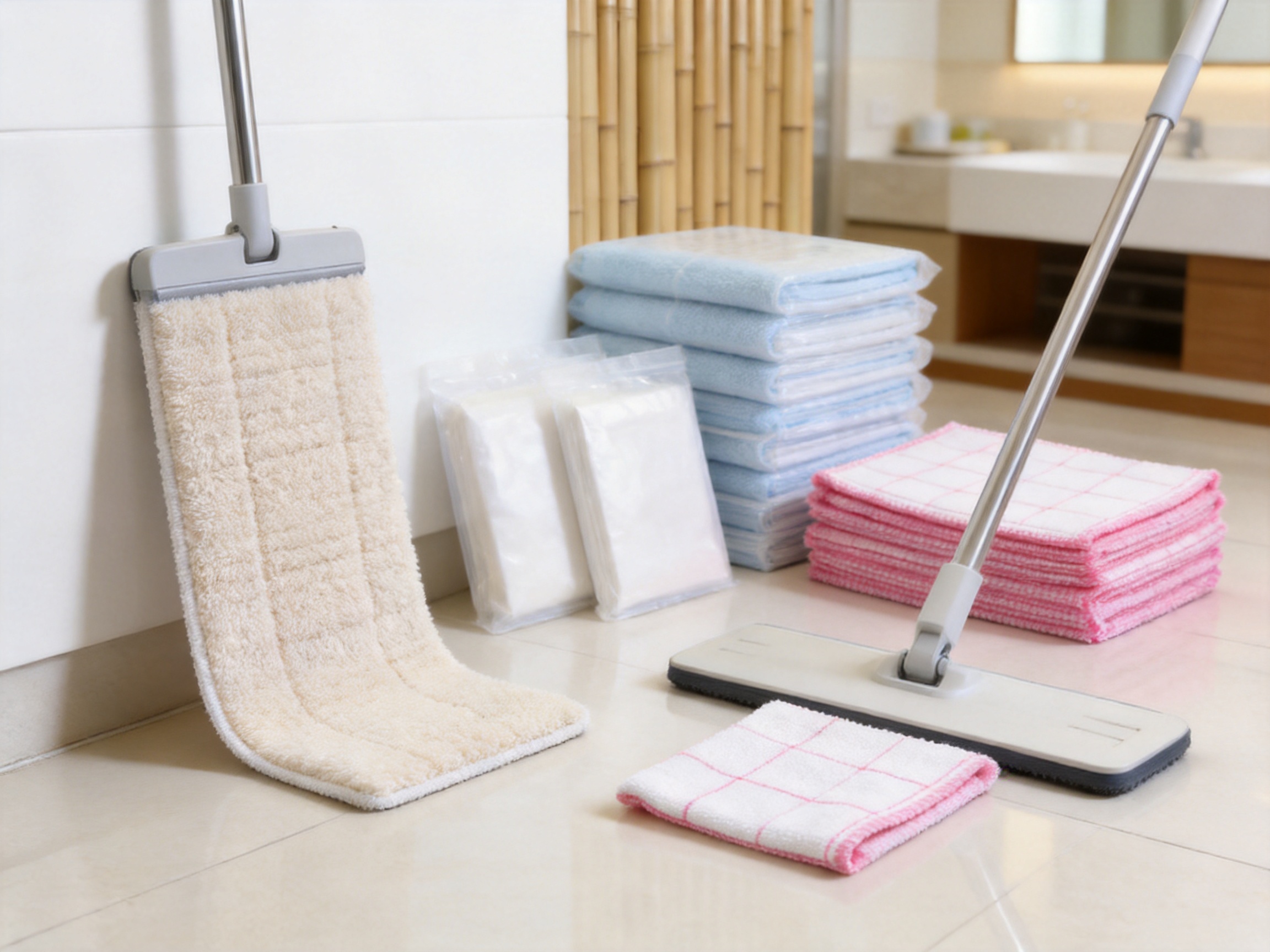
Disposable mop pads are among the primary applications for this machine. A pad typically requires a working face that can contact a floor surface effectively, collect loose dirt or moisture, and remain attached to a mop holder during use. The looped face produced by the YRS2-P can be developed for different levels of softness, texture, density, and wiping action.
Product developers may vary yarn type, loop height, loop density, fabric weight, and finishing treatment to target dry dusting, damp cleaning, or general surface maintenance. The reverse side may be designed for attachment to a holder or for integration with another layer. The machine produces the textile substrate, while the final pad design may include cutting, folding, elastic components, adhesive zones, hook-and-loop elements, or other conversion features.
5.2 Disposable Cleaning Cloths
Disposable cleaning cloths can be used in kitchens, hotel rooms, offices, retail environments, workshops, and household cleaning routines. A terry loop structure can offer a textured face that is suitable for wiping surfaces. Depending on the selected fiber and finishing process, the fabric may be converted into dry cloths, pre-moistened products, or cloths supplied with a separate cleaning solution.
Manufacturers can also use different fabric weights and widths for different market segments. Lightweight cloths may be intended for quick, short-duration tasks, while heavier structures may be used where greater liquid holding or durability is required. Since the machine supports continuous wide-width production, producers can plan several product sizes from one master roll when the fabric construction is appropriate.
5.3 Hospitality and Rapid-Cleaning Operations
Hotels and other hospitality businesses often require cleaning materials that can be distributed quickly and replaced frequently. Disposable textiles can simplify inventory control by allowing unused products to remain packaged until needed. After use, the product can be discarded rather than collected, washed, dried, inspected, and returned to service.
The same concept can be applied to household rapid cleaning. Consumers may prefer ready-to-use products for kitchens, bathrooms, floors, travel, or temporary accommodation. The YRS2-P helps manufacturers serve this market by producing the looped textile component in a continuous industrial process.
6. Manufacturing Strengths Behind the Machine
Changzhou Yuanyang Electromechanical Technology Co., Ltd. is located in Jiangsu, a major center of China’s textile equipment industry. The company integrates research and development, manufacturing, sales, and service, with a focus on warp knitting equipment and related textile machinery. This combination is important because specialized machines often require close interaction among mechanical design, textile process knowledge, manufacturing control, commissioning, and after-sales support.
The company’s product scope includes stitch-bonding machines, biaxial warp knitting machines, multiaxial warp knitting machines, carbon fiber multiaxial warp knitting machines, powder scattering machines, and web laying machines. This broader portfolio indicates experience across several textile reinforcement and web-forming technologies. Such experience can contribute to a more complete understanding of yarn handling, web management, structural stability, and production-line integration.
6.1 Research and Development Orientation
The company maintains a professional research and development team composed of experienced industry engineers. Its stated development focus includes improving machine performance and structural design so that equipment can keep pace with advanced industry standards. For a terry warp knitting machine, research and development are relevant not only to individual components but also to the interaction of the full forming system.
Mechanical movements must be accurately coordinated. Guide bars, sinkers, needles, yarn delivery, fabric take-up, and winding must work as a synchronized production unit. A change in one area may affect loop formation, tension, fabric density, or machine loading. An engineering team with knowledge of warp knitting can evaluate these relationships more effectively than a supplier focused only on general mechanical equipment.
6.2 Customized Equipment Capability
The company focuses on non-standard equipment configurations, complex fabric designs, difficult-to-process materials, and production lines requiring long-term stability. This capability is valuable for manufacturers whose products do not fit a single standard specification. Disposable textile producers may need different working widths, yarn packages, fabric weights, loop effects, edge treatments, or downstream connections depending on their markets.
Customization should be approached through a technical process rather than through assumptions. The buyer and equipment manufacturer need to define the target fabric, yarn type, required output, product dimensions, quality criteria, available workshop conditions, and downstream operations. Samples and trials can then be used to confirm the suitability of the proposed configuration.
6.3 Quality Control and Manufacturing Discipline
Reliable textile machinery depends on consistent manufacturing practices. Precision components must be produced and assembled within appropriate tolerances, moving mechanisms must be aligned, and control systems must function predictably. Manufacturing discipline is particularly important in high-speed equipment because small alignment or balance problems may become more visible as operating speed increases.
The company emphasizes rigorous manufacturing processes and quality control. In practical terms, buyers should evaluate how these principles are applied through component inspection, assembly procedures, machine testing, trial production, documentation, and service support. A machine’s value is determined not only by its design concept but also by the consistency with which the design is realized in the finished equipment.
6.4 Long-Term Stability
Textile producers generally require machines that can operate for extended periods with manageable maintenance and predictable quality. Long-term stability affects labor planning, delivery schedules, material consumption, spare-parts management, and customer satisfaction. Equipment designed for continuous production should be evaluated according to its ability to maintain synchronized movement, stable yarn handling, and repeatable fabric formation over time.
The company’s stated focus on production lines requiring long-term stability aligns with the needs of disposable textile manufacturers. Although operating results always depend on installation, maintenance, yarn quality, operator skill, and process conditions, a machine supplier that recognizes stability as a design objective is better positioned to support industrial users.
7. Production Process from Yarn to Finished Fabric
The performance of the YRS2-P depends on the complete production process rather than on the machine alone. A typical workflow begins with yarn preparation. Yarn packages should be selected and conditioned according to the fiber type, linear density, strength, elongation, friction characteristics, and intended fabric construction. Clean, consistent yarn helps reduce breakage and supports uniform loop development.
During machine preparation, yarns are arranged according to the guide bar functions and threaded through the designated yarn paths. The operator checks yarn tension, guide alignment, needle condition, sinker condition, take-up settings, and fabric winding. A careful setup is essential because the terry effect depends on the relationship between the base-forming yarns and the loop-forming yarns.
The machine is then started at a controlled speed. Initial fabric is inspected for loop height, stitch formation, width, surface appearance, edge condition, and any signs of yarn damage. Operators may adjust process parameters after examining the initial production. Once the fabric reaches the required condition, the machine can be brought toward the selected working speed.
In-process inspection should continue throughout production. Important checks may include fabric weight, width, visual uniformity, loop consistency, holes, dropped stitches, contamination, edge stability, and roll hardness. The exact quality-control plan should be determined by the final application and customer requirements.
After knitting, the fabric may undergo finishing or conversion. Depending on the product, it may be calendered, washed, dried, treated, laminated, coated, slit, cut, folded, or packaged. Disposable products may also require assembly with backing materials, attachment systems, or moisture-containing formulations. The knitted fabric must therefore be evaluated not only immediately after production but also after the intended conversion steps.
7.1 Yarn Preparation
Yarn preparation affects every later stage. Variations in yarn tension, package unwinding, moisture content, or surface friction can create differences across the fabric width. Bamboo fiber and chemical fibers may behave differently during feeding and knitting, so process settings should be verified through production trials rather than copied without evaluation from one fiber type to another.
7.2 Machine Setup
Machine setup should begin with a defined fabric specification. The operator should know the target width, weight, loop appearance, product use, and expected conversion method. Guide bar threading, sinker and needle inspection, take-up conditions, and yarn delivery should then be checked systematically. Written setup records can improve repeatability between production lots.
7.3 Process Monitoring
Monitoring is particularly important at high speed. Operators should watch for unusual sound, vibration, rising temperature, yarn accumulation, tension changes, or repeated defects. Early identification of a problem can prevent a small mechanical or yarn issue from becoming a large quantity of nonconforming fabric.
7.4 Roll Handling
Wide knitted fabric must be wound and handled carefully. Excessive roll hardness, telescoping, uneven edges, or poor storage conditions can complicate later cutting and conversion. The winding system should be matched to the fabric construction, and rolls should be labeled with production information so that quality records remain traceable.
8. Efficiency, Cost, and Total Ownership Value
Purchasing a warp knitting machine should involve more than comparing the initial equipment price. Total ownership value includes output, fabric quality, energy use, yarn waste, maintenance, spare parts, labor requirements, downtime, product changeover, and technical support. A machine with a suitable terry configuration may offer value by reducing the need for extensive adaptation and by supporting a more direct route to commercial production.
High production speed can increase output, but only when the machine is supplied with suitable yarn and maintained correctly. Unplanned stoppages can reduce the advantage of high nominal speed. For this reason, stable operation and accessible service support are important complements to the specified speed range.
Wide working width may improve the economics of products that can be arranged in multiple lanes. Manufacturers should calculate material utilization using actual product dimensions, trim allowances, packaging requirements, and expected defect rates. The best layout may differ between a mop pad, a small cleaning cloth, and a larger institutional wipe.
Waste reduction also depends on fabric consistency. Uniform fabric can reduce rejected rolls and simplify downstream cutting. Consistent loop formation may help produce more predictable finished products, which can reduce claims and improve customer confidence. These benefits should be measured through actual production data after installation.
9. Installation, Training, and Service Considerations
Successful installation begins with workshop preparation. The manufacturer should confirm floor space, machine access, power supply, environmental conditions, yarn storage, ventilation, lighting, and downstream material flow. Wide equipment also requires careful planning for roll removal, transport within the facility, and safe operator access.
Operators should be trained in threading, startup, speed adjustment, fabric inspection, fault identification, cleaning, lubrication where applicable, and safe shutdown. Maintenance personnel should understand the inspection points for needles, sinkers, guide bars, yarn paths, drive components, sensors, and take-up mechanisms. Training should include both normal operation and response to common production abnormalities.
Technical documentation is another important part of machine value. Manuals, spare-parts lists, electrical information, recommended maintenance schedules, setup records, and troubleshooting guidance can make daily operation more efficient. When the equipment is installed in an overseas facility, clear communication and remote technical support become especially important.
The company provides sales and service as part of its integrated business structure. Buyers should discuss commissioning arrangements, sample development, acceptance criteria, warranty coverage, spare-parts availability, response procedures, and long-term technical support before finalizing a purchase. These discussions help establish clear expectations for both parties.
10. Quality Management for Terry Fabrics
A practical quality-management system should combine machine checks, process checks, and finished-product checks. Machine checks confirm that the equipment is correctly assembled, aligned, and maintained. Process checks confirm that the selected speed, yarn tension, take-up, and guide settings remain within the established operating range. Finished-product checks confirm that the fabric meets the specification required for conversion and use.
| Quality Area | Typical Evaluation | Reason for Control |
|---|---|---|
| Fabric width | Measure across the usable width and monitor edge condition | Supports cutting plans and product-size consistency |
| Fabric weight | Compare samples with the approved construction target | Helps control material use and product performance |
| Loop appearance | Inspect loop uniformity, density, and visible defects | Influences wiping action, appearance, and customer acceptance |
| Base structure | Check stitch formation, holes, dropped stitches, and distortion | Supports fabric strength and conversion stability |
| Roll condition | Review winding hardness, alignment, edges, and labeling | Reduces problems during storage and downstream processing |
| Yarn performance | Monitor breakage, tension variation, and surface damage | Helps maintain continuous and stable production |
| Finished product | Evaluate dimensions, attachment, wiping behavior, and packaging | Confirms suitability for the intended application |
Sampling frequency should be based on the product risk, production history, customer requirements, and internal quality procedures. New yarns, new constructions, and machine changes generally require more frequent inspection until a stable process has been established.
11. Sustainability and Responsible Use of Disposable Textiles
Disposable products provide convenience and can reduce the need for laundering, but their environmental impact must be considered responsibly. The effect depends on fiber selection, product weight, manufacturing energy, packaging, transportation, usage frequency, and end-of-life treatment. Manufacturers should communicate product benefits accurately and avoid treating disposability as an automatic substitute for all reusable products.
The YRS2-P can support product development with bamboo fiber as well as chemical fibers. The choice of fiber should be made according to the intended performance, supply chain, product life, disposal conditions, and market requirements. Lightweight construction may reduce material use, while sufficient fabric stability is still needed to ensure that the product performs properly during its intended use.
Efficient production also contributes to responsible resource use. Stable loop formation, consistent fabric width, accurate cutting plans, and reduced defect rates can help lower material waste. Manufacturers may further improve efficiency by optimizing yarn consumption, organizing production batches, maintaining equipment properly, and recycling suitable production remnants where practical.
12. Selecting the Machine for a Production Project
Before purchasing the YRS2-P, a manufacturer should define the target product in measurable terms. The specification may include fiber type, yarn count or linear density, fabric weight, width, loop characteristics, moisture behavior, softness, tensile requirements, product dimensions, packaging format, and expected annual output.
The buyer should also consider whether the machine will produce one primary construction or several related products. If multiple products are planned, it is useful to discuss changeover requirements, yarn package arrangements, acceptable setting ranges, sample-development procedures, and the likely time needed to move from one construction to another.
Sample testing is strongly recommended. A trial should evaluate not only the appearance of the knitted fabric but also cutting, folding, attachment, packaging, storage, and actual cleaning use. A fabric that looks attractive on the machine may require adjustment after conversion. Full product testing provides a more reliable basis for investment decisions.
Capacity planning should use realistic utilization rather than maximum theoretical output. The calculation should include setup time, cleaning, maintenance, yarn changes, inspection, roll handling, and expected downtime. The stated reference output of approximately 4,000 square meters per day can serve as an initial planning figure, but the final business case should be based on the buyer’s actual construction and operating schedule.
13. Why the YRS2-P Is a Focused Competitive Choice
The competitive position of the YRS2-P comes from the alignment between its design and the needs of disposable loop-pile textile production. It combines a specialized terry knitting concept, dual guide bar function division, sinker-assisted loop formation, a broad operating-speed range, and a wide working width. These features address the central production objectives of uniform loops, compact fabric structure, high throughput, and flexible product development.
Compared with a machine selected only for general warp knitting capability, the YRS2-P offers a clearer relationship between machine architecture and the target end product. Compared with a narrow or less adaptable platform, its wide working width may provide stronger potential for high-volume roll production and multi-lane conversion. Compared with a machine evaluated only by speed, its emphasis on precision and coordination recognizes that quality consistency is essential to the commercial value of cleaning textiles.
The equipment is also supported by a manufacturer whose capabilities extend beyond a single machine category. Experience in stitch-bonding, biaxial and multiaxial warp knitting, carbon fiber textile equipment, powder scattering, web laying, customized accessories, and special equipment provides a broader engineering background. This can be valuable when a customer needs to connect the terry knitting process with other textile or conversion technologies.
For producers seeking to enter or expand the disposable cleaning-textile market, the YRS2-P can serve as a specialized production foundation. Its suitability should be confirmed through technical discussions, sample trials, factory planning, and a detailed review of the intended product specification. When correctly configured and operated, it can help manufacturers build a stable route from fiber and yarn selection to commercial disposable mop pads and cleaning cloths.
14. Frequently Asked Questions
Q1: What products can the YRS2-P produce?
The machine is designed primarily for single-sided loop-pile fabrics used in disposable mop pads, disposable cleaning cloths, and similar rapid-cleaning textile products. The final product may be dry, wet, laminated, folded, or combined with other components depending on the downstream process.
Q2: Which fibers are applicable?
The listed applicable fibers include bamboo fiber and chemical fibers. The best choice depends on the required softness, strength, absorbency, drying behavior, durability, cost, and market positioning. Each new yarn or fiber combination should be tested before routine production.
Q3: How does the machine form the terry loops?
The machine uses dual guide bars with divided functions together with sinker-assisted loop formation. This coordinated arrangement supports the development of a stable base structure and a uniform loop-pile effect on one side of the fabric.
Q4: What is the machine speed?
The reference speed range is 50 to 800 revolutions per minute. The appropriate operating speed depends on fabric construction, yarn properties, machine condition, process stability, and the quality level required by the customer.
Q5: What is the maximum working width?
The listed working width is 3,400 millimeters, or approximately 134 inches. This wide format can support broad fabric rolls and may improve material utilization when several cleaning products are cut across the width.
Q6: What is the expected daily output?
The reference daily output is approximately 4,000 square meters. This is not a guaranteed production figure for every construction. Actual output varies according to speed, fabric design, yarn, machine utilization, inspection, maintenance, changeovers, and process conditions.
Q7: Is the machine suitable for high-volume production?
Its high-speed range and wide working width make it suitable for high-volume production planning. However, the actual economic capacity should be established through trials and a realistic utilization calculation that includes downtime, setup, inspection, and roll handling.
Q8: What are the advantages of a single-sided loop-pile fabric?
A single-sided loop-pile fabric provides a functional textured face for wiping or mopping while maintaining an organized reverse side. This construction can be useful when one surface must perform the cleaning function and the other must support attachment, handling, or conversion.
Q9: Can the machine support different product specifications?
It can serve as a platform for different terry fabric constructions, subject to yarn suitability, machine configuration, and process trials. Manufacturers should define the required fabric range in advance and discuss the relevant settings, changeover procedures, and sample-development requirements.
Q10: What should be checked before purchasing?
Buyers should check target fabric specifications, yarn compatibility, working width, expected output, workshop conditions, power requirements, downstream equipment, operator training, spare parts, warranty terms, commissioning, sample testing, and technical support arrangements.
Q11: Does the machine itself guarantee hygienic finished products?
No. The machine supports production of disposable textile materials, but final hygiene depends on fiber quality, factory cleanliness, processing, packaging, storage, handling, and applicable standards. Any hygiene-related product claim should be validated by the finished-goods manufacturer.
Q12: Why is manufacturing experience important for this type of equipment?
Terry warp knitting requires precise coordination among several moving and yarn-handling systems. Experience in research, mechanical design, manufacturing, commissioning, and textile applications helps the supplier address machine stability, fabric quality, customization, and service requirements more effectively.
15. Conclusion
The YRS2-P Terry Warp Knitting Machine is a specialized solution for producing single-sided loop-pile fabrics used in disposable mop pads, cleaning cloths, and rapid-cleaning textile products. Its dual guide bar division of functions and sinker-assisted loop formation are designed to support compact fabric structures and uniform loops. The machine offers a reference speed range of 50 to 800 revolutions per minute, a working width of up to 3,400 millimeters, and a reference daily output of approximately 4,000 square meters.
Its advantages extend beyond individual specifications. The machine is aligned with a growing market for portable, hygienic, ready-to-use cleaning products that do not require washing after use. Its wide format, fiber flexibility, and specialized terry configuration can help manufacturers develop efficient roll-to-product production systems.
The equipment is backed by an engineering-oriented manufacturer with experience in warp knitting machinery, textile reinforcement equipment, customized configurations, and special production solutions. Its research and development focus, manufacturing discipline, quality-control approach, and service structure are important strengths for customers seeking long-term production stability.
As with any industrial textile investment, final performance depends on correct machine configuration, suitable yarn, disciplined setup, regular maintenance, operator training, and a well-designed quality system. With these conditions in place, the YRS2-P can provide a reliable and competitive foundation for manufacturing modern disposable terry cleaning textiles.
References
1. Company product information for the YRS2-P Terry Warp Knitting Machine, including technical specifications, applications, and stated operating characteristics.
2. Company profile information concerning research and development, manufacturing, service capabilities, warp knitting equipment, and customized textile machinery.
3. General principles of warp knitting technology, including guide bar movement, needle formation, sinker functions, yarn control, fabric take-up, and continuous roll production.
4. General textile quality-control practices for knitted fabrics, including width, weight, loop uniformity, defect inspection, roll handling, and process traceability.
5. General product-development principles for disposable cleaning textiles, including fiber selection, fabric conversion, packaging, use conditions, and responsible end-of-life planning.
Product: YRS2-P Terry Warp Knitting Machine

News
-
Three quotations land on the same desk for the same polyester nonwoven line, and on paper they look interchangeable. Each is priced per metre of working width. Each quotes a similar top speed. Each c...
READ MORE -
Two quotations land on the same desk. Both offer a multiaxial warp knitting line, both list the same working width, both promise high output. One buyer signs and discovers six months later that the f...
READ MORE -
A fabric engineer compares two swatches on a cutting table. One is a lightweight mesh that holds its shape, resists runs, and stretches very little. The other is a soft jersey that curls at the edges...
READ MORE -
Match the machine type to the fabric: choose a tricot Warp Knitting Machine for fine, smooth fabrics such as lining and sportswear, a raschel machine for open, patterned, and technical fabrics, a doub...
READ MORE
-
Contact Info.
+86-198 5534 1617
+86-134 0158 3002yuanyang@yywarpknitting.com 699#, Shengzhi West Rd, Lvcheng Town, Danyang City, Zhenjiang City, Jiangsu Province, China

-
QR Code
-
Quick Links
Home About Products Manufacturing Customization News Contact -
Product List
Machine for Chemical Fiber Textile Machine for Fiberglass Textile Machine for Carbon Fiber Textile -
About Us
Company Profile Factory Gallery Value-added Service
Copyright © 2026 Changzhou Yuanyang Electromechanical Technology Co., Ltd. All Rights Reserved.
Custom Warp Knitting Machine Manufacturers
