

 English
 中文简体
 русский
 Français
 Español
 Deutsch

LS Rotary Type Laid Scrim Machine: Precision Web Formation for Lightweight Reinforced Fabrics
2026-10-05
Content
- 1 1. Product Overview
- 2 2. How the Rotary Laying Process Works
- 3 3. Main Advantages of the LS Rotary Type Design
- 4 4. Applications of the Produced Scrim
- 5 5. Configuration Options for Different Production Requirements
- 6 6. Manufacturing Strengths and Engineering Capability
- 7 7. Quality Control and Factory Acceptance
- 8 8. Advantages Compared with Less Specialized Equipment
- 9 9. Installation, Commissioning, and Operator Training
- 10 10. Maintenance and Long-Term Operation
- 11 11. Information Required for a Technical Proposal
- 12 12. Frequently Asked Questions
- 12.1 What materials can the LS Rotary Type Laid Scrim Machine process?
- 12.2 What is the standard working width?
- 12.3 What is the expected daily output?
- 12.4 How does the rotary type differ from a weft insertion type laid scrim machine?
- 12.5 Can the machine produce customized mesh structures?
- 12.6 Can the machine be connected to an existing coating or laminating line?
- 12.7 What bonding system is used?
- 12.8 How is fabric quality checked?
- 12.9 What support is available after delivery?
- 12.10 Can the machine be used for more than one scrim specification?
- 13 13. Conclusion
- 14 References
- 15 Product: LS Rotary Type Laid Scrim Machine
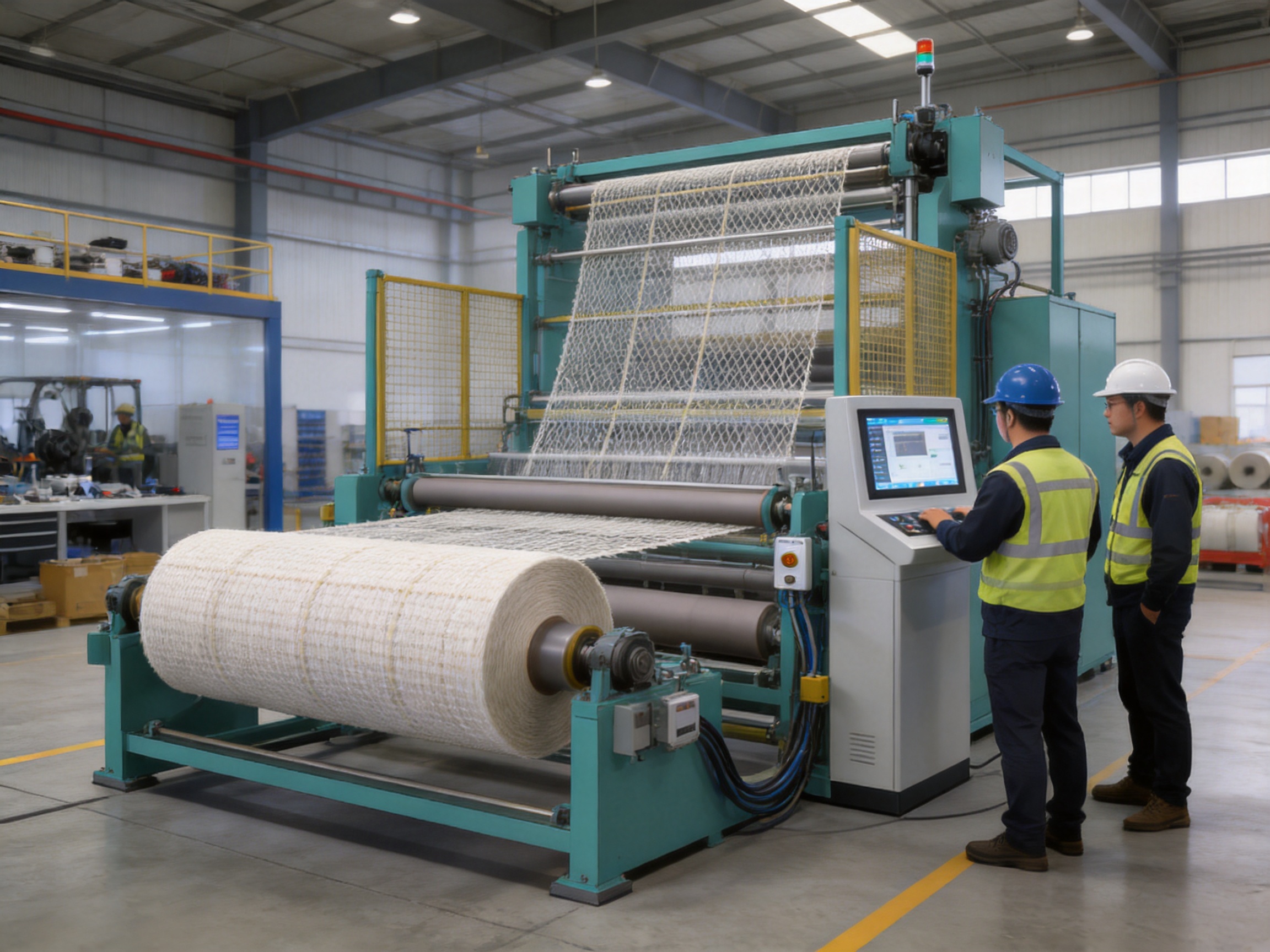
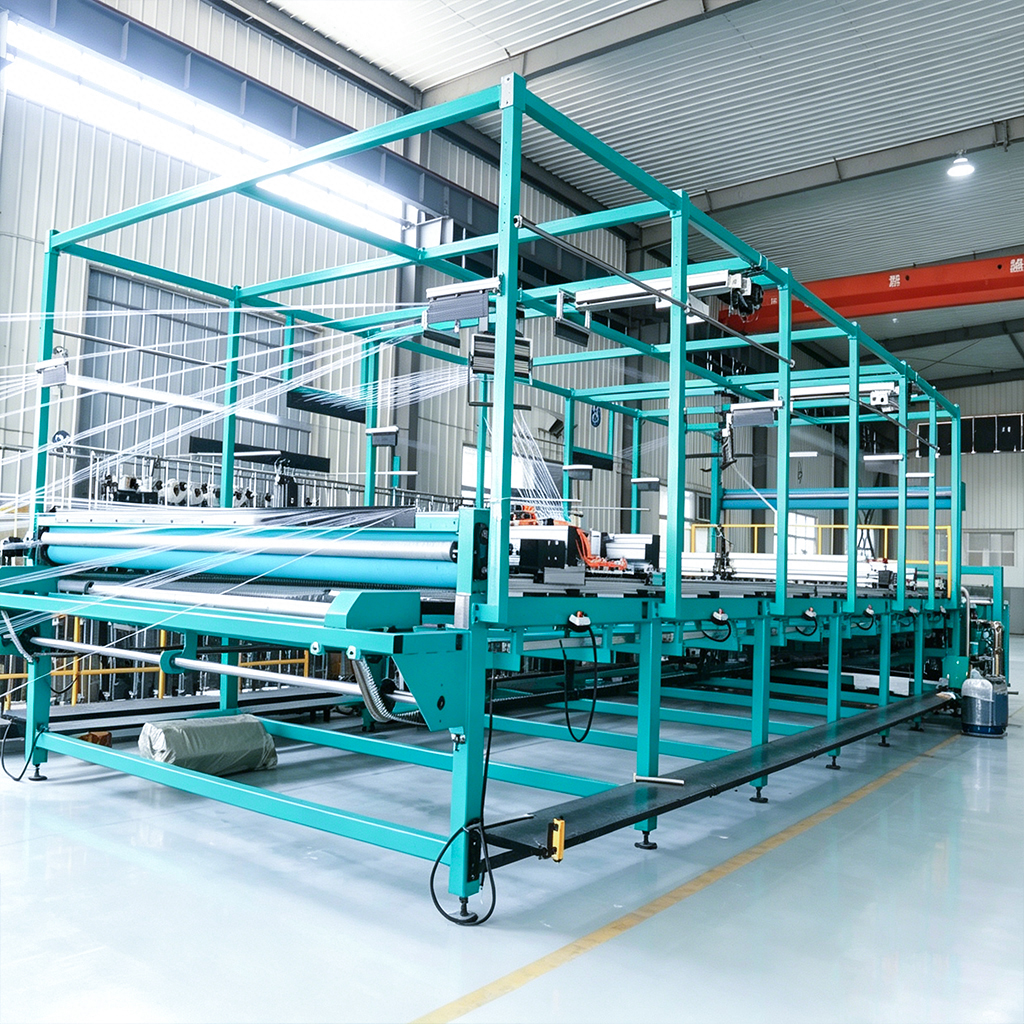
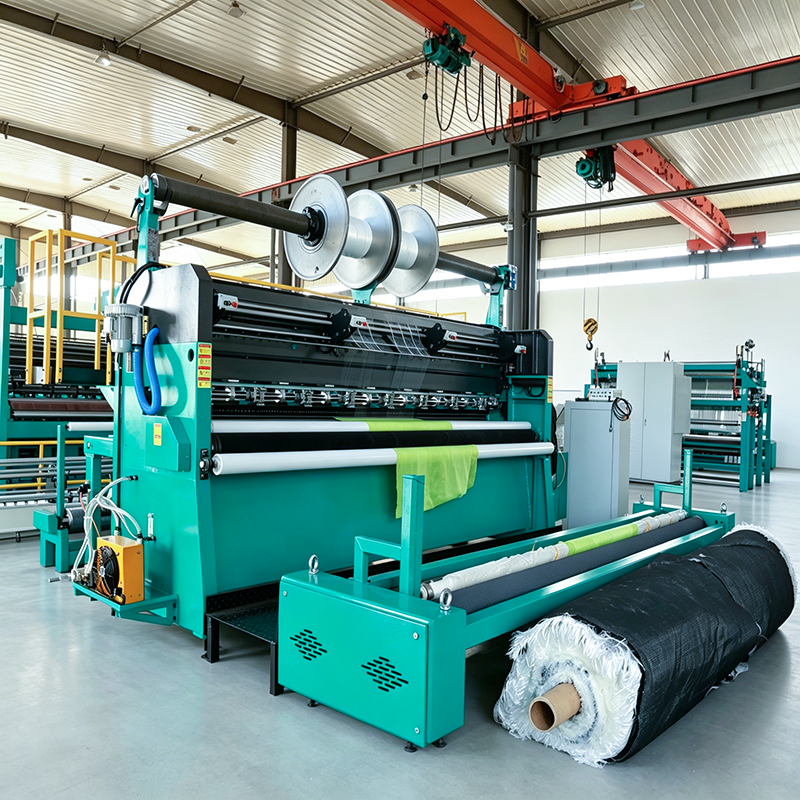
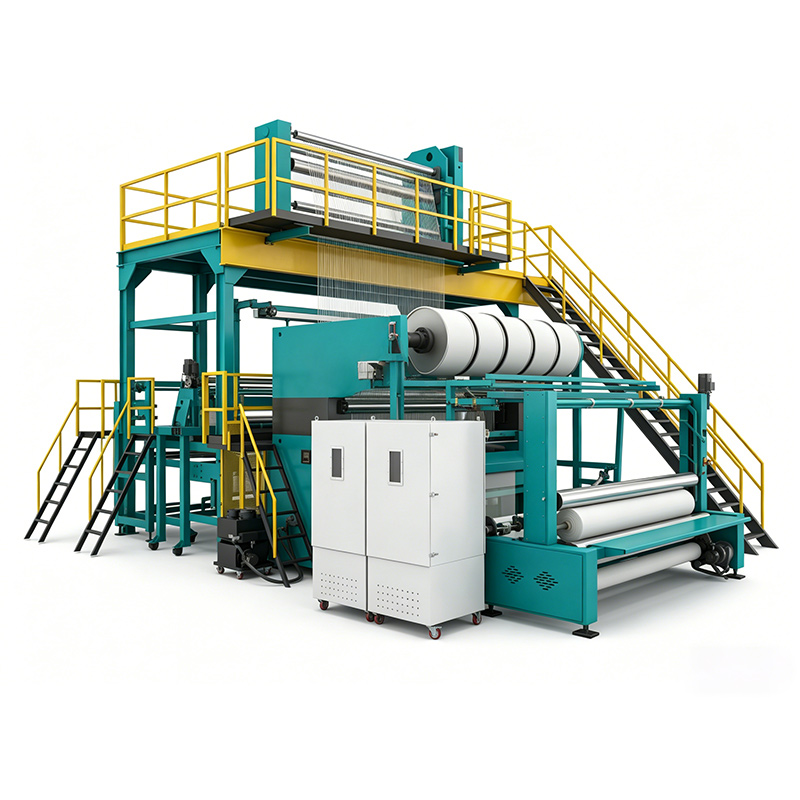
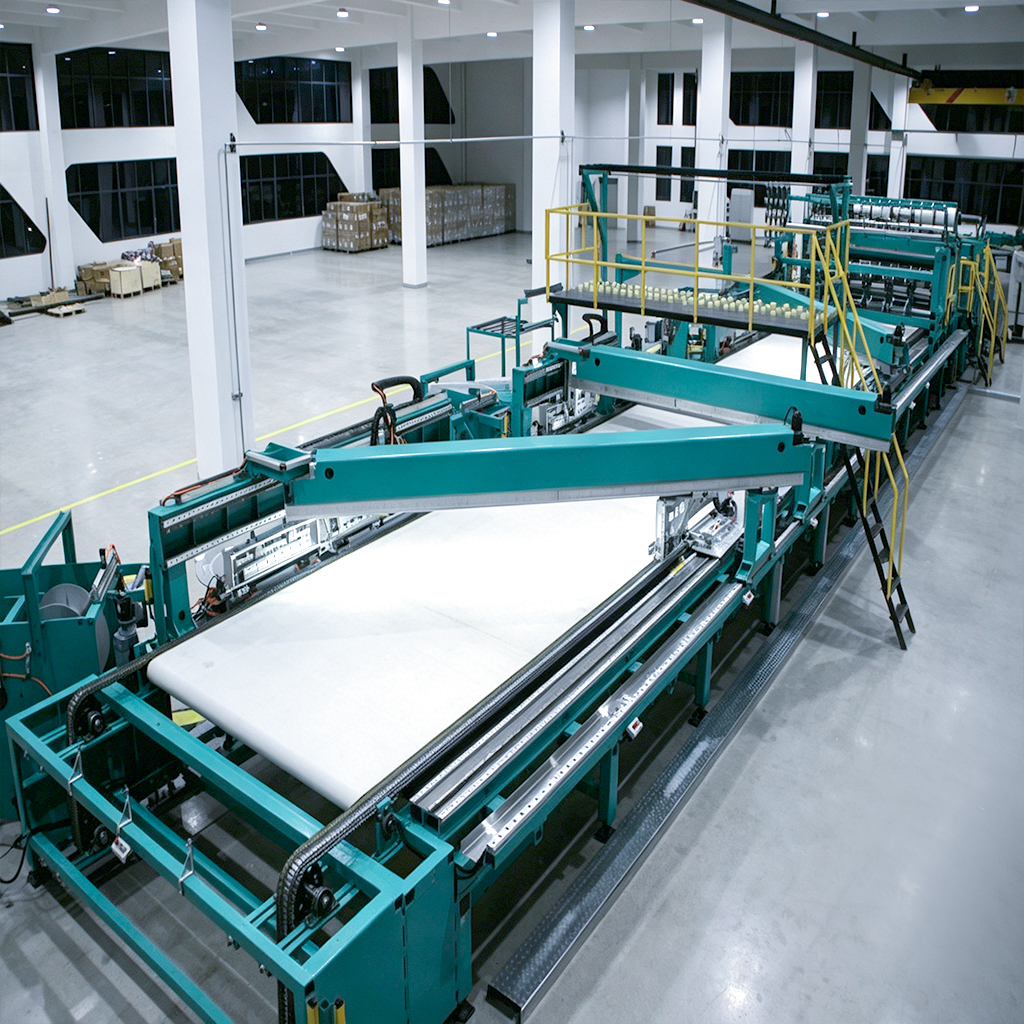
The LS Rotary Type Laid Scrim Machine is designed for manufacturers producing lightweight, directionally oriented grid fabrics from glass fiber or polyester yarn. By combining web laying, chemical bonding, and setting in one coordinated production process, the machine provides an efficient method for manufacturing open scrim structures used in insulation, packaging, release papers, foil reinforcement, building materials, and composite laminates.
Laid scrim is valued because it can reinforce a substrate without adding excessive weight or thickness. A well-formed scrim must maintain accurate yarn spacing, stable orientation, consistent width, reliable bonding, and controlled roll tension. These requirements become increasingly demanding when production speeds rise or when the fabric is produced at low grammage. The LS rotary type design addresses these requirements through a rotary laying principle, controlled yarn paths, chemical bonding, and integrated setting.
Manufactured by Changzhou Yuanyang Electromechanical Technology Co., Ltd., the LS machine is developed for customers who require a specialized production line rather than a general-purpose textile machine. Its configuration can be adapted to the selected fiber, yarn count, mesh geometry, bonding system, working width, roll format, electrical standard, and downstream process. This project-oriented approach allows the equipment to be matched with the actual production conditions of each factory.
Compared with conventional methods that may require multiple separate forming and joining operations, the LS rotary type laid scrim machine offers a compact one-time forming process. The rotary web-laying movement places the yarns according to the required directional grid, while chemical bonding and setting stabilize the crossing points. The result is a lightweight reinforcement fabric with an open structure and controlled dimensional behavior.
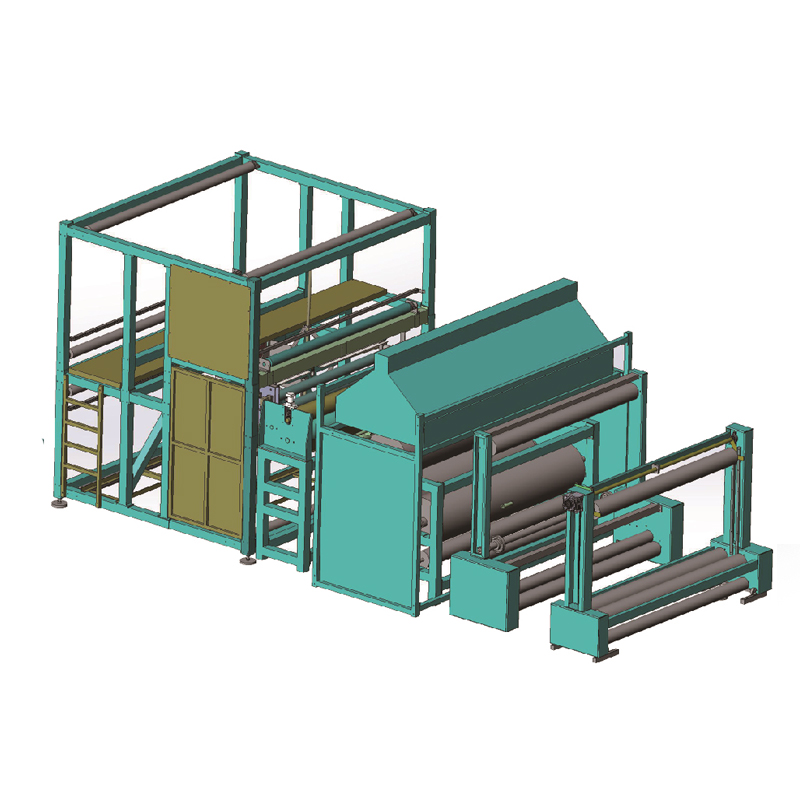
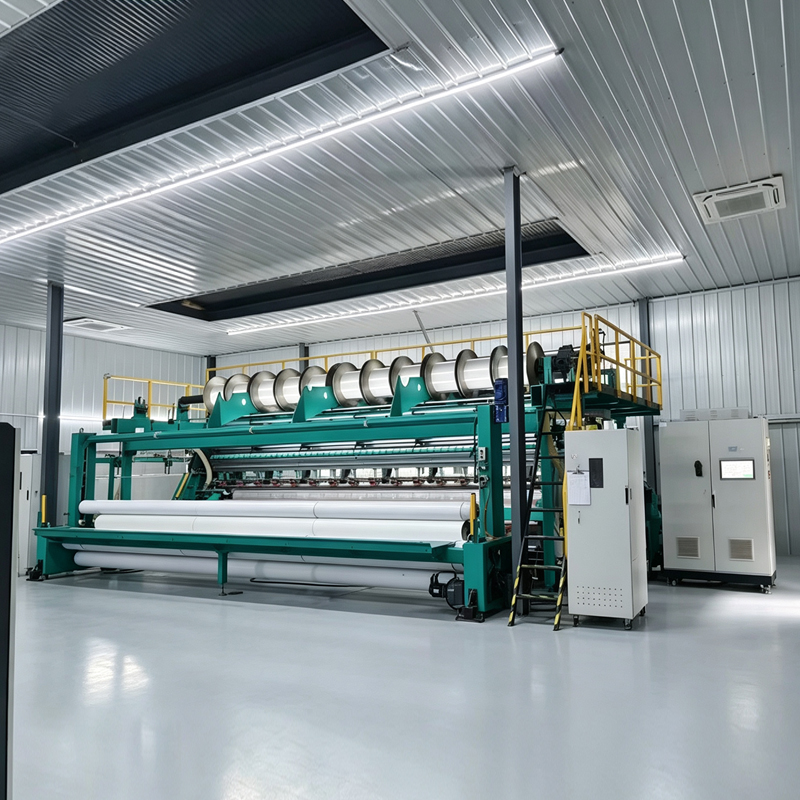
LS Rotary Type Laid Scrim Machine
1. Product Overview
The LS Rotary Type Laid Scrim Machine is a specialized web-laying system for producing low-weight grid fabrics. It is primarily intended for glass fiber and polyester yarns, although the final machine configuration must always be confirmed against the yarn specification, package format, mesh design, binder chemistry, and target output.
The machine forms a scrim by arranging yarns in a controlled orientation and joining the intersections with a chemical bonding system. Unlike conventional woven fabric production, the scrim does not rely on interlacing warp and weft yarns through a loom. Instead, the yarns are laid into an open grid, allowing the producer to obtain a low-weight reinforcement with minimal material consumption.
The rotary laying method is particularly suitable for applications where straight yarn paths, regular spacing, and directional reinforcement are important. The machine can be configured for applications in which the scrim will later be coated, laminated, bonded to foil, combined with paper, or incorporated into a multilayer composite structure.
The standard machine data includes a speed range of 50 to 300 revolutions per minute, a working width of approximately 2,000 millimeters, and a reference daily output of approximately 15,000 square meters. These figures are not independent guarantees of production capacity. Actual output depends on fabric construction, yarn count, mesh pitch, bonding conditions, drying or setting requirements, operating schedule, and the stability of the downstream process.
| Item | Standard or Reference Value | Production Consideration |
|---|---|---|
| Applicable fibers | Glass fiber and polyester | Creel, yarn path, tension, and binder selection are matched to the material. |
| Machine speed | 50–300 r/min | Final speed depends on mesh geometry, yarn count, bonding, and process stability. |
| Working width | 2,000 mm, approximately 79 inches | Trim allowance and edge quality should be confirmed before production. |
| Reference daily output | Approximately 15,000 m² | Actual output varies according to fabric construction and operating conditions. |
| Forming method | Rotary web laying | Rotary head geometry determines the yarn path and orientation. |
| Joining method | Chemical bonding and setting | Binder selection must be compatible with the fiber and downstream application. |
2. How the Rotary Laying Process Works
The production process begins with yarn preparation and creeling. Glass fiber or polyester yarn packages are installed in positions corresponding to the required fabric construction. Stable yarn supply is essential because variations in tension or package unwinding can lead to missing ends, uneven spacing, broken yarns, or changes in mesh appearance.
From the creel, the yarns pass through a controlled guiding system. The yarn path is arranged to reduce unnecessary friction and maintain a stable running position. Depending on the production specification, the machine may require different guiding components, tension control arrangements, and package formats. These details are confirmed during technical configuration rather than treated as identical for every installation.
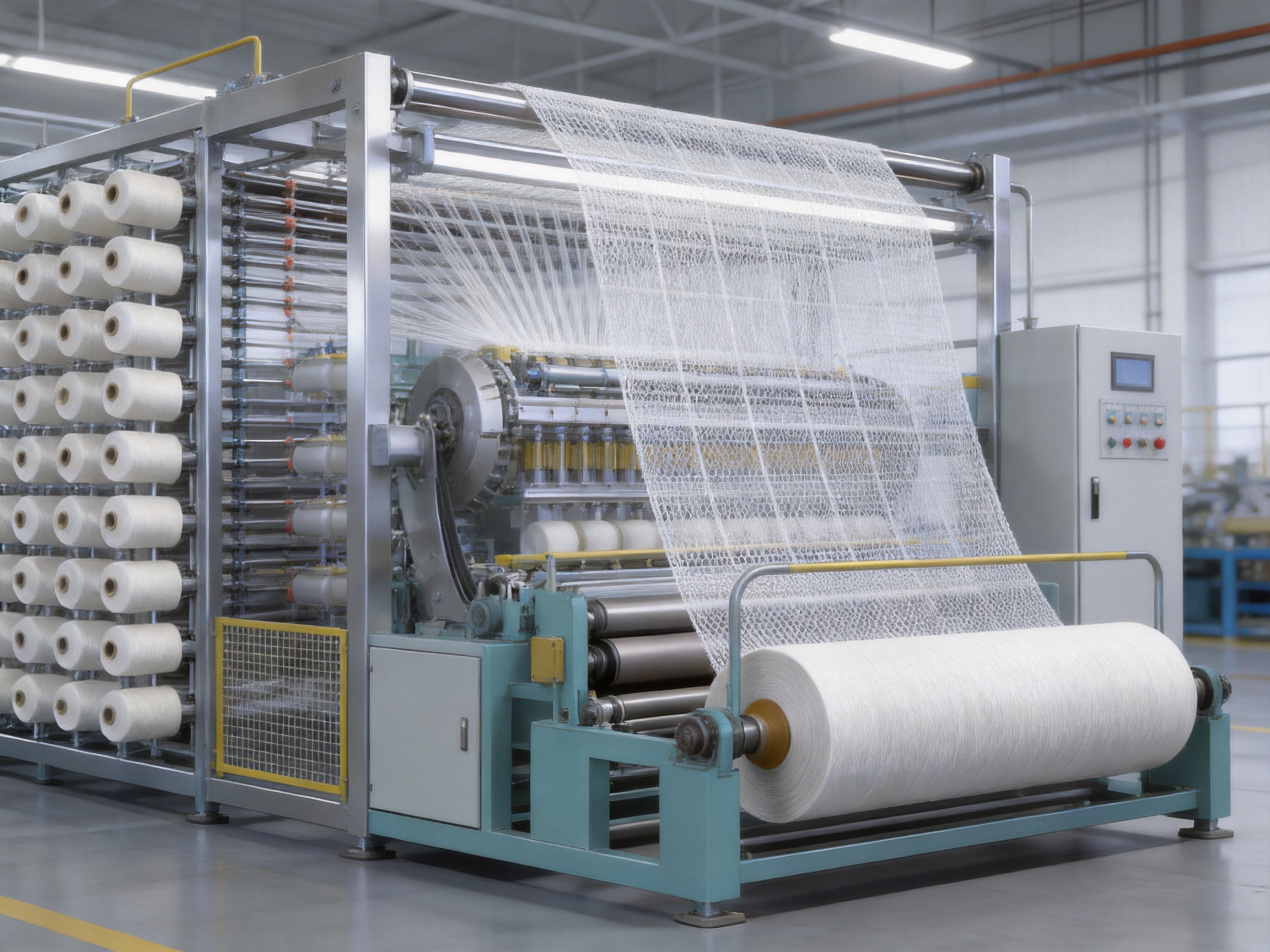
The rotary laying section then moves the yarns into the required grid arrangement. The rotary motion allows the machine to form a directional web while maintaining an open fabric structure. The spacing between yarns, the angle of the laid elements, and the relationship between the machine direction and cross direction influence the final reinforcement performance.
After the yarns are placed, a chemical bonding system joins the intersections. The binder may be applied or introduced according to the selected process design. The amount of binder, application uniformity, penetration, and setting conditions all influence the strength and flexibility of the finished scrim. A suitable bonding system must hold the grid securely while remaining compatible with later coating, laminating, or adhesive operations.
Setting stabilizes the bonded structure. This stage is important because a scrim can appear regular immediately after formation but still change width, tension, or mesh geometry if the bonding system is not properly set. Process conditions are therefore selected according to the chemical system, line speed, fiber type, and required final performance.
The finished web is transferred to the winding section, where tension and roll build are controlled. A well-built roll should maintain consistent width, edge condition, winding tightness, and unwinding behavior. These factors are important to customers using the scrim in high-speed coating, paper conversion, foil laminating, insulation facing, and composite production lines.
3. Main Advantages of the LS Rotary Type Design
3.1 One-Time Grid Formation
One of the main advantages of the LS machine is its one-time forming principle. The yarns are laid and bonded as part of a coordinated process rather than being converted through a conventional woven fabric route. This helps reduce unnecessary process stages for applications that require an open reinforcement grid instead of a dense textile structure.
A simplified process can provide several practical benefits. It may reduce intermediate handling, decrease the number of separate machines required, limit the risk of fabric damage between stages, and make it easier to control the relationship between yarn placement and bonding. The actual benefit depends on the full line design, but the integrated concept gives the producer a clear basis for process optimization.
3.2 Low-Weight Reinforcement
The machine is designed for low-weight scrim production. Because the structure is open and the yarns are placed only where reinforcement is required, material consumption can be controlled without sacrificing the directional function of the grid. This is useful in products where reinforcement is necessary but excessive weight, thickness, or cost must be avoided.
Lightweight scrim is commonly used as an internal reinforcement layer. It may be combined with paper, foil, films, nonwoven materials, insulation products, boards, or surface coatings. The scrim supports dimensional stability and handling performance while allowing the surrounding substrate to retain its own flexibility or surface characteristics.
3.3 Controlled Yarn Orientation
Rotary web laying is suitable for products that require controlled directionality. The orientation of the yarns affects tensile behavior, tear resistance, dimensional stability, and load transfer. By adjusting the machine configuration and laying parameters, the producer can develop a grid structure that corresponds to the mechanical requirements of the final application.
Directionally oriented reinforcement can be more efficient than using a heavier uniform fabric when the product experiences loads primarily in selected directions. This characteristic makes the LS machine relevant to insulation facings, reinforced papers, foil laminates, and construction-related materials where machine-direction or cross-direction performance must be managed carefully.
3.4 Chemical Bonding Without a Separate Laminating Step
The bonding and setting functions are integrated into the production concept. This means that the scrim intersections can be fixed during formation instead of requiring a separate laminating stage solely to hold the grid together. Eliminating an unnecessary intermediate joining step may simplify material flow and reduce handling requirements.
The bonding system must be selected carefully. Different end uses can require different levels of stiffness, flexibility, moisture resistance, thermal behavior, or compatibility with adhesives and coatings. For this reason, the LS machine is configured around the customer’s binder system and final application rather than using one universal bonding condition.
3.5 Adaptability to Downstream Lines
The machine is commonly installed as the forming section of a wider production line. Its interface with the coating, drying, laminating, or winding sections is therefore important. Drive coordination, tension control, signal exchange, guarding, operator access, and electrical communication can all be considered during project engineering.
This approach gives the customer more control over the complete process. Rather than selecting a machine that operates independently but creates difficulties at the line interfaces, the purchaser can define the requirements of the entire production chain. The result is a more coherent equipment layout and a better basis for stable operation.
4. Applications of the Produced Scrim
4.1 Insulation Materials
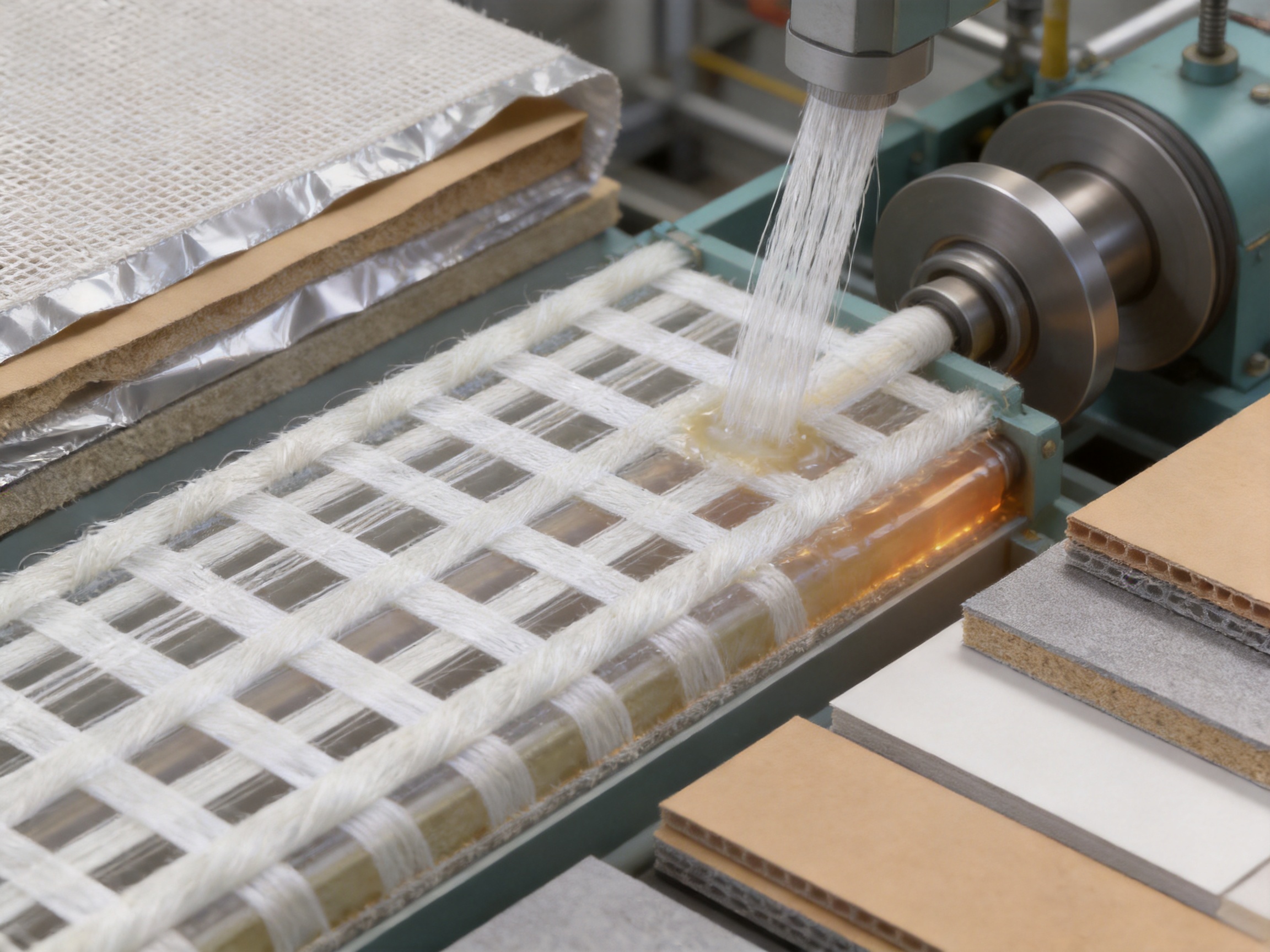
Glass fiber and polyester scrim are widely used to reinforce insulation products. In insulation facings, scrim can improve handling strength, dimensional stability, tear resistance, and resistance to deformation during installation. The open grid allows the reinforcement to remain lightweight while supporting the facing material.
The correct scrim specification depends on the insulation product, facing material, adhesive or coating, and required performance. A producer may need a soft and flexible grid for one application or a more stable and rigid structure for another. Machine speed, binder pick-up, yarn spacing, and winding tension should be selected to support these requirements.
4.2 Packaging Materials
Reinforced packaging materials use scrim to increase resistance to tearing, puncture, and handling damage. Paper, film, foil, and composite packaging structures can benefit from a lightweight internal reinforcement layer. The scrim can provide additional strength without requiring a major increase in the basis weight of the final product.
For packaging applications, surface compatibility is particularly important. The scrim may need to bond reliably to paper, film, foil, or adhesive layers. The binder must not create unacceptable surface defects, interfere with lamination, or cause excessive stiffness. These considerations are incorporated into the technical discussion before machine construction.
4.3 Release Papers
Release papers and related coated paper products may use scrim to improve dimensional stability and handling performance. The scrim must be sufficiently uniform to avoid visible defects after coating or lamination. Consistent mesh pitch and controlled roll tension are therefore important characteristics of the production line.
4.4 Marble and Mosaic Reinforcement
Scrim can be applied as reinforcement for marble, mosaic, stone-related products, and decorative panels. In these applications, the grid helps stabilize the backing or support layer. The required fabric may need to conform to a coating or adhesive while maintaining adequate strength during cutting, transport, and installation.
The suitable machine settings depend on the intended thickness, adhesive system, substrate, and handling method. A controlled open structure helps the scrim integrate with the surrounding material rather than behaving as a dense independent fabric.
4.5 Fireproof Board Reinforcement
Fireproof boards and related construction materials can use glass fiber or polyester scrim to improve structural integrity. The scrim may assist in reducing cracking, controlling dimensional change, or improving handling strength. The binder and fiber choice must be considered together with the thermal and chemical conditions of the board production process.
4.6 Reinforced Aluminum Foil
Aluminum foil laminates often require reinforcement because thin foil can be vulnerable to tearing, wrinkling, or damage during conversion and installation. A lightweight scrim layer can improve handling performance while preserving the low thickness and reflective properties of the foil-based construction.
For foil lamination, edge quality, roll hardness, surface cleanliness, and binder compatibility are essential. The LS machine can be integrated into a process in which the scrim is produced for immediate or later lamination, depending on the customer’s line arrangement.
4.7 Kraft Paper and Composite Materials
Reinforced kraft paper uses scrim to increase tensile and tear performance while maintaining the practical advantages of paper. The grid can be inserted between paper layers or bonded to a paper surface. The final construction may be used for building products, packaging, insulation, or industrial wrapping.
Because kraft paper lines often operate at significant speed, the scrim roll must unwind consistently. Stable roll formation and accurate width control reduce the likelihood of wrinkles, telescoping, or alignment problems during lamination.
5. Configuration Options for Different Production Requirements
5.1 Fiber and Yarn Package Selection
The LS machine is suitable for glass fiber and polyester, but these materials do not behave identically. They differ in flexibility, abrasion behavior, surface characteristics, tension response, and compatibility with bonding systems. Creel design, yarn guides, tension settings, and package dimensions must reflect these differences.
Yarn count is also important. A machine configured for a fine yarn and low-density grid may require different control settings from a machine producing a heavier reinforcement structure. Package format affects unwinding performance and the available running time between package changes.
5.2 Mesh Geometry
Mesh geometry includes yarn spacing, grid pitch, orientation, and the relationship between the different yarn systems. These factors determine the appearance and mechanical behavior of the finished scrim. The rotary laying head is configured according to the required grid design, and the geometry must be verified through technical drawings and trial production.
When the mesh is too open, the reinforcement may not provide sufficient stability. When it is too dense, material consumption may rise and the final laminate may become unnecessarily heavy or stiff. The machine should therefore be selected and adjusted according to the actual performance target rather than a generic mesh description.
5.3 Bonding and Setting Conditions
Binder application must be uniform across the working width. Uneven binder distribution can lead to weak intersections, stiff zones, surface contamination, or variation in roll behavior. Setting conditions must provide sufficient bonding without damaging the yarn or creating undesirable brittleness.
The appropriate process depends on binder chemistry, solids content, application method, drying or setting capacity, line speed, and final product requirements. During configuration, these factors are considered together. The goal is not simply to maximize binder strength but to achieve a balanced combination of node stability, flexibility, appearance, and downstream compatibility.
5.4 Winding and Take-Off
The winding section must produce rolls that are stable during storage, transport, and subsequent conversion. Tension that is too low can cause loose or uneven rolls, while excessive tension can distort the mesh or make unwinding difficult. Edge alignment is equally important when the scrim will be laminated to a narrow substrate or fed into an automated line.
Roll diameter, core size, roll width, winding hardness, and packaging method should be defined before final machine design. These details influence the mechanical configuration and the relationship between the forming section and the take-off system.
5.5 Electrical and Control Adaptation
The control system can be arranged according to the electrical standard, operator language, production environment, and communication requirements of the customer’s facility. Speed coordination between the laying, bonding, setting, and winding sections is essential for stable operation.
Where required, the machine can exchange signals with an upstream creel system or a downstream coating and laminating line. Access levels, alarm functions, emergency-stop logic, and parameter management should be discussed during the project stage so that the finished machine fits the plant’s operating procedures.
6. Manufacturing Strengths and Engineering Capability
Changzhou Yuanyang Electromechanical Technology Co., Ltd. operates in Jiangsu, a major region for China’s textile machinery industry. The company has a production base of more than 12,000 square meters and focuses on the development, manufacture, sales, and service of specialized textile equipment.
Its product range includes stitch-bonding machines, biaxial warp knitting machines, multiaxial warp knitting machines, carbon fiber multiaxial warp knitting machines, powder scattering machines, web-laying machines, and related equipment. This broader technical background is valuable when designing a laid scrim line because the company understands not only the web-forming machine but also adjacent textile processes and composite-material applications.
The company’s engineering work is oriented toward non-standard configurations, complex fabric designs, difficult-to-process materials, and lines requiring long-term stability. This is particularly relevant to laid scrim production, where a machine cannot be judged only by its nominal speed. Yarn behavior, binder response, roll construction, downstream conversion, and customer acceptance criteria all affect the successful result.
Manufacturing quality begins with component selection and continues through mechanical assembly, electrical installation, debugging, and final testing. The equipment is tested before dispatch, while the acceptance process is agreed with the customer. This allows the production trial to focus on measurable criteria such as mesh regularity, fabric weight, bonding quality, working width, roll build, and machine function.
Research and development is supported by experienced industry engineers who improve product structure, operating stability, and process adaptability. For customers with special materials or unusual production requirements, this engineering capability can be more valuable than a standard catalogue configuration.
7. Quality Control and Factory Acceptance
A reliable laid scrim machine must be evaluated through both mechanical and fabric-performance criteria. A machine may run without obvious mechanical faults but still fail to produce the required scrim if yarn spacing, grid pitch, binder distribution, or winding tension is inconsistent. The quality-control process therefore needs to cover the entire production chain.
| Inspection Area | Verification Focus | Importance to the Customer |
|---|---|---|
| Yarn path | Correct routing, stable tension, and smooth yarn movement | Reduces breaks, missing ends, and irregular grid formation. |
| Web laying | Orientation, spacing, pitch, and straightness | Determines reinforcement performance and visual uniformity. |
| Bonding | Node formation, binder distribution, and setting condition | Ensures the grid remains stable during handling and conversion. |
| Working width | Usable width, edge quality, and trim allowance | Supports efficient use of the downstream substrate. |
| Winding | Roll hardness, tension, edge alignment, and diameter | Improves storage, transport, and unwinding performance. |
| Machine function | Drive response, stop logic, guarding, alarms, and controls | Supports safe and repeatable operation. |
Factory acceptance can be based on a customer-supplied yarn and binder system, a mutually agreed trial material, or a sample specification developed during technical discussions. The more complete the customer’s production information, the more accurately the machine can be tested before shipment.
Acceptance criteria should be stated clearly. Typical criteria may include fabric width, yarn spacing, grid pitch, basis weight, bonding appearance, roll length, roll diameter, production speed, and operating stability. Not every project requires the same criteria, so the acceptance document should reflect the intended product rather than relying only on standard machine data.
8. Advantages Compared with Less Specialized Equipment
The LS rotary type laid scrim machine offers several advantages over less specialized production arrangements. First, it is designed specifically for lightweight, open, directionally oriented grid fabrics. General textile machines may be able to handle yarn, but they may not provide the required combination of web laying, chemical bonding, setting, and roll formation.
Second, the rotary laying principle provides a direct method for creating a directional grid. A conventional woven route may introduce additional interlacing, fabric density, thickness, and process stages that are unnecessary for certain reinforcement products. The laid scrim approach allows the producer to place yarn more selectively according to the intended load direction.
Third, integrated chemical bonding can reduce the need for an additional joining stage. This may simplify the line layout and reduce intermediate handling. The benefit is especially relevant when the scrim is produced as a reinforcement layer for immediate coating or lamination.
Fourth, the machine is engineered as a configurable system rather than a fixed unit with limited adjustment. Fiber type, package format, mesh geometry, binder conditions, winding requirements, control interface, and downstream equipment can all be considered before manufacturing. This approach can produce a better technical fit than selecting a standard machine based only on nominal width and speed.
Finally, the manufacturer’s experience with warp knitting, stitch bonding, multiaxial structures, web laying, and composite-related equipment supports cross-process engineering. Customers can discuss the scrim machine in relation to the larger material line, rather than treating it as an isolated piece of equipment.
9. Installation, Commissioning, and Operator Training
Installation is an important stage in achieving the expected performance of a laid scrim line. The machine must be positioned accurately, connected to the correct utilities, aligned with adjacent equipment, and checked for safe access. Floor space, transport routes, foundation conditions, electrical supply, compressed air, binder handling, ventilation, and waste collection should be reviewed before delivery.
After installation, commissioning begins with mechanical and electrical checks. The engineering team verifies drive rotation, sensor response, emergency-stop circuits, guarding, control parameters, yarn paths, binder systems, and winding functions. Initial trials are then carried out at controlled conditions before the line is gradually adjusted toward the target production specification.
Operator training covers yarn threading, package replacement, tension adjustment, speed setting, binder handling, cleaning, routine inspections, alarm interpretation, and safe shutdown procedures. Maintainer training may include lubrication, wear-part inspection, electrical troubleshooting, sensor replacement, drive-system checks, and adjustment of the laying and winding sections.
Training can also cover production-management topics such as quality records, process checks, shift handover, roll identification, nonconforming-material control, and preventive maintenance planning. These practices help ensure that machine capability is translated into consistent daily production.
10. Maintenance and Long-Term Operation
Routine maintenance should be organized around the areas that directly influence fabric quality and machine reliability. Yarn guides, tension elements, rotary laying components, binder application parts, drying or setting equipment, sensors, drive components, and winding mechanisms should be inspected at planned intervals.
Cleaning is particularly important in chemical bonding applications. Binder residue can accumulate around application points, guides, rollers, or protective surfaces. If not removed, the residue may alter the yarn path, affect binder distribution, create surface defects, or increase the risk of unplanned downtime.
The rotary laying head should be checked for wear, alignment, smooth movement, and correct interaction with the yarn path. Small changes in guide position or mechanical clearance can affect spacing and regularity, particularly when producing fine or low-weight grids.
The winding section should be monitored for roll hardness, edge build, tension response, core condition, and alignment. A roll that appears acceptable at the machine may later show telescoping, wrinkles, or difficult unwinding if the take-off settings are not maintained correctly.
Preventive maintenance intervals depend on shift pattern, yarn type, binder system, operating speed, and environmental conditions. The manufacturer can support spare-parts identification, wear-part replacement, troubleshooting, and process questions through its after-sales service team.
11. Information Required for a Technical Proposal
Customers can obtain a more accurate configuration and quotation by providing complete project information. The first requirement is the fiber type, including whether the line will process glass fiber, polyester, or more than one material. Yarn count, tensile characteristics, package format, and expected package change frequency are also important.
The target fabric specification should include mesh weight, grid pitch, yarn spacing, orientation, fabric width, roll length, roll diameter, and acceptable tolerance. If a sample or drawing is available, it should be provided because visual and dimensional details can reveal requirements not fully expressed in a written specification.
The binder system should be identified, including the chemical type, solids content, application method, setting requirements, and compatibility with the downstream product. If the scrim will be laminated to foil, paper, film, insulation, or board, the customer should describe the adhesive and coating process.
Factory information should include available floor space, building height, utility supply, electrical standard, ventilation, material handling equipment, operator language, and line layout. Communication with existing equipment should also be explained, particularly where the machine must connect to a coating, laminating, drying, or automated packaging system.
Production targets should be stated realistically. A target based only on maximum machine speed may not reflect the actual output achievable with a specific yarn and binder. It is better to define the target fabric, operating schedule, quality tolerance, and expected availability so that the equipment can be configured around the complete production objective.
12. Frequently Asked Questions
What materials can the LS Rotary Type Laid Scrim Machine process?
The machine is primarily designed for glass fiber and polyester yarns. The final configuration depends on yarn count, package format, tension behavior, mesh design, binder system, and downstream requirements. Customers should provide material details before the machine is finalized.
What is the standard working width?
The reference working width is 2,000 millimeters, or approximately 79 inches. The usable width, edge quality, and trim allowance should be confirmed according to the customer’s fabric design and downstream substrate.
What is the expected daily output?
The reference daily output is approximately 15,000 square meters. Actual output can vary according to mesh construction, yarn count, binder chemistry, setting time, operating speed, shift pattern, and process stability. A production trial is the most reliable way to confirm the expected result for a specific fabric.
How does the rotary type differ from a weft insertion type laid scrim machine?
The LS model uses a rotary laying motion to form a lightweight, directionally oriented grid. A weft insertion type uses a different yarn placement principle and may be more suitable for other scrim constructions. The appropriate model should be selected according to mesh geometry, yarn arrangement, production speed, bonding requirements, and downstream application.
Can the machine produce customized mesh structures?
Yes. Configuration can address yarn spacing, grid pitch, orientation, working width, binder conditions, roll format, and line integration. The customer may provide drawings, samples, or performance requirements. Three-dimensional confirmation drawings and trial samples can be used before mass production.
Can the machine be connected to an existing coating or laminating line?
The LS machine is commonly used as the forming section of a wider production line. Drive coordination, tension control, signal exchange, electrical communication, and take-off arrangements can be planned for integration with upstream or downstream equipment. Existing line details should be provided during the design stage.
What bonding system is used?
The machine uses chemical bonding and setting to secure the yarn intersections. The exact binder system is determined by the fiber, scrim construction, final application, required flexibility, surface characteristics, and compatibility with later coating or lamination.
How is fabric quality checked?
Quality checks may include yarn straightness, spacing, grid pitch, working width, basis weight, node formation, binder uniformity, roll tension, edge condition, and winding quality. Machine functions such as drive response, emergency-stop operation, guarding, alarms, and control stability are also inspected.
What support is available after delivery?
Installation, commissioning, operator training, and maintenance instruction can be provided at the customer’s factory. After-sales support includes spare-parts identification, troubleshooting, wear-part guidance, and assistance with long-term production questions.
Can the machine be used for more than one scrim specification?
The machine can be configured and adjusted for suitable product ranges, but the practical range depends on the yarns, mesh geometry, binder system, and mechanical configuration. Customers intending to produce multiple specifications should disclose them before ordering so that the machine is designed with the necessary flexibility.
13. Conclusion
The LS Rotary Type Laid Scrim Machine provides a specialized solution for manufacturing lightweight, directionally oriented glass fiber and polyester scrim. Its rotary web-laying principle, one-time forming concept, chemical bonding, and setting process are suited to manufacturers that require controlled grid formation and efficient integration with coating, laminating, insulation, packaging, paper, foil, or composite-material production.
The main value of the machine lies not only in its nominal speed or working width but also in the way the complete system can be configured around the customer’s material and process. Yarn packages, mesh geometry, binder conditions, winding requirements, utilities, control interfaces, and acceptance criteria can be considered together.
Changzhou Yuanyang Electromechanical Technology Co., Ltd. supports this equipment with specialized textile machinery manufacturing, engineering development, factory testing, installation, training, and after-sales service. Its experience across web laying, stitch bonding, warp knitting, multiaxial structures, and composite-related applications provides a technical foundation for projects that require more than a standard catalogue machine.
For producers seeking low-weight reinforcement with accurate orientation, stable bonding, and reliable roll formation, the LS rotary type design offers a practical platform. The best results are achieved when the machine is specified from the intended fabric backward: beginning with the final application, then defining the mesh, yarn, binder, production rate, line interfaces, and quality requirements needed to make that product consistently.
References
1. Changzhou Yuanyang Electromechanical Technology Co., Ltd. Product information for the LS Rotary Type Laid Scrim Machine.
2. Changzhou Yuanyang Electromechanical Technology Co., Ltd. Technical information on web-laying, stitch-bonding, biaxial, and multiaxial textile machinery.
3. General technical principles of laid scrim formation, chemical bonding, textile web handling, and roll winding.
4. General manufacturing practices for textile machinery assembly, factory acceptance testing, commissioning, and preventive maintenance.
5. General application principles for reinforced insulation materials, packaging structures, release papers, foil laminates, kraft paper, boards, and composite products.
Product: LS Rotary Type Laid Scrim Machine

News
-
Three quotations land on the same desk for the same polyester nonwoven line, and on paper they look interchangeable. Each is priced per metre of working width. Each quotes a similar top speed. Each c...
READ MORE -
Two buyers open the same catalogue and both ask for a warp knitting machine. One needs a 4.5 m wide glass-fibre geogrid with 0° and 90° yarns stitched together for a soil-reinforcement contract; the ...
READ MORE -
Match the machine type to the fabric: choose a tricot Warp Knitting Machine for fine, smooth fabrics such as lining and sportswear, a raschel machine for open, patterned, and technical fabrics, a doub...
READ MORE -
Which Machine Category Matches Each Technical Fiber and Fabric Goal A warp knitting machine is the primary production platform for technical fiber textiles across fiberglass, chemical fiber, and carbo...
READ MORE
-
Contact Info.
+86-198 5534 1617
+86-134 0158 3002yuanyang@yywarpknitting.com 699#, Shengzhi West Rd, Lvcheng Town, Danyang City, Zhenjiang City, Jiangsu Province, China

-
QR Code
-
Quick Links
Home About Products Manufacturing Customization News Contact -
Product List
Machine for Chemical Fiber Textile Machine for Fiberglass Textile Machine for Carbon Fiber Textile -
About Us
Company Profile Factory Gallery Value-added Service
Copyright © 2026 Changzhou Yuanyang Electromechanical Technology Co., Ltd. All Rights Reserved.
Custom Warp Knitting Machine Manufacturers
