

 English
 中文简体
 русский
 Français
 Español
 Deutsch

Advanced Terry Warp Knitting Technology for Single- and Double-Sided Loop Fabrics
2026-10-15
Content
- 1 1. The Role of Specialized Terry Warp Knitting Equipment
- 2 2. Product Overview
- 3 3. Fabric Structures and End Products
- 4 4. Main Advantages Compared with Less Specialized Equipment
- 5 5. Engineering Configuration for a Specific Fabric
- 6 6. Manufacturing Strengths and Quality Control
- 7 7. Installation and Production Preparation
- 8 8. Operation and Process Optimization
- 9 9. Maintenance and Serviceability
- 10 10. Acceptance Standards and Customer Confidence
- 11 11. Applications in Hospitality, Household and Technical Textiles
- 12 12. Why Manufacturer Experience Matters
- 13 13. Project Development Process
- 14 14. Frequently Asked Questions
- 14.1 What type of fabric does the machine produce?
- 14.2 Can one machine produce both single-sided and double-sided terry?
- 14.3 What fibers are suitable for the machine?
- 14.4 What working widths are available?
- 14.5 What is the machine speed?
- 14.6 What is the expected daily output?
- 14.7 Can the machine be used for microfiber cleaning cloths?
- 14.8 Can it produce fabric for EPE foam composites?
- 14.9 How is the machine configured for a customer project?
- 14.10 Does the supplier provide installation and commissioning?
- 14.11 What routine maintenance is required?
- 14.12 How should machine acceptance be defined?
- 14.13 What information should be provided when requesting a quotation?
- 15 15. Conclusion
- 16 References
- 17 Product: TM Towel Machine
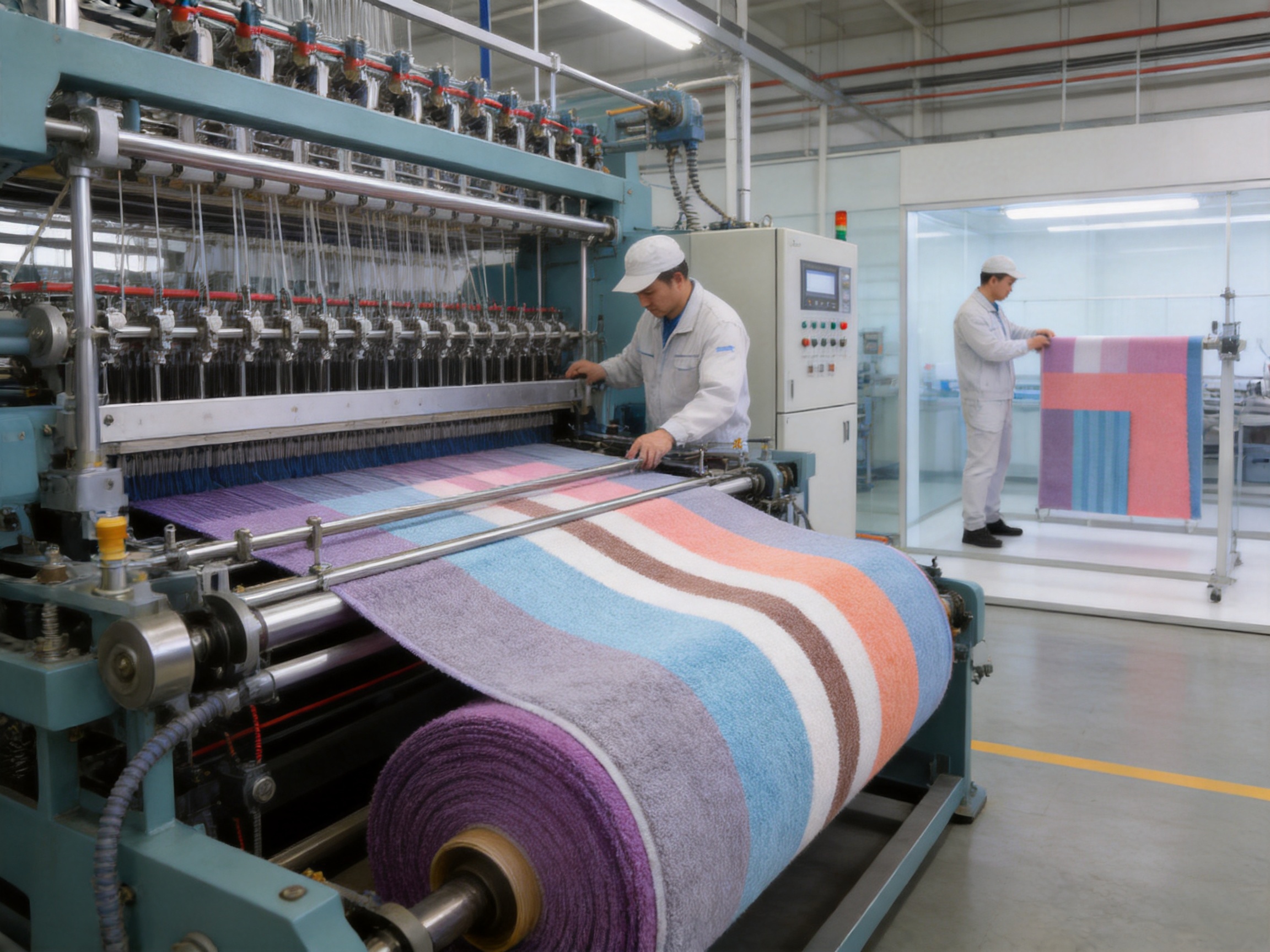
Terry fabrics are valued for their softness, absorbency, surface coverage, and comfort. They are used in cleaning towels, hotel textiles, household cloths, plush fabrics, protective products, and composite materials. However, producing a stable terry structure on an industrial scale requires much more than ordinary warp knitting. The machine must form consistent loops, control pile height, maintain fabric width, handle different yarn types, and operate reliably over long production cycles. Small variations in yarn tension, guide bar timing, sinker movement, or take-down force can create visible defects across the fabric surface.
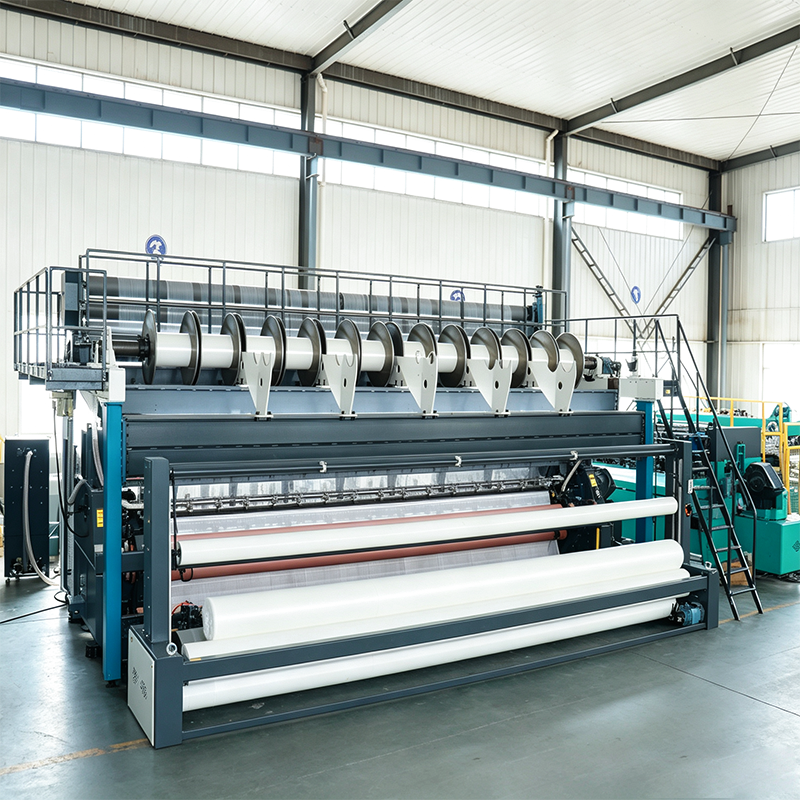
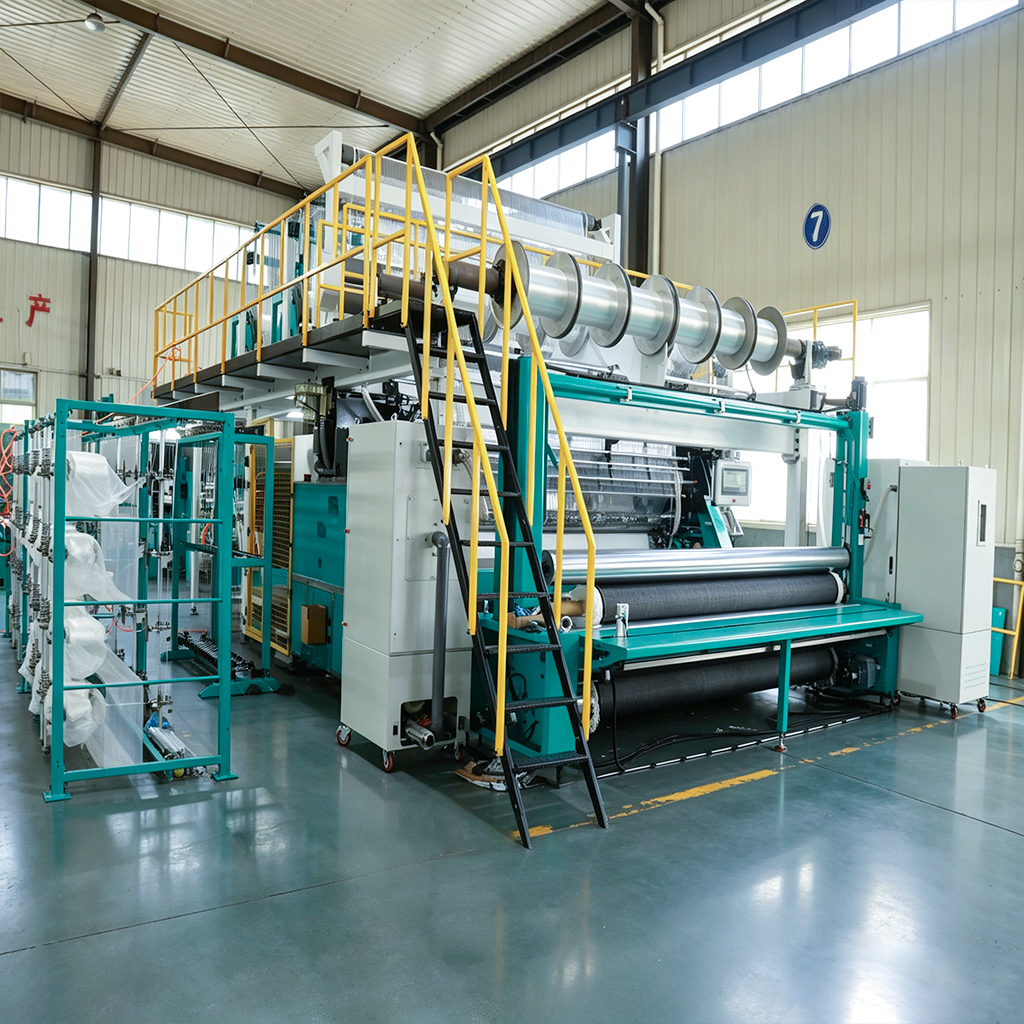
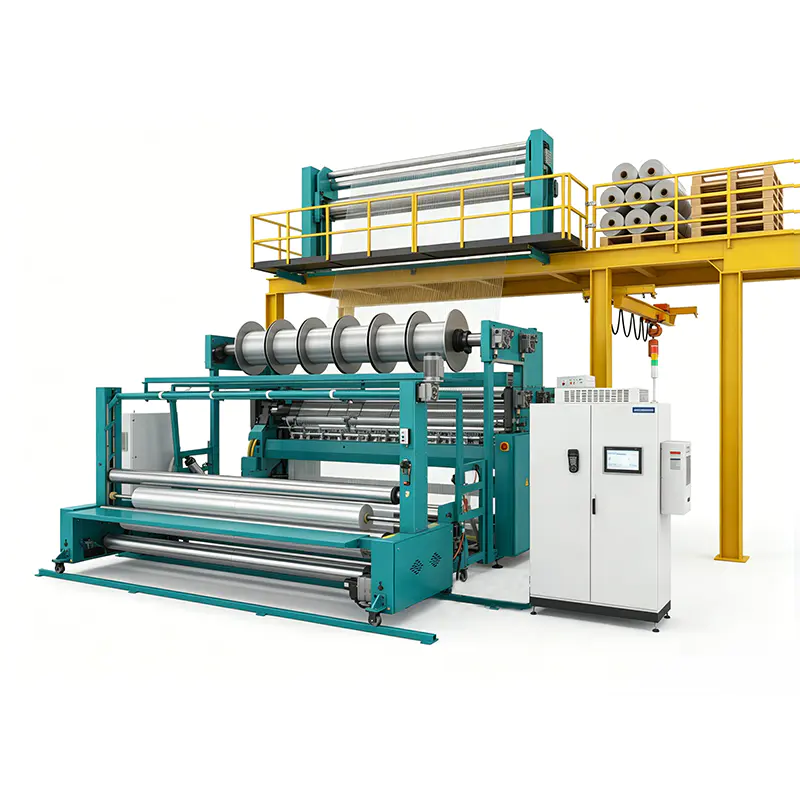
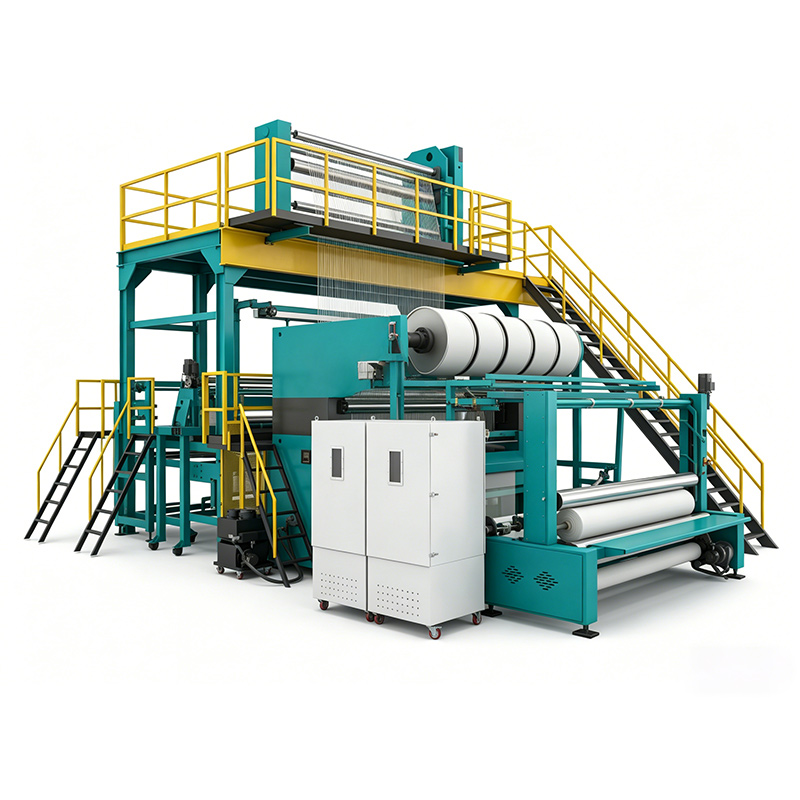
The TM Towel Machine is a specialized terry warp knitting machine developed for producing single-sided and double-sided loop pile fabrics. Its operating concept is based on a dual guide bar division of functions combined with sinker-assisted loop formation. This configuration gives manufacturers greater flexibility when producing terry fabrics similar to those traditionally associated with Superpol and Liropol machines, while supporting modern requirements for production efficiency, fabric consistency, customization, and line integration.
Designed for bamboo fiber, microfiber, and related yarn constructions, the machine is suitable for cleaning towels, hotel and household textiles, and EPE foam composite fabrics. It is available in standard working widths of 3500 mm and 4500 mm, with a reference speed range of 50 to 600 revolutions per minute. Reference daily output is approximately 200 kg for the 3500 mm configuration and 240 kg for the 4500 mm configuration, although actual production depends on fabric construction, yarn specifications, machine settings, and finishing conditions.
The equipment is manufactured and supported by Changzhou Yuanyang Electromechanical Technology Co., Ltd., a textile machinery producer based in Jiangsu Province, China. The company combines research and development, machining, assembly, testing, commissioning, and technical service within an integrated manufacturing and support system. Its broader product portfolio includes stitch-bonding machines, biaxial and multiaxial warp knitting machines, carbon fiber textile equipment, powder scattering machines, web laying machines, and customized warp knitting accessories.
1. The Role of Specialized Terry Warp Knitting Equipment
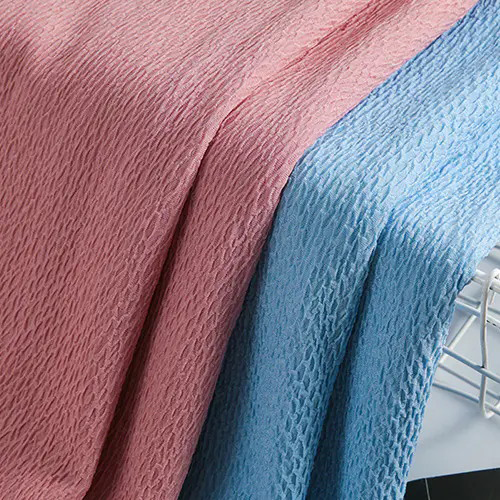
Terry fabric is characterized by looped yarns that project from one or both sides of a base structure. These loops create a larger surface area than a flat textile, improving liquid absorption, softness, wiping performance, and tactile comfort. The same loop structure can also provide cushioning, insulation, and mechanical interlocking when the fabric is combined with a foam or backing layer.
In a conventional flat warp knitted fabric, the primary objective is to create stable knitted courses and wales with a controlled surface. Terry production introduces another requirement: the machine must deliberately form and retain loops of a defined height and density. The loops must remain open and uniform while the base fabric remains stable enough for take-down, winding, cutting, bonding, or subsequent finishing.
This creates several technical challenges. The yarn must be delivered at a controlled rate. The guide bars must perform their respective movements with accurate timing. Sinker action must support loop formation without damaging or crushing the loops. The take-down system must apply enough force to stabilize the fabric but not so much that it reduces pile height. The working width must remain consistent across the machine, and the structure must be repeatable from one production roll to the next.
A machine designed only for one fixed pile structure may limit a factory’s ability to respond to different orders. A machine that lacks adequate control over loop formation may produce uneven absorbency, irregular appearance, or weak areas in the fabric. The TM Towel Machine addresses these issues through a configuration that separates guide bar functions and uses sinker-assisted loop formation to support both single-sided and double-sided terry structures.
2. Product Overview
The TM Towel Machine is a terry warp knitting machine for producing loop pile fabrics in different construction formats. Its main product advantage is structural flexibility. Depending on the selected setup, the machine can produce a loop pile on one side of the fabric or on both sides. This allows one production platform to serve multiple product categories rather than being restricted to a single terry construction.
The dual guide bar division of functions is central to this capability. Each guide bar performs a defined role in the knitting and pile-forming process. The division allows the machine to coordinate the base structure and pile yarn movements more precisely than a simplified arrangement. The machine can therefore be configured around the intended fabric construction, yarn count, loop height, and surface requirements.
Sinker-assisted loop formation provides another important functional advantage. The sinker supports the formation and positioning of loops during the knitting cycle. This helps the machine produce a more controlled pile structure, particularly when the customer requires stable loop height and uniform surface density across a wide working width.
| Technical item | Reference specification | Production significance |
|---|---|---|
| Machine type | Terry warp knitting machine | Designed for loop pile fabric production |
| Loop construction | Single-sided or double-sided | Supports multiple product formats on one platform |
| Guide bar system | Dual guide bar division of functions | Separates knitting and pile-related functions for controlled formation |
| Loop formation | Sinker-assisted | Supports stable pile height and surface uniformity |
| Machine speed | 50–600 r/min | Speed can be selected according to fabric structure and yarn conditions |
| Standard working width | 3500 mm or 4500 mm | Allows selection based on fabric width and downstream equipment |
| Reference output | Approximately 200 kg or 240 kg per day | Actual output depends on construction and process settings |
| Applicable fibers | Bamboo fiber and microfiber | Suitable for absorbent and fine-denier cleaning textile products |
The product is intended for customers who need a dependable terry production platform rather than a basic knitting machine adapted for occasional loop production. It is suitable for new lines, capacity expansion projects, replacement of older equipment, and factories that want to broaden their product range without installing separate machines for every pile configuration.
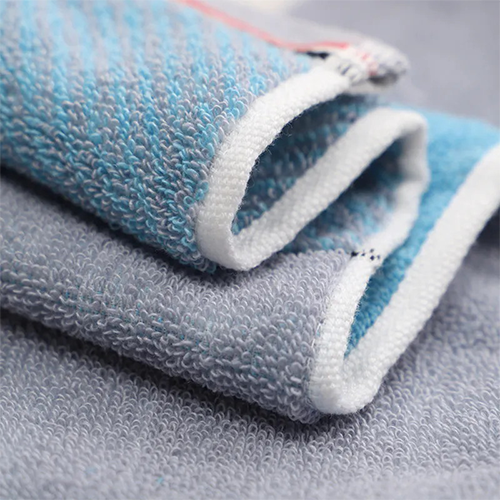
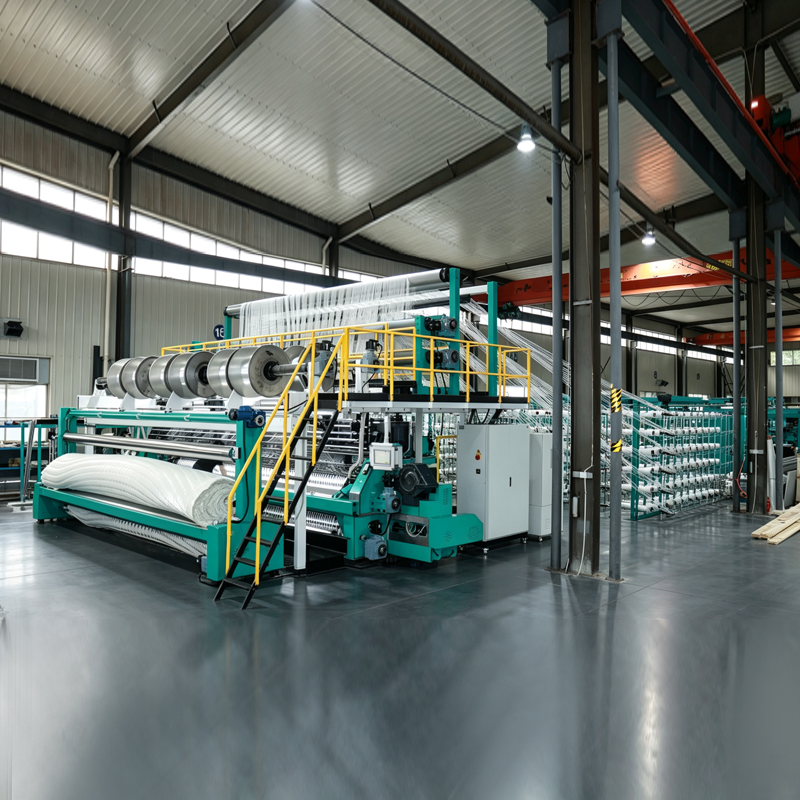
TM Towel Machine
3. Fabric Structures and End Products
3.1 Single-Sided Loop Pile Fabrics
Single-sided terry fabrics have loops concentrated on one face while the opposite face is primarily formed by the base structure. This construction is useful when the product requires an absorbent or soft working surface with a more stable or flatter reverse side. The structure can be used for cleaning cloths, wiping products, laminated materials, and composite textiles.
Single-sided fabrics can also be processed further through brushing, bonding, printing, coating, cutting, or attachment to another substrate. The flat side may simplify bonding or handling, while the loop side provides the desired functional surface. The machine’s adjustable configuration allows manufacturers to determine the pile arrangement according to the intended application.
3.2 Double-Sided Loop Pile Fabrics
Double-sided terry fabrics have loop surfaces on both sides. This configuration increases the available surface area and can improve wiping performance, softness, and bulk. It is suitable for towels, household cleaning materials, hotel textiles, and products where both sides need a soft or absorbent finish.
Producing loops on both sides requires careful coordination. The machine must maintain the relationship between the two surfaces while preserving the stability of the central knitted structure. The dual guide bar system and sinker-assisted formation help the machine coordinate the pile elements with the base fabric. Proper setup remains essential, because yarn type, loop height, fabric weight, and take-down conditions all influence the final result.
3.3 Bamboo Fiber Terry Fabrics
Bamboo fiber is often selected for cleaning and household textile applications because of its soft handle and moisture-related performance. It can be processed into terry structures that provide a comfortable touch and effective wiping action. However, the performance of bamboo fiber depends on the yarn construction and process settings. Excessive tension can reduce loop height, while inadequate control can lead to uneven surfaces or unstable fabric edges.
The machine can be configured for bamboo fiber applications by reviewing the yarn count, yarn package characteristics, target pile height, fabric weight, and desired width. These factors are considered before production so that yarn let-off, guide bar movement, sinker selection, and take-down settings are aligned with the fabric design.
3.4 Microfiber Terry Fabrics
Microfiber yarns are commonly used for cleaning products because their fine filaments can create a large effective surface area. A terry structure made with microfiber can provide good contact with dust, moisture, and surface contaminants. The fabric is often used for rapid household cleaning, vehicle care, hospitality service, and industrial wiping products.
Fine-denier yarns can also be more sensitive to tension variation and mechanical damage. The machine must therefore maintain smooth yarn handling and stable loop formation. Guide bar timing, sinker condition, yarn path cleanliness, and take-down tension all contribute to consistent microfiber fabric quality.
3.5 EPE Foam Composite Fabrics
The machine can also be used to produce terry fabrics for EPE foam composite materials. In this type of application, the loop pile textile may be bonded to expanded polyethylene foam or used as a surface layer in a composite construction. The textile provides a fibrous, soft, or functional face, while the foam contributes lightweight cushioning, separation, or protection.
Composite production places specific demands on fabric uniformity. Excessive variation in pile height can affect adhesive coverage and final thickness. Uneven fabric weight can also create differences in the composite surface. A stable terry base produced under controlled conditions helps downstream laminating and bonding operations achieve more consistent results.
4. Main Advantages Compared with Less Specialized Equipment
4.1 Flexible Single- and Double-Sided Production
One of the strongest advantages of the TM Towel Machine is the ability to produce both single-sided and double-sided loop pile fabrics. A competitor machine designed for only one configuration may require a separate production platform when a customer changes from a one-sided wiping cloth to a two-sided towel. This increases capital investment, installation requirements, spare part variety, and operator training needs.
With a configurable dual guide bar arrangement, manufacturers can adapt the machine to different terry structures at the project stage. This does not mean that every structure can be changed instantly without setup. Rather, it means that the machine platform is designed to accommodate more than one pile format and can be engineered around the required fabric construction.
4.2 Controlled Loop Formation
Sinker-assisted loop formation provides a dedicated mechanism for supporting the pile during the knitting cycle. On less specialized equipment, loop quality may depend heavily on a narrow operating window or on manual adjustment. This can make it difficult to maintain uniformity when yarn conditions change.
The sinker system helps create a more repeatable relationship between the yarn, knitting elements, and developing loop. When combined with appropriate yarn tension and take-down settings, it supports stable loop height, density, and surface appearance. These qualities are particularly important for towels and microfiber cleaning products, where an uneven pile is immediately visible and can affect performance.
4.3 Wide Working Widths
The availability of 3500 mm and 4500 mm working widths allows customers to select a machine that matches their production plan. A wider machine can increase output potential and reduce the number of longitudinal seams or cuts required for certain products. It may also improve the economics of large orders when the downstream finishing line is designed for wide fabric rolls.
Working width must be considered together with the final product dimensions, cutting plan, roll handling equipment, and factory layout. The wider configuration is not automatically the best choice for every customer. The correct selection depends on the desired fabric width, production volume, available space, energy and utility planning, and downstream finishing capacity.
4.4 Broad Speed Range
The reference speed range of 50 to 600 r/min gives the user room to balance productivity and fabric quality. A high speed can increase output when the fabric construction, yarn, and machine condition permit it. A lower speed may be appropriate for high pile, delicate yarns, complex structures, or initial commissioning.
Speed should not be considered independently. It must be coordinated with yarn let-off, guide bar movement, loop formation, take-down, fabric weight, and the desired production stability. The ability to operate across a broad range allows the machine to be adjusted for different products instead of forcing every fabric design into one fixed speed setting.
4.5 Adaptability to Modern Cleaning Textile Materials
Bamboo fiber and microfiber represent different processing challenges. Bamboo fiber may require careful tension management to preserve softness and pile development. Microfiber may require stable handling to prevent filament damage and maintain surface density. A machine configured around the target yarn rather than a generic standard can give the customer better control over final fabric quality.
This material adaptability is important because cleaning textile markets are not limited to one yarn type. Customers may need to offer standard microfiber cloths, premium bamboo fiber towels, composite wiping products, and specialized hotel textiles. Equipment that can support several material categories gives the factory greater commercial flexibility.
4.6 Integration with Other Warp Knitting Equipment
The TM Towel Machine can form part of a broader textile machinery plan. A factory producing terry fabrics may also need stitch-bonding machines for nonwoven and bonded structures, biaxial or multiaxial machines for reinforcement materials, or web laying and powder scattering systems for composite production. A supplier with experience across these categories can better understand the relationships among knitting, bonding, laying, and finishing operations.
This broader engineering perspective is useful when the customer is developing a complete line rather than purchasing a stand-alone machine. It can help clarify fabric flow, roll handling, line interfaces, operator access, utility requirements, and future expansion plans.
5. Engineering Configuration for a Specific Fabric
Terry machinery should be configured from the fabric target backward. The starting point is not simply the desired machine speed or width. The engineering team needs to understand what the fabric must do, how it will be processed, and which characteristics determine acceptance.
| Project information | Engineering purpose |
|---|---|
| Fabric sample or construction drawing | Defines the pile arrangement, base structure, loop height, and density |
| Single-sided or double-sided requirement | Determines the guide bar and pile-forming configuration |
| Yarn type and count | Supports let-off, tension, sinker, and guide selection |
| Target fabric weight | Helps establish production parameters and output expectations |
| Finished width | Determines whether the 3500 mm or 4500 mm frame is appropriate |
| Daily output requirement | Provides a basis for speed, shift pattern, and line capacity planning |
| Downstream process | Ensures compatibility with bonding, cutting, finishing, or winding systems |
| Workshop layout | Supports foundation, access, material flow, and utility planning |
The fabric sample or construction drawing is particularly important. It provides a reference for pile height, stitch arrangement, fabric weight, and surface appearance. If the customer has no final sample, the engineering team can work from a product description and performance target, but additional trials may be required before the construction is finalized.
Yarn information is equally important. The same machine setting will not produce the same result with every yarn. Yarn count, filament configuration, material composition, twist, elasticity, package quality, and friction characteristics all affect loop formation. The let-off and tension system must be selected and adjusted accordingly.
Downstream processing should also be considered at the beginning. A fabric intended for cutting into household cloths may require different edge and roll characteristics from fabric intended for lamination to EPE foam. A towel for hotel use may have different pile and weight requirements from a technical composite facing. Early coordination reduces the risk of purchasing a machine that produces a technically acceptable fabric but does not fit the rest of the production line.
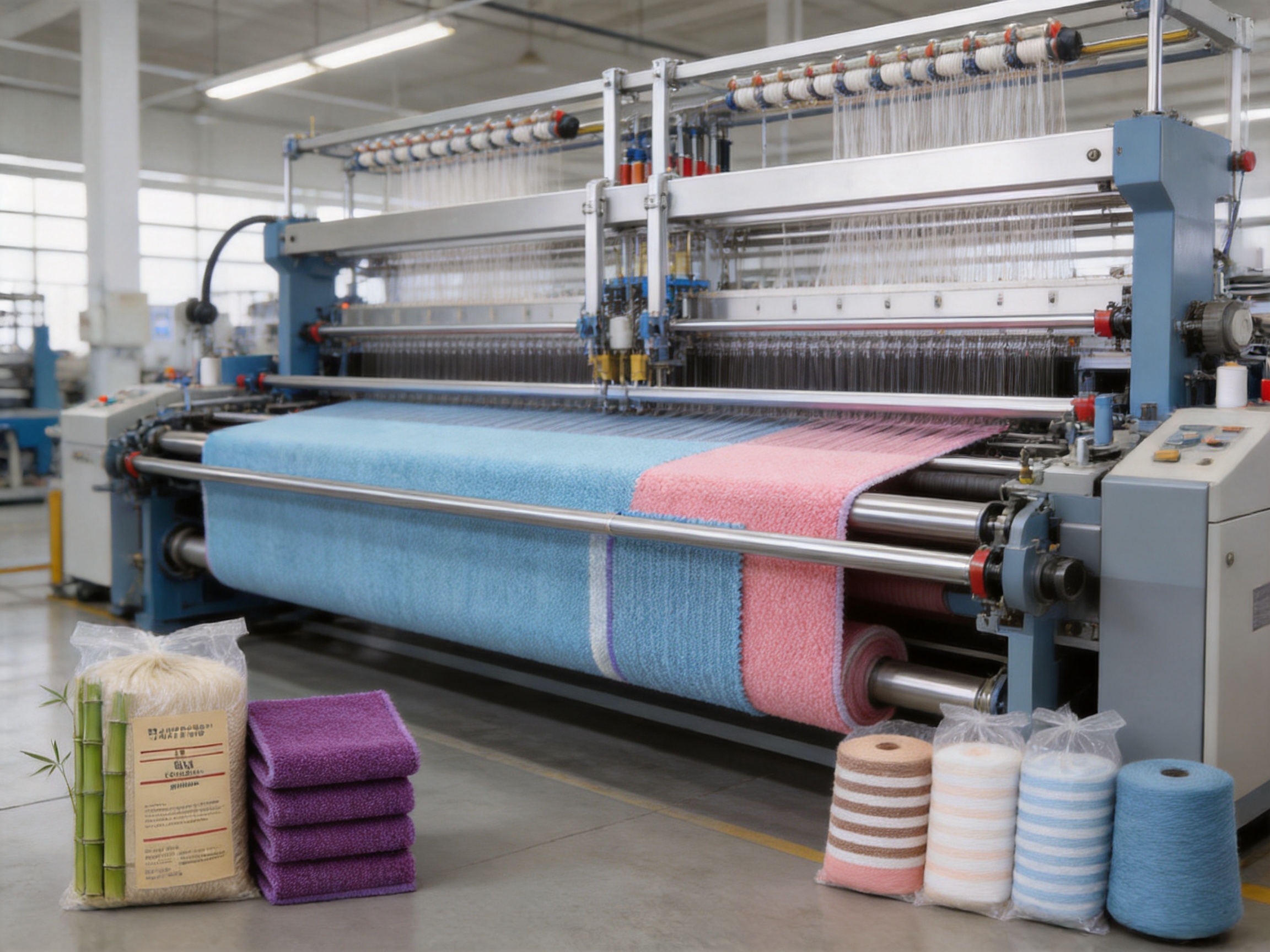
6. Manufacturing Strengths and Quality Control
The performance of a terry warp knitting machine depends not only on the design concept but also on manufacturing accuracy. Guide bars, sinkers, needles, drive systems, yarn handling components, frames, and take-down assemblies must work together with precise timing. Poor machining or inconsistent assembly can create vibration, uneven fabric formation, premature wear, and difficult commissioning.
Changzhou Yuanyang Electromechanical Technology Co., Ltd. integrates research and development, production, assembly, testing, sales, and service. This integrated structure allows technical decisions to be followed through the complete manufacturing process. Design personnel can communicate directly with machining and assembly teams, while service feedback can be incorporated into future equipment improvements.
6.1 Research and Development
The company maintains an engineering team with experience in textile machinery and specialty equipment. Its development work focuses on practical production requirements, including complex fabric designs, non-standard configurations, difficult-to-process materials, and long-term machine stability.
For terry equipment, research and development involves more than producing a nominal machine speed. It includes the relationship among guide bar movement, sinker geometry, yarn path, pile formation, base fabric stability, take-down, and operator adjustment. The objective is to create a machine that can be configured for real production conditions rather than only for laboratory demonstrations.
6.2 Precision Machining and Component Preparation
Machine components must be produced to consistent dimensions so that they can be assembled and adjusted accurately. Precision machining supports the alignment of frames, guide systems, knitting elements, drive components, and fabric take-down assemblies. Consistency is particularly important when equipment is produced in different working widths or with customer-specific configurations.
Component preparation also affects maintenance. Parts that are accessible, replaceable, and manufactured to stable tolerances are easier for operators and service personnel to inspect. This can reduce the time required for routine maintenance and simplify the management of spare parts.
6.3 Controlled Assembly
Assembly is performed as a coordinated process rather than as a collection of unrelated installation tasks. Frame alignment, guide bar positioning, sinker installation, drive adjustment, yarn path setup, and control system connection must be completed in the correct sequence. The machine must then be checked for smooth mechanical movement and appropriate operating clearance.
For a terry machine, assembly quality directly influences fabric quality. Small alignment errors can affect loop consistency across the width. Incorrect timing can create missed loops, uneven pile, or damage to knitting elements. Controlled assembly and systematic adjustment help reduce these risks before the machine reaches the customer’s factory.
6.4 Factory Testing and Debugging
Each machine is assembled and tested at the company’s Danyang production base before dispatch. Pre-delivery verification covers operating speed, loop formation, fabric appearance, mechanical movement, control functions, and safety systems. Testing provides an opportunity to identify and correct issues before installation at the customer’s site.
Where required, testing can be arranged around the customer’s yarn and fabric construction. This is especially useful when the project involves a specialized pile height, unusual material, or composite application. A production-oriented test gives the customer a clearer understanding of the expected machine behavior and provides a practical basis for acceptance.
6.5 Process-Based Quality Control
Quality control is more effective when it is applied throughout procurement, machining, assembly, testing, and debugging rather than only at the final inspection stage. Incoming component checks, dimensional verification, assembly records, operating tests, and fabric evaluations all contribute to final reliability.
The company’s manufacturing approach is intended to control the complete process. This is important for customized machinery because non-standard configurations may not be fully covered by a generic inspection checklist. The project team must confirm that the actual machine corresponds to the approved technical specification and fabric target.
7. Installation and Production Preparation
A terry warp knitting machine should be installed on a level, stable floor with suitable vibration isolation. The foundation must support the machine frame and maintain alignment during operation. Adequate clearance is required for beam loading, yarn threading, fabric take-down, roll removal, inspection, cleaning, and maintenance.
Before shipment, the supplier and customer should confirm the workshop layout. This includes the machine position, material flow, yarn storage, beam transport route, finished roll handling, operator access, electrical supply, compressed air requirements, ventilation, lighting, and emergency access. Planning these details in advance can prevent costly changes after installation.
7.1 Mechanical Alignment
During installation, the machine frame is levelled and aligned before production testing. The guide bars, sinkers, needles, and take-down system are checked in relation to the main frame. Any deviation can influence fabric width, pile uniformity, or mechanical wear.
7.2 Yarn Path Preparation
Yarn packages should be positioned to provide a clean and controlled route to the machine. Excessive friction, sharp bends, contamination, and unstable package placement can affect yarn tension. Operators should be trained to identify damaged yarn, incorrect threading, and abnormal tension before starting production.
7.3 Control and Safety Verification
Control functions, guarding, emergency stop circuits, access doors, and interlocking systems must be verified before the machine is released for production. Operators should understand the correct start-up and shut-down sequence, as well as the conditions that require an immediate stop.
7.4 Trial Production
Initial production normally begins at a controlled speed. The engineering team checks fabric width, loop formation, density, pile height, tension, take-down, and surface appearance. Adjustments are made gradually so that the effect of each change can be understood. Once the fabric is stable, the operating speed can be increased toward the planned production level.
8. Operation and Process Optimization
Consistent terry production requires operators to monitor both the machine and the fabric. Important observations include yarn tension, pile appearance, fabric edge condition, machine vibration, noise, temperature, lubrication, and roll formation. Early recognition of changes can prevent a small adjustment issue from becoming a large quantity of defective fabric.
Machine speed should be selected according to the fabric structure. High-speed operation may be suitable for stable, well-understood constructions, but complex pile structures may require a lower speed. The objective is not to achieve the highest nominal speed in every case; it is to achieve the best combination of output, quality, machine stability, and operating cost.
Take-down tension has a direct effect on fabric dimensions and pile development. Excessive tension can flatten loops and reduce the softness or absorbency of the fabric. Insufficient tension can cause unstable fabric handling, irregular width, or poor roll formation. The correct setting must be determined through trial production and confirmed against the approved fabric sample.
Guide bar and sinker timing should be checked when the fabric construction changes or when a quality issue appears. Operators and maintenance personnel should not compensate for mechanical timing problems only by changing yarn tension or speed. Correct diagnosis is important because an incorrect adjustment may hide the original fault and create another defect.
Fabric inspection should be carried out continuously during production. Depending on the product, inspection may include pile height, loop density, fabric weight, width, appearance, absorbency, dimensional stability, and bonding performance. Quality records can help identify trends and improve repeatability between production runs.
9. Maintenance and Serviceability
Regular maintenance protects both fabric quality and machine life. Terry machines are sensitive to wear in guide bars, sinkers, needles, yarn guides, and related moving elements. These parts should be inspected according to a planned schedule rather than only after a visible defect occurs.
9.1 Daily Checks
Daily checks may include cleaning lint and fiber deposits, inspecting yarn paths, observing lubrication points, checking abnormal noise, reviewing safety devices, and examining fabric appearance. Operators should record any changes in pile height, density, width, or surface uniformity.
9.2 Routine Mechanical Inspection
Routine service includes guide bar cleaning, sinker inspection, needle replacement when required, lubrication, tension calibration, and checking the take-down system. Fasteners, guards, drive components, and alignment points should also be examined according to the maintenance plan.
9.3 Spare Parts Planning
Spare parts planning is particularly important for components that directly influence loop formation. Maintaining suitable replacement parts can reduce downtime and allow worn elements to be changed before they damage other components or affect a large production quantity.
9.4 Technical Training
Operator and maintainer training supports long-term serviceability. Training can cover threading, beam changes, start-up, shut-down, loop fault recognition, basic adjustment, cleaning, lubrication, and safe access. The objective is to ensure that the customer’s team can manage routine activities independently while knowing when to request specialist support.
Support is available through spare parts supply, remote technical guidance, installation, commissioning, and on-site service. Training may be provided at the manufacturer’s facility or at the customer’s production site, depending on project requirements.
10. Acceptance Standards and Customer Confidence
Machine acceptance should be based on an agreed technical specification and fabric sample. A clear acceptance standard reduces ambiguity and allows both the supplier and customer to evaluate the machine against the same criteria.
| Acceptance area | Typical evaluation |
|---|---|
| Loop structure | Single-sided or double-sided formation according to the approved construction |
| Pile height | Measured or visually confirmed against the target range |
| Loop density | Checked across the fabric width and along the production length |
| Fabric width | Compared with the specified working and finished width |
| Surface uniformity | Inspected for bars, gaps, crushed loops, or irregular areas |
| Output reference | Reviewed in relation to speed, yarn type, construction, and process conditions |
| Machine operation | Checked for stable movement, control response, and safe operation |
Output figures should always be interpreted in context. The reference output of approximately 200 kg for the 3500 mm machine and 240 kg for the 4500 mm machine is not an unconditional guarantee for every fabric. A high-pile, heavy, delicate, or complex construction may require a different speed and therefore produce a different daily quantity. Transparent output planning is more useful than quoting a single figure without explaining the process conditions.
Where the customer provides its own yarn, a trial using that yarn can provide additional confidence. It allows the parties to evaluate the actual interaction among yarn behavior, machine settings, pile formation, and fabric appearance. This is especially valuable for microfiber, bamboo fiber, and composite textile projects.
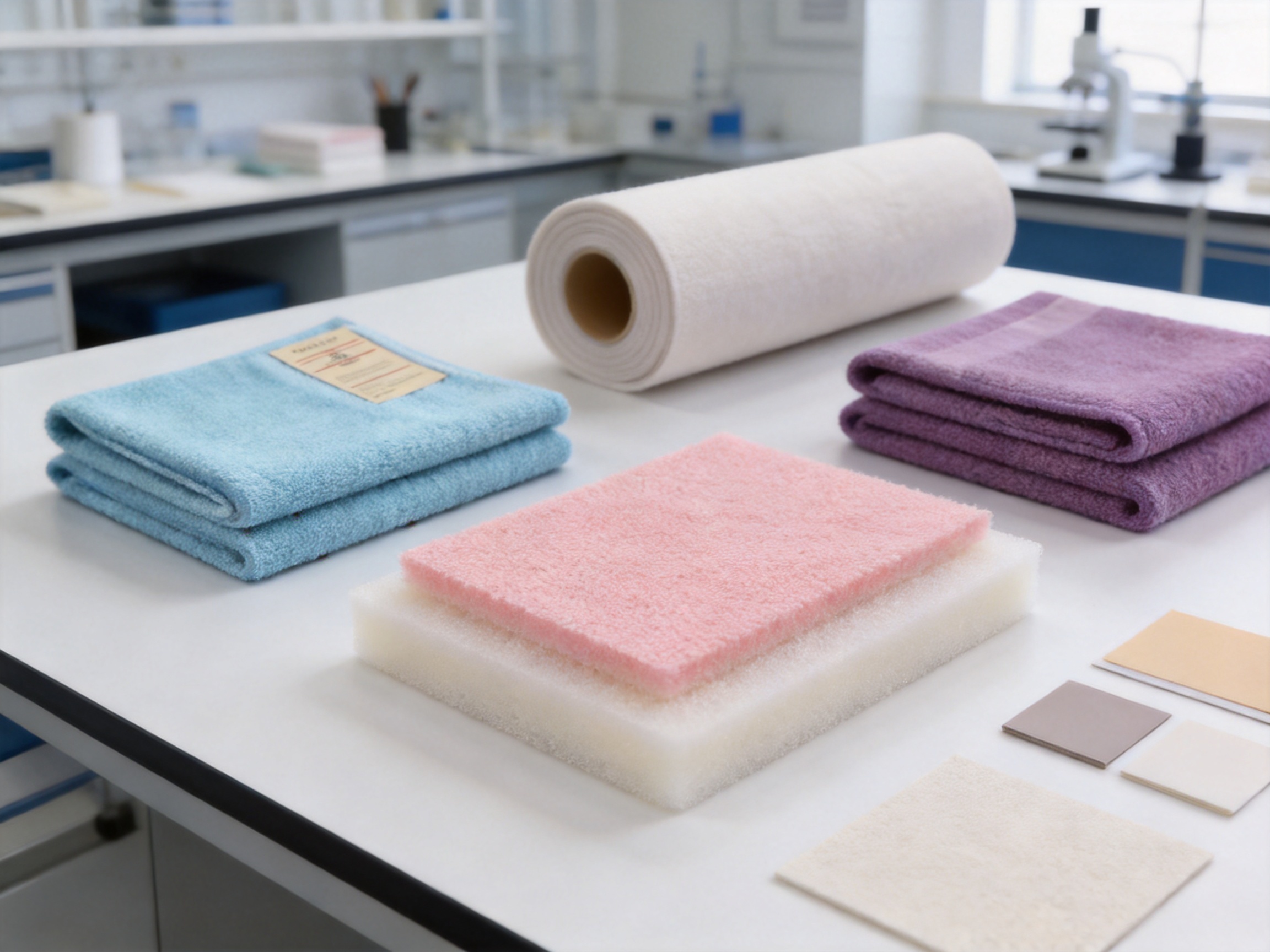
11. Applications in Hospitality, Household and Technical Textiles
11.1 Hotel and Hospitality Products
Hotels and hospitality facilities require textiles that are soft, durable, absorbent, and visually consistent. Terry fabrics may be used for towels, cleaning cloths, service textiles, and other products exposed to frequent washing and handling. A stable loop structure helps the fabric retain a uniform surface and functional performance throughout its service life.
The selection between single-sided and double-sided construction depends on the product. Double-sided pile may be preferred when both surfaces require softness and absorbency. Single-sided pile may be selected when the reverse face must be flatter for bonding, printing, or handling.
11.2 Household Rapid-Cleaning Products
Household cleaning products often require a balance of absorbency, wiping efficiency, softness, and fast drying. Microfiber terry fabrics can be designed for kitchen cleaning, bathroom cleaning, glass wiping, furniture care, automotive use, and general surface maintenance.
The machine’s ability to support different loop structures allows manufacturers to develop product variations for different cleaning tasks. A higher or denser pile may provide greater surface contact, while a lower pile may be easier to wash, dry, or laminate.
11.3 Industrial and Protective Materials
Terry fabrics used in composite or protective products can provide cushioning, separation, surface protection, or a soft contact layer. When bonded to EPE foam, the textile may contribute improved handling, appearance, and surface functionality.
In technical applications, fabric uniformity becomes especially important because it influences bonding thickness, dimensional stability, and final product tolerances. A consistent knitted base provides a more reliable starting point for downstream composite production.
12. Why Manufacturer Experience Matters
Purchasing a terry warp knitting machine involves more than selecting a speed and width. The supplier must understand machine design, fabric construction, yarn behavior, installation, commissioning, spare parts, and after-sales support. A machine may be technically capable of producing a fabric, but the customer also needs practical assistance to reach stable production.
Changzhou Yuanyang Electromechanical Technology Co., Ltd. has experience in specialized textile equipment and customized machinery. Its product range covers several warp knitting and composite textile processes, allowing the engineering team to work with customers whose factories contain multiple types of equipment.
The company’s strength is particularly relevant for non-standard projects. Customers may require an unusual fabric width, a complex pile structure, integration with an existing finishing line, or processing of a difficult material. The company’s focus on custom configurations, precision accessories, and special equipment supports a project-based approach rather than a one-size-fits-all sales model.
Manufacturing in an established textile machinery region also provides access to technical labor, component suppliers, machining resources, and industry experience. Combined with internal assembly and testing, this creates a foundation for continuous improvement and responsive service.
13. Project Development Process
A successful project typically begins with a technical discussion rather than an immediate quotation. The customer provides the fabric target, yarn information, width, output, application, and workshop conditions. The engineering team reviews these details and identifies the appropriate machine configuration.
The next stage may include drawing review, fabric analysis, process consultation, and confirmation of guide bar and sinker arrangements. If the design is specialized, the customer and supplier should agree on the acceptance sample and quality criteria before manufacturing begins.
During production, the machine is assembled and tested at the manufacturing facility. Where appropriate, the supplier runs the machine with representative yarn and fabric settings. After shipment, installation and commissioning are completed at the customer’s site, followed by operator and maintainer training.
Long-term support continues through spare parts, technical guidance, maintenance recommendations, and assistance with new fabric developments. This is important because many customers expand their product range after the first machine is installed. A supplier that understands the original configuration can provide more efficient advice when the customer develops a new terry structure.
14. Frequently Asked Questions
What type of fabric does the machine produce?
The machine produces terry warp knitted fabrics with single-sided or double-sided loop pile. Typical products include cleaning towels, hotel and household terry textiles, microfiber cloths, bamboo fiber fabrics, plush materials, and textiles used in EPE foam composite structures.
Can one machine produce both single-sided and double-sided terry?
Yes. The machine is designed with a dual guide bar division of functions and sinker-assisted loop formation so that it can be configured for both single-sided and double-sided loop pile fabrics. The precise setup depends on the approved fabric construction and should be confirmed before production.
What fibers are suitable for the machine?
The stated applicable fibers include bamboo fiber and microfiber. Other yarns may be considered after reviewing their count, structure, strength, friction characteristics, elasticity, and processing requirements. A fabric sample or yarn specification is recommended for project evaluation.
What working widths are available?
The standard working widths are 3500 mm, equivalent to approximately 138 inches, and 4500 mm, equivalent to approximately 177 inches. The correct choice depends on the finished fabric width, cutting plan, output requirement, workshop space, and downstream equipment.
What is the machine speed?
The reference operating range is 50 to 600 r/min. The appropriate speed depends on the pile structure, yarn type, fabric weight, tension, machine condition, and quality target. Maximum speed should not be treated as the correct speed for every fabric.
What is the expected daily output?
The reference daily output is approximately 200 kg for the 3500 mm configuration and approximately 240 kg for the 4500 mm configuration. These figures are for reference only. Actual output varies according to fabric construction, yarn type, process settings, operating hours, efficiency, and finishing requirements.
Can the machine be used for microfiber cleaning cloths?
Yes. Microfiber is one of the stated applicable materials. Because fine-denier yarns can be sensitive to tension and mechanical handling, the machine should be configured and tested according to the yarn specification and target cleaning performance.
Can it produce fabric for EPE foam composites?
Yes. The machine can produce loop pile fabrics used as textile surfaces or facing layers in EPE foam composite materials. The target pile height, fabric weight, bonding method, and downstream process should be reviewed when selecting the configuration.
How is the machine configured for a customer project?
Configuration is based on the fabric sample or construction drawing, yarn type and count, pile arrangement, desired width, output requirement, workshop layout, utilities, and downstream line interface. These details help determine the guide bar arrangement, sinker selection, operating parameters, and machine width.
Does the supplier provide installation and commissioning?
Installation, commissioning, technical guidance, spare parts support, and operator or maintainer training are available. Training may be arranged at the manufacturing facility or at the customer’s site according to the project plan.
What routine maintenance is required?
Routine maintenance includes guide bar cleaning, sinker inspection, needle replacement, lubrication, tension calibration, yarn path inspection, safety checks, and monitoring of the take-down system. A planned maintenance schedule helps protect both fabric quality and machine reliability.
How should machine acceptance be defined?
Acceptance should be based on an agreed fabric sample and technical specification. Typical criteria include loop type, pile height, loop density, fabric width, surface uniformity, operating stability, and output under defined yarn and process conditions.
What information should be provided when requesting a quotation?
The customer should provide a fabric sample or construction drawing, yarn type and count, single- or double-sided pile requirement, target width, expected output, intended application, workshop dimensions, available utilities, and downstream line information. The more complete the input, the more accurately the machine can be configured.
15. Conclusion
The TM Towel Machine is a specialized solution for manufacturers that need flexible and reliable terry warp knitting production. Its dual guide bar division of functions and sinker-assisted loop formation support both single-sided and double-sided loop pile fabrics. The machine is suitable for bamboo fiber, microfiber, cleaning towels, hotel textiles, household rapid-cleaning products, plush fabrics, and EPE foam composite materials.
Compared with less specialized equipment, it offers greater structural flexibility, controlled loop formation, broad speed adjustment, two wide working configurations, and compatibility with different modern cleaning textile materials. Its value is further strengthened by engineering support, factory testing, customized configuration, installation assistance, operator training, spare parts, and long-term technical service.
The manufacturing approach behind the machine combines research and development, precision component preparation, controlled assembly, pre-delivery testing, and process-based quality control. This integrated method helps ensure that the equipment is evaluated not only as a mechanical product but also as part of a complete fabric production process.
For customers considering a new terry line or upgrading existing capacity, the most effective starting point is a clear fabric target. A sample or construction drawing, together with yarn details, width, output, and downstream requirements, allows the machine to be configured for the actual production objective. With the correct engineering preparation and operating discipline, the equipment can provide a stable platform for producing high-quality loop pile textiles across household, hospitality, cleaning, and composite textile markets.
References
1. Technical product information for the TM Towel Machine, including machine speed, working width, applicable fibers, output references, and loop formation system.
2. Internal equipment specifications for terry warp knitting applications and customized textile machinery projects.
3. General principles of warp knitting machine design, guide bar movement, sinker-assisted loop formation, and knitted fabric construction.
4. Textile production guidelines for microfiber, bamboo fiber, terry fabrics, cleaning textiles, and composite fabric surfaces.
5. Manufacturing and service information concerning research and development, machining, assembly, testing, commissioning, spare parts, and operator training.
6. Customer project requirements for fabric samples, construction drawings, yarn specifications, working width, output planning, workshop utilities, and downstream line integration.
Product: TM Towel Machine

News
-
Two quotations land on the same desk. Both offer a multiaxial warp knitting line, both list the same working width, both promise high output. One buyer signs and discovers six months later that the f...
READ MORE -
A fabric engineer compares two swatches on a cutting table. One is a lightweight mesh that holds its shape, resists runs, and stretches very little. The other is a soft jersey that curls at the edges...
READ MORE -
Match the machine type to the fabric: choose a tricot Warp Knitting Machine for fine, smooth fabrics such as lining and sportswear, a raschel machine for open, patterned, and technical fabrics, a doub...
READ MORE -
Warp knitting is a combination of weaving methods in which the yarns meander along the length of the fabric; that is, they follow adjacent columns or wales, rather than a single row or course. For com...
READ MORE
-
Contact Info.
+86-198 5534 1617
+86-134 0158 3002yuanyang@yywarpknitting.com 699#, Shengzhi West Rd, Lvcheng Town, Danyang City, Zhenjiang City, Jiangsu Province, China

-
QR Code
-
Quick Links
Home About Products Manufacturing Customization News Contact -
Product List
Machine for Chemical Fiber Textile Machine for Fiberglass Textile Machine for Carbon Fiber Textile -
About Us
Company Profile Factory Gallery Value-added Service
Copyright © 2026 Changzhou Yuanyang Electromechanical Technology Co., Ltd. All Rights Reserved.
Custom Warp Knitting Machine Manufacturers
