

 English
 中文简体
 русский
 Français
 Español
 Deutsch

TM Towel Machine: Advanced Terry Warp Knitting Technology for Single- and Double-Sided Loop Fabrics
2026-10-29
Content
- 1 Understanding the Role of a Terry Warp Knitting Machine
- 2 Product Applications and Fabric Types
- 3 Core Technical Specifications
- 4 Advantages of the Dual Guide Bar and Sinker-Assisted Structure
- 5 Advantages Compared with Less Specialized Equipment
- 6 Advanced Manufacturing Process and Quality Control
- 7 Configuration Options for Different Production Requirements
- 8 Installation and Commissioning
- 9 Operator Training and Production Management
- 10 Maintenance and Spare Parts
- 11 Quality Acceptance and Fabric Verification
- 12 Why Choose an Integrated Textile Machinery Manufacturer
- 13 Project Planning Checklist
- 14 Frequently Asked Questions
- 14.1 What products can the TM Towel Machine produce?
- 14.2 Can it produce both single-sided and double-sided terry fabrics?
- 14.3 What fibers are suitable for this machine?
- 14.4 What are the standard working widths?
- 14.5 What is the machine speed?
- 14.6 What is the expected daily output?
- 14.7 How does sinker-assisted loop formation improve production?
- 14.8 Can the machine be customized for a particular terry construction?
- 14.9 Can the machine produce EPE foam composite fabrics?
- 14.10 What should be prepared before installation?
- 14.11 What training is provided?
- 14.12 How are machine acceptance criteria defined?
- 14.13 What after-sales service is available?
- 14.14 How should a customer begin a project?
- 15 Conclusion
- 16 References
- 17 Product: TM Towel Machine
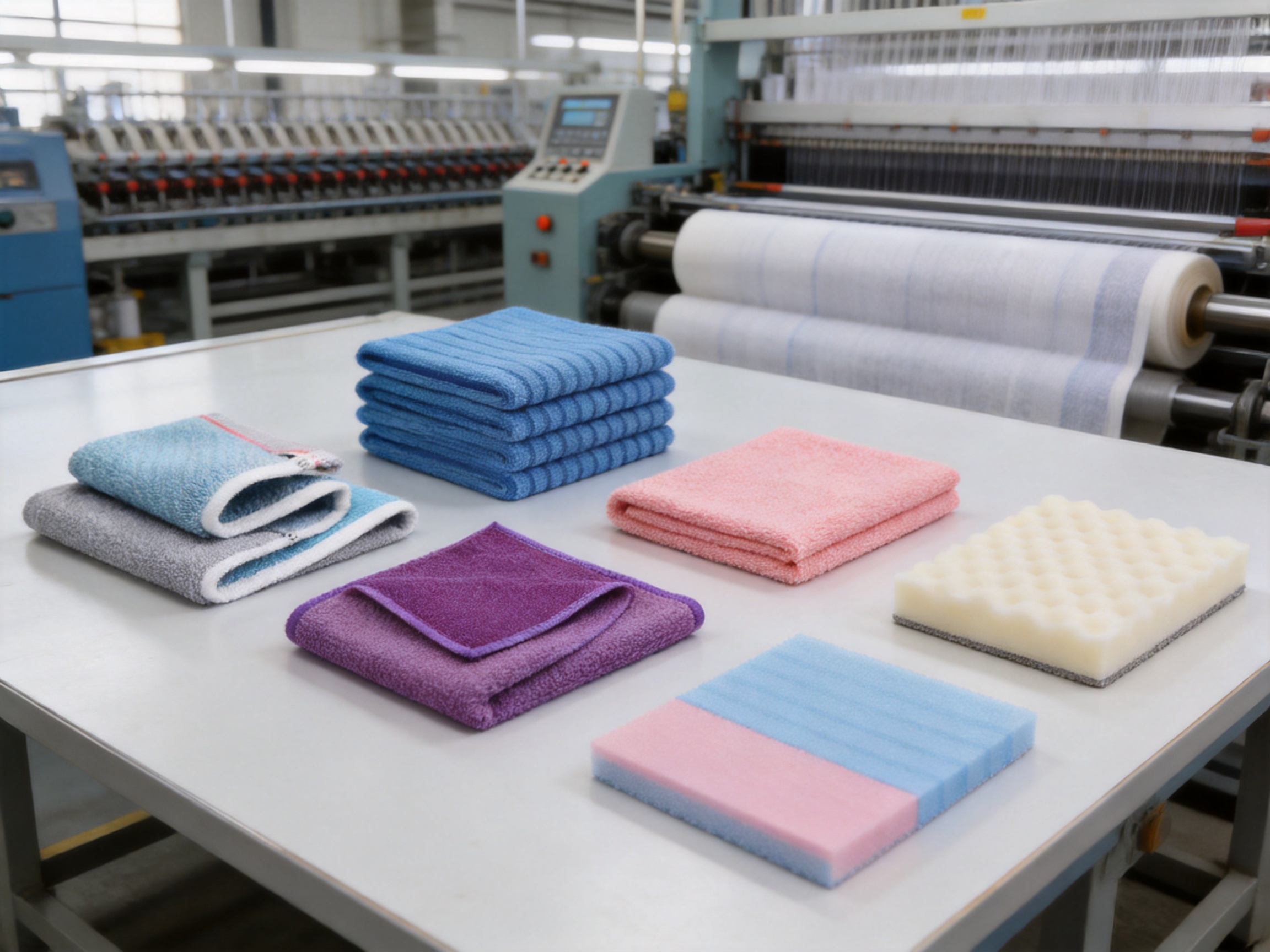
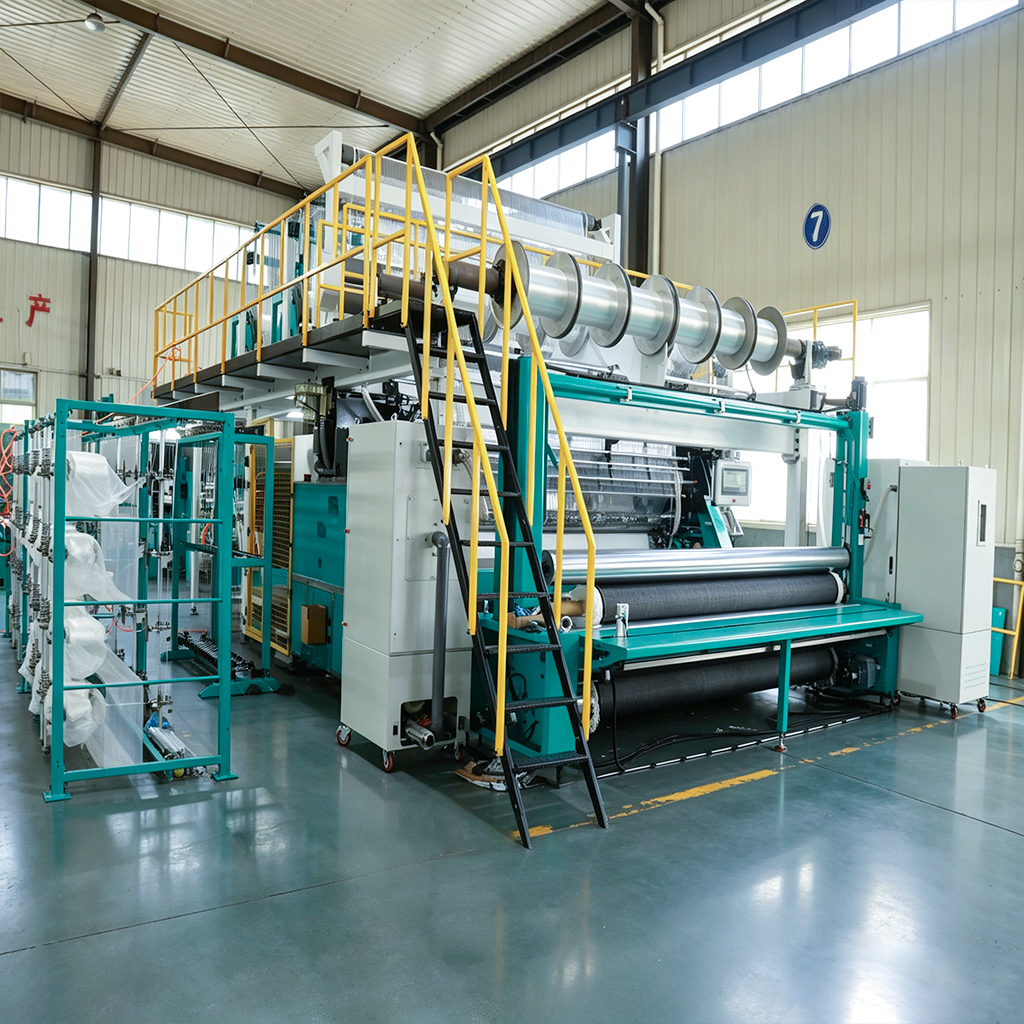
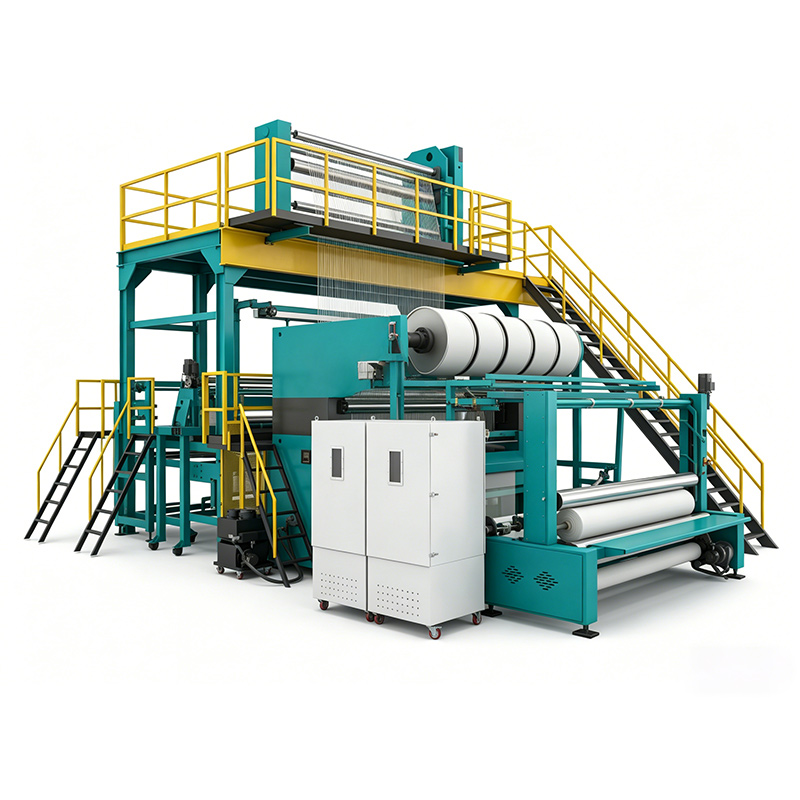
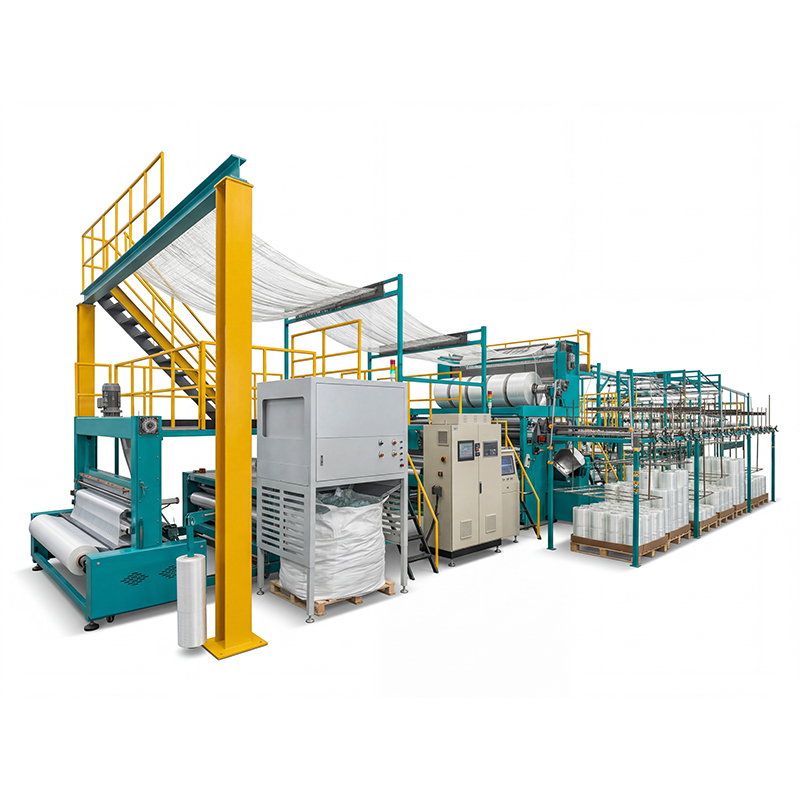
The TM Towel Machine is a specialized terry warp knitting machine developed for the production of single-sided and double-sided loop pile fabrics. Designed for demanding textile applications, it combines a dual guide bar division of functions with sinker-assisted loop formation to provide stable pile construction, accurate yarn control and flexible fabric production.
Terry fabrics are widely used in cleaning towels, hotel textiles, household rapid-cleaning products and composite materials. Although the finished fabric may appear simple, producing a consistent loop surface requires precise coordination among the guide bars, needles, sinkers, yarn let-off system, take-down mechanism and control system. Small variations in loop height, yarn tension or fabric take-down can result in uneven pile density, surface defects and reduced absorbency. The TM Towel Machine is engineered to address these production challenges through a coordinated mechanical structure and a configuration process based on the customer's fabric requirements.
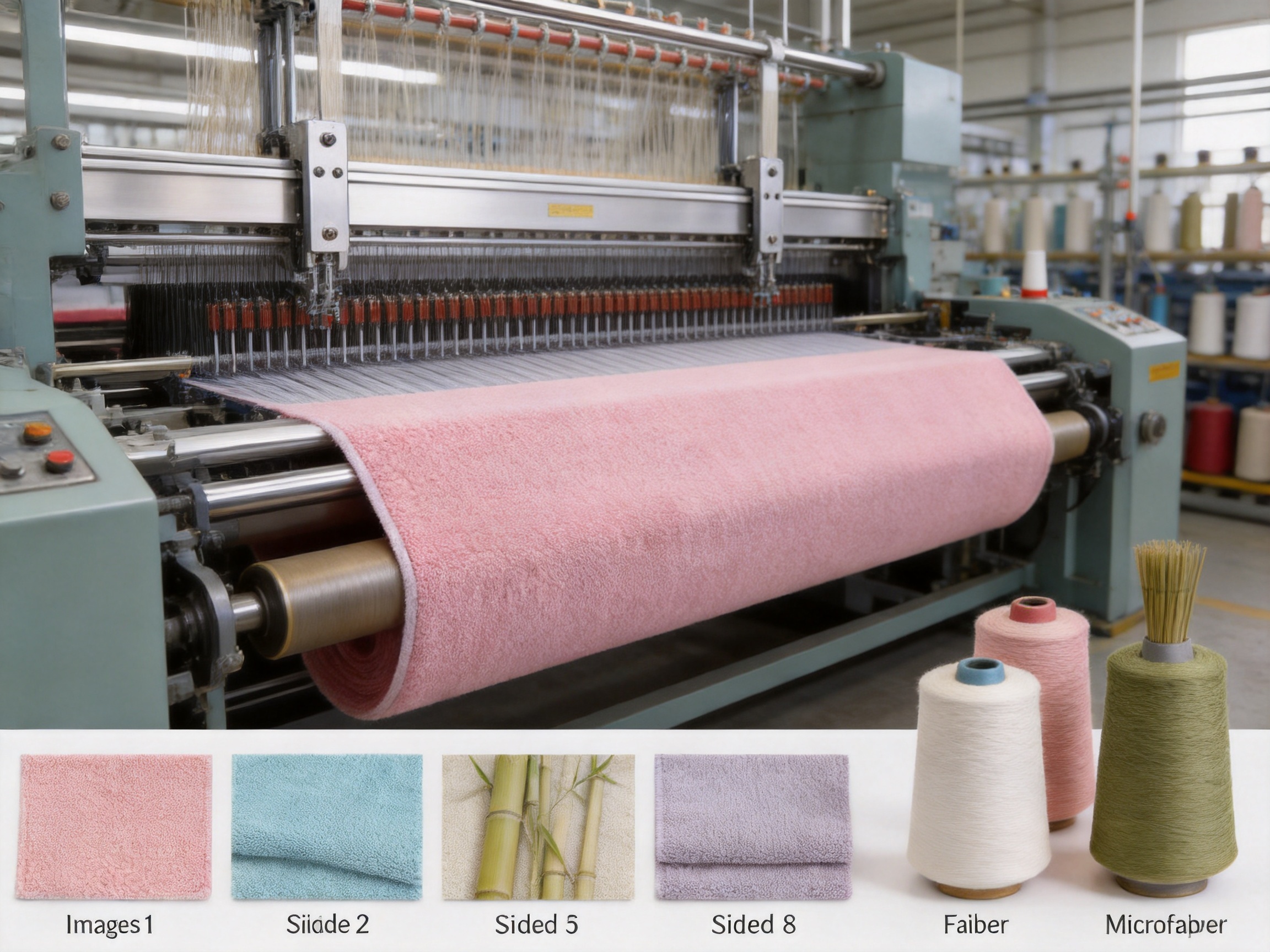
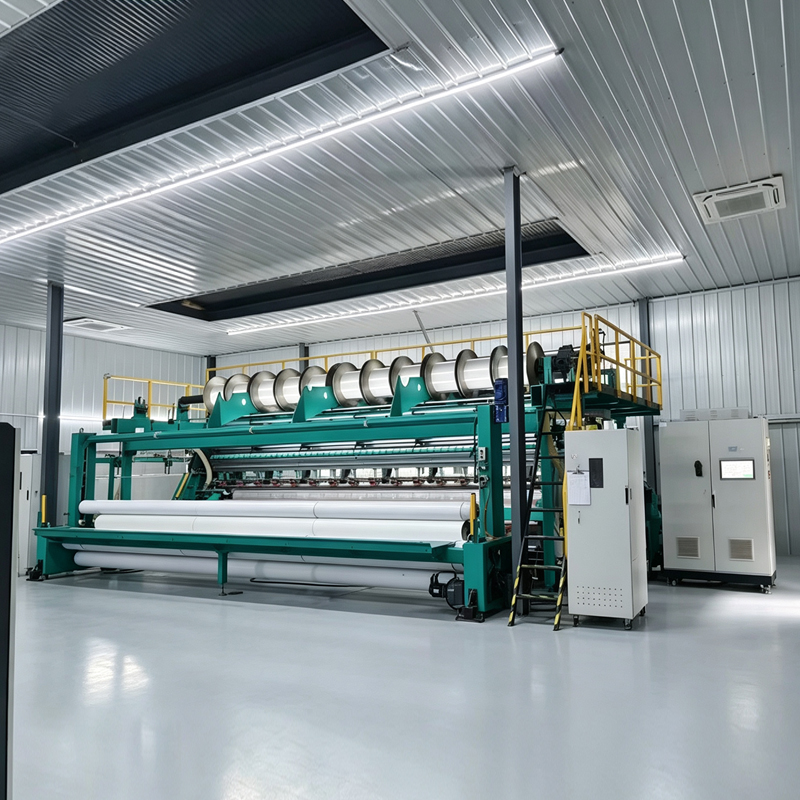
The machine is suitable for bamboo fiber, microfiber and related yarn constructions. It can also be used to produce EPE foam composite fabrics, in which a loop pile textile surface is bonded to an expanded polyethylene foam core. With standard working widths of 3500 mm and 4500 mm, the machine can serve both medium-scale and large-scale textile production lines. Its reference speed range is 50–600 r/min, while daily output is approximately 200 kg for the 3500 mm version and 240 kg for the 4500 mm version, depending on fabric construction, yarn properties and process conditions.
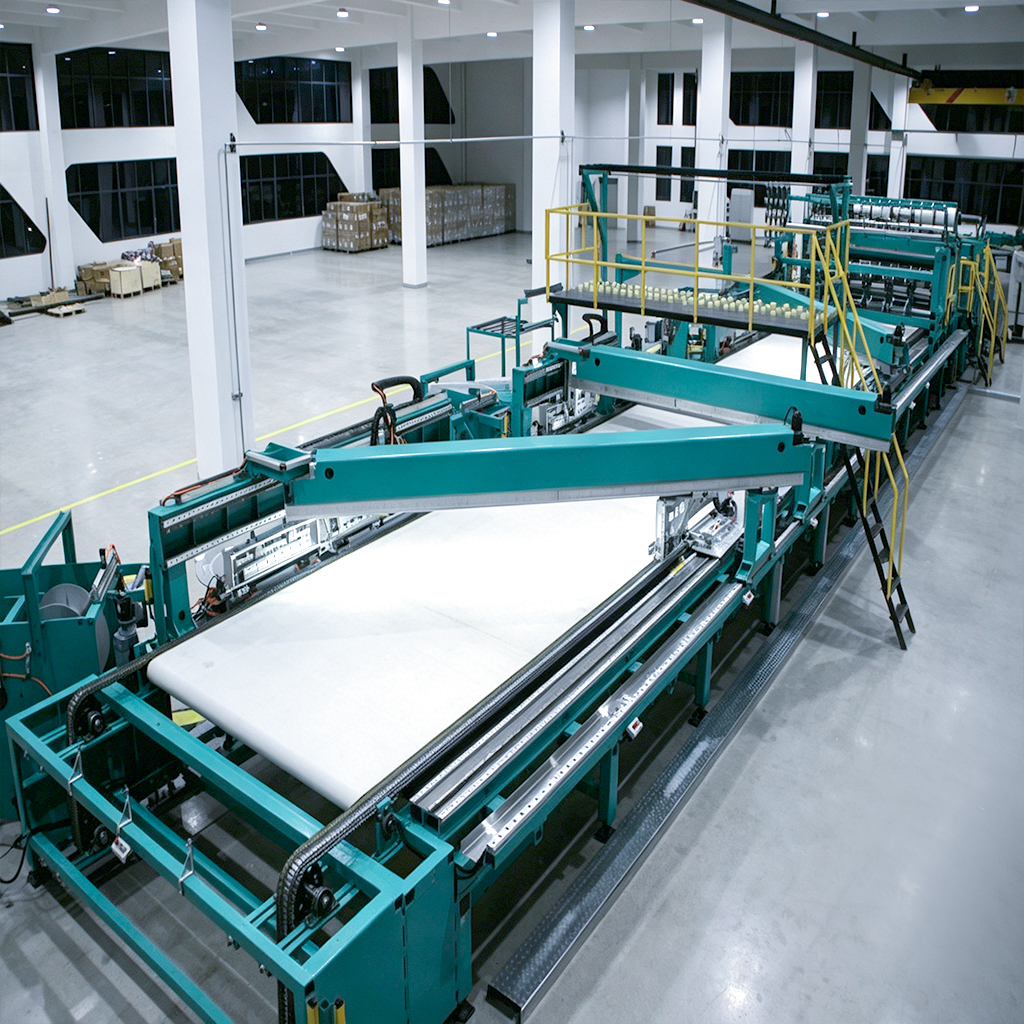
Manufactured by Changzhou Yuanyang Electromechanical Technology Co., Ltd., the TM Towel Machine forms part of a broader range of warp knitting and specialty textile equipment. The company integrates research and development, component procurement, precision machining, assembly, testing, commissioning and after-sales service. This integrated approach allows the machine to be configured around the actual fabric target instead of relying on a one-size-fits-all design.
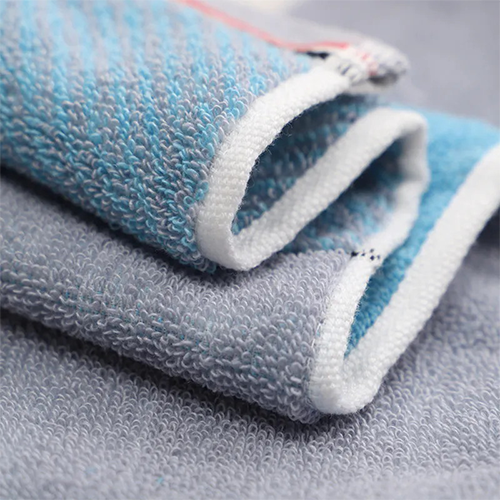
TM Towel Machine
Understanding the Role of a Terry Warp Knitting Machine
Terry warp knitting machines are designed to create a raised loop structure on one or both sides of a textile. Unlike flat warp knitted fabrics, terry fabrics contain loops that provide softness, bulk, liquid absorption and surface texture. These characteristics make them suitable for towels, cleaning cloths, hotel textiles, plush materials and various composite products.
The performance of a terry machine depends on its ability to form loops consistently across the entire working width. The machine must control the relationship between yarn delivery, guide bar movement, needle action, sinker position and fabric take-down. If these elements are not properly synchronized, the resulting fabric may show irregular pile height, missing loops, tight areas, loose areas or differences between the edges and the center of the fabric.
The TM Towel Machine uses a dual guide bar division of functions. Each guide bar performs a defined role in the fabric formation process, helping the machine manage the ground structure and pile-forming yarns in a coordinated way. Sinker-assisted loop formation further supports the creation of stable loops by controlling the yarn position during the knitting cycle.
This construction is particularly valuable when the producer needs to manufacture both single-sided and double-sided loop pile fabrics. Instead of using completely separate equipment for different terry constructions, the producer can configure the machine according to the required fabric structure. This improves production flexibility and can simplify equipment planning for factories serving several markets.
Product Applications and Fabric Types
The TM Towel Machine is intended for textile producers that require a controlled loop surface and a reliable production platform. The machine can be applied to several product categories, with the exact construction determined by the yarn, fabric design and finishing process.
Cleaning Towels
Cleaning towels require a combination of absorbency, softness, durability and dimensional stability. Bamboo fiber and microfiber are commonly selected for these products because they can provide a comfortable hand feel and effective cleaning performance when processed correctly. The loop structure increases the surface area of the fabric and helps retain moisture or cleaning liquid.
For microfiber applications, loop uniformity is especially important. Fine-denier yarns can respond sensitively to tension changes and mechanical timing. The TM Towel Machine is configured with the target yarn characteristics in mind, allowing the let-off tension, sinker selection and loop formation conditions to be matched to the intended fabric.
Hotel and Hospitality Textiles
Hotels and other hospitality facilities use terry fabrics for towels, cleaning cloths, bath products and service textiles. These products are subject to frequent washing and handling, so production quality must be consistent. A fabric with uneven loops may have an inconsistent appearance, reduced absorbency or a shorter usable life.
The machine's ability to produce single-sided or double-sided loop pile allows manufacturers to select a construction suited to the end product. A double-sided loop structure may be selected where absorbency and a soft surface are required on both faces. A single-sided construction can be useful when only one face needs to provide a pile surface or when the reverse side is intended for bonding, coating or another finishing operation.
Household Rapid-Cleaning Products
Household cleaning products often require a balance between efficient production and controlled fabric performance. Loop height, density and yarn selection influence the way a cloth contacts a surface, retains water and releases dirt during washing. The TM Towel Machine can be configured according to the required fabric sample or construction drawing, giving the producer a more direct route from product specification to machine setup.
EPE Foam Composite Fabrics
EPE foam composite fabrics combine a textile layer with expanded polyethylene foam. In some constructions, a loop pile surface is bonded to the foam core to provide a textured, soft or protective outer layer. These materials can be used in cleaning products, protective goods and other specialized applications.
For composite production, the textile structure must be suitable for the bonding process and final product requirements. The fabric may need a stable ground structure, consistent pile coverage and sufficient dimensional control during handling. The TM Towel Machine provides the loop-forming stage, while the final composite performance depends on the selected adhesive system, lamination process, foam specification and finishing conditions.
Plush and Comfort Materials
Single-sided loop structures may also be used as a base for brushed, sheared or otherwise finished plush materials. The final surface appearance depends on the relationship between the initial loop structure and the downstream treatment. A controlled starting structure gives the finishing operation a more consistent material to process.
Core Technical Specifications
The following specifications provide a general reference for the TM Towel Machine. Final performance depends on the fabric design, yarn type, process settings, operator practice and downstream equipment.
| Parameter | Reference specification | Production significance |
|---|---|---|
| Machine type | Terry warp knitting machine | Designed for loop pile fabrics and terry textile structures |
| Machine speed | 50–600 r/min | Actual operating speed is selected according to fabric construction and yarn behavior |
| Standard working width | 3500 mm (138") | Reference daily output of approximately 200 kg |
| Standard working width | 4500 mm (177") | Reference daily output of approximately 240 kg |
| Loop formation | Sinker-assisted | Supports stable and repeatable loop construction |
| Guide bar arrangement | Dual guide bar division of functions | Supports single-sided and double-sided loop pile configurations |
| Applicable fibers | Bamboo fiber and microfiber | Suitable for cleaning, hotel and household textile products |
| Composite application | EPE foam composite fabrics | Provides a loop textile layer for subsequent bonding or lamination |
The daily output figures are reference values rather than guaranteed production results for every fabric. A heavy, dense terry construction may operate at a different speed from a lightweight cleaning fabric. Yarn count, loop height, stitch density, fabric width, machine settings and finishing requirements all influence production capacity. For this reason, a production estimate should be confirmed using the customer's actual construction rather than relying only on nominal machine data.
Advantages of the Dual Guide Bar and Sinker-Assisted Structure
Flexible Single-Sided and Double-Sided Production
One of the main advantages of the TM Towel Machine is its capacity to support both single-sided and double-sided loop pile fabrics. This flexibility enables a manufacturer to serve several product categories with one machine platform. The exact configuration is selected during the engineering stage based on the fabric sample, technical drawing or product specification.
Single-sided terry fabrics can be used when the pile is required on only one face. This may reduce material consumption or provide a smooth reverse side for bonding, printing or handling. Double-sided terry fabrics provide loop surfaces on both faces and may be preferred for towels, bath products and highly absorbent cleaning materials.
Controlled Loop Formation
The sinker-assisted loop formation system helps guide the yarn into the intended loop position during the knitting cycle. Accurate sinker timing and profile selection are important because they influence loop height, shape and density. When these factors are properly matched to the yarn and fabric construction, the machine can produce a more uniform terry surface across the working width.
Consistent loops are important for both product appearance and functional performance. In cleaning products, they influence absorbency and contact with the cleaned surface. In hotel textiles, they affect softness, visual quality and durability. In composite materials, they can influence bonding coverage and the final surface texture.
Adaptation to Different Yarn Behaviors
Bamboo fiber and microfiber do not behave identically during knitting. Their surface characteristics, flexibility, friction and response to tension can differ significantly. A machine intended for both materials must provide a suitable adjustment range rather than treating every yarn in the same way.
The TM Towel Machine is configured with attention to yarn count, yarn type, let-off tension, sinker selection and desired loop height. This approach allows the machine to be prepared for the specific material instead of requiring the operator to compensate for an unsuitable standard configuration during production.
Wide Working Width Options
The 3500 mm and 4500 mm working width options give producers a choice between two common production formats. The correct width depends on the required finished fabric width, cutting plan, roll handling equipment, production volume and plant layout.
A wider machine can improve output potential where the product and downstream line can use the additional width. A 3500 mm machine may be appropriate where the plant has a more limited footprint or where the required product width and volume do not justify the larger frame. Width selection should be made together with an assessment of the finishing line, inspection equipment and roll transportation method.
Compatibility with Broader Textile Production Lines
The TM Towel Machine can operate as a dedicated terry production unit or as part of a wider warp knitting facility. Manufacturers that produce several types of technical textiles may also use stitch-bonding, biaxial or multiaxial warp knitting equipment in the same plant. This makes it possible to organize different machines around separate product families while maintaining a common approach to engineering, service and spare parts management.
Advantages Compared with Less Specialized Equipment
A general warp knitting machine may produce a variety of flat or open structures, but terry production requires specific control of pile formation. A machine that is not designed around loop creation may require extensive modifications, compromise production speed or provide limited control over pile quality. The TM Towel Machine is purpose-built around the requirements of terry structures.
Purpose-Built Pile Formation
The combination of dual guide bar functions and sinker-assisted loop formation gives the machine a structure specifically intended for terry fabrics. This is an advantage over equipment that relies on improvised or less coordinated loop-forming arrangements. The machine is designed to address the relationship between ground construction and pile yarn formation from the beginning of the engineering process.
Greater Product Flexibility
Some competing machines may be optimized for only one pile direction or one product category. The TM Towel Machine is intended for both single-sided and double-sided loop pile fabrics. This can reduce the need for separate machines when a producer's product range includes cleaning cloths, hotel towels and composite textile materials.
Configuration Based on the Fabric Target
Another advantage is the configuration process. Instead of offering only a fixed machine specification, the manufacturer reviews the fabric sample or construction drawing, yarn details, target width, output requirement and line conditions. The machine is then prepared around those inputs. This approach is particularly useful for non-standard or developing products for which the producer needs to validate a specific construction.
Integrated Manufacturing and Testing
The manufacturer manages research and development, manufacturing, assembly, testing and debugging as connected activities. This can improve communication between engineering and production teams and helps reduce the risk that design details are lost during machine construction.
Before dispatch, each machine is assembled and tested at the company's Danyang production base. Pre-delivery verification can cover machine speed, loop formation, fabric appearance and basic operating functions. Where required, testing can be carried out using customer-supplied yarn or an agreed fabric construction so that the machine is evaluated under conditions closer to the intended application.
Long-Term Technical Support
Machine performance depends not only on the original design but also on installation, operator training, maintenance and spare parts availability. The manufacturer provides support for commissioning, operator instruction, maintainer training, spare parts and remote technical guidance. On-site service can also be arranged for projects that require installation assistance or production verification.
Advanced Manufacturing Process and Quality Control
The quality of a terry warp knitting machine is influenced by the precision of its components and the consistency of its assembly. Guide bars, sinkers, needles, drive elements, let-off devices and fabric take-down systems must operate together within the required mechanical tolerances. A small alignment error can become visible as a fabric defect after many thousands of knitting cycles.
Research and Development
The company's research and development team includes experienced textile machinery engineers who work on product performance, structural design and special equipment configurations. Their work is directed toward practical production needs, including complicated fabric designs, difficult-to-process materials and equipment that must remain stable over long operating periods.
For the TM Towel Machine, development work focuses on the mechanisms that influence loop formation, fabric stability and operational flexibility. Engineering decisions are evaluated in relation to actual textile applications rather than only theoretical machine performance.
Precision Component Procurement
Reliable machine operation begins with appropriate component selection. Components used in the guide bar, needle, sinker, drive and control systems must be suitable for continuous textile production. Procurement is therefore treated as part of the quality-control process rather than as an isolated purchasing activity.
Parts are selected according to their functional requirements, expected wear conditions and compatibility with the complete machine. This is important for terry equipment because moving elements such as sinkers and needles are repeatedly exposed to yarn contact and mechanical loading.
Machining and Mechanical Accuracy
Precision machining supports the alignment and stability of the machine frame and its operating mechanisms. The frame must provide a stable platform for the guide bars, needle bed, sinker system, yarn delivery and take-down components. Proper machining and assembly help maintain the relative positions of these elements during operation.
Mechanical accuracy is particularly important across a wide working width. The machine must maintain consistent operating conditions from one side to the other. If the structure is not sufficiently stable, the center and edge areas may form different loop characteristics or show variations in fabric tension.
Assembly and Alignment
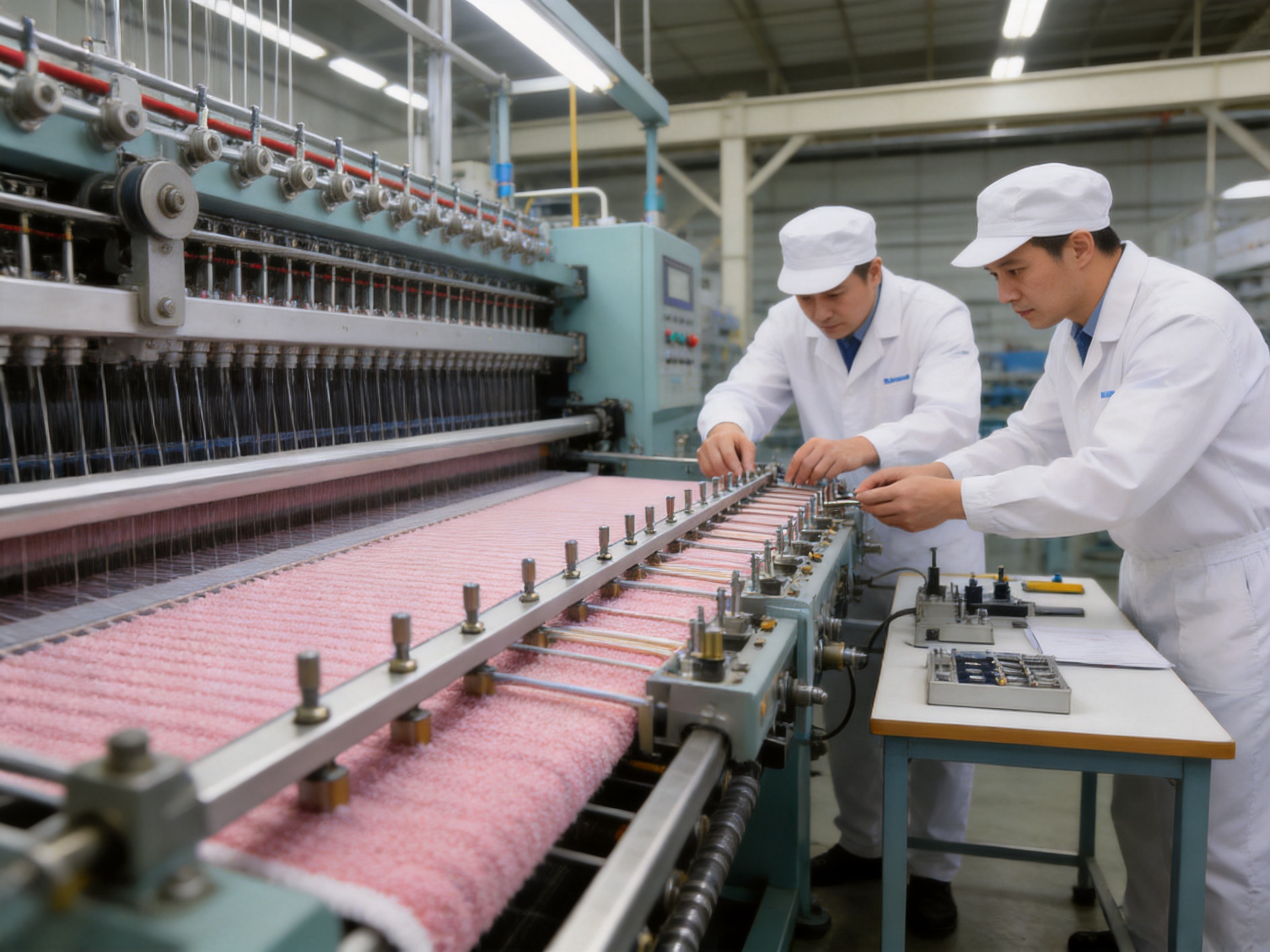
During assembly, the machine's main systems are installed and aligned as an integrated unit. The process includes checking the relationship among the guide bars, needles, sinkers, yarn paths, drive system and take-down mechanism. Alignment is followed by functional testing and adjustment before the machine is released for shipment.
At the installation site, the machine is placed on a level, vibration-isolated floor. Foundation conditions, clearance for beam loading, fabric take-down access and roll handling must be confirmed in advance. Correct site preparation protects the machine's mechanical accuracy and helps reduce installation delays.
Pre-Delivery Testing
Pre-delivery testing is used to identify and correct problems before the machine reaches the customer's factory. The test process can include checking operating speed, guide bar movement, sinker timing, yarn let-off, fabric take-down, emergency stop circuits and sample fabric appearance.
For a customized project, acceptance criteria are normally agreed before shipment. These criteria may include pile height, loop density, fabric width, surface uniformity and the ability to produce the confirmed construction. If the customer supplies the intended yarn, testing with that yarn can provide additional confirmation of machine suitability.
Manufacturing Integration
The company combines research and development, manufacturing, sales and service within one organization. This integration is valuable when a project involves a non-standard machine arrangement or a complex fabric. The sales and engineering teams can collect production requirements, the manufacturing team can build the required configuration, and the service team can support installation and commissioning after delivery.
Such integration also creates a feedback cycle. Information from installation, production trials and customer service can be used to improve later machine configurations. For specialty equipment, this practical feedback is important because fabric requirements vary significantly between industries and markets.
Configuration Options for Different Production Requirements
The TM Towel Machine is configured according to the intended product and production environment. The following factors are normally reviewed before a technical specification and quotation are prepared.
Pile Direction and Fabric Structure
The first decision is whether the fabric requires a single-sided or double-sided loop pile. The required pile direction affects the guide bar arrangement, sinker selection and machine setup. A fabric sample or construction drawing provides the most reliable basis for confirming the structure.
Loop Height and Density
Loop height and density influence softness, absorbency, weight, appearance and finishing behavior. Taller loops may provide a more pronounced surface, while a denser construction may provide greater coverage or a different hand feel. These parameters must be considered together with yarn properties and the intended end use.
Yarn Type and Count
Bamboo fiber and microfiber may require different tension settings and loop-forming conditions. Yarn count also affects the amount of material in each loop and the overall fabric weight. Detailed yarn information allows the engineering team to select suitable settings and recommend an appropriate operating range.
Working Width
The standard options are 3500 mm and 4500 mm. Selection should take account of finished fabric width, edge waste, cutting requirements, inspection equipment and downstream roll handling. The width should also match the available space in the workshop and the capacity of the finishing line.
Required Output
Output requirements influence the machine speed, working width, shift schedule and fabric construction. A customer planning continuous production may need a different setup from a customer producing multiple small orders. The estimated daily output should be calculated from the actual fabric weight and construction rather than from speed alone.
Workshop Layout and Utilities
Before installation, the factory should confirm floor strength, floor level, vibration conditions, power supply, lighting, ventilation, compressed air requirements and material-handling access. Adequate clearance is required for beam changes, inspection, maintenance and fabric roll removal.
Line Interface
If the machine will connect to an existing take-up, finishing, cutting or laminating system, interface requirements should be discussed at the design stage. Control signals, fabric handling direction, roll dimensions and operating procedures should be aligned so the machine can be integrated without unnecessary modification.
Installation and Commissioning
Professional installation is an important part of achieving stable terry production. The machine should be positioned on a properly prepared floor and aligned before operation. Beam loading and fabric take-down areas must remain accessible for safe and efficient handling.
Installation normally includes frame levelling, mechanical alignment, connection of utilities, inspection of electrical and control systems, checking of yarn paths and verification of safety devices. Guide bar and sinker timing are checked against the agreed fabric construction before the first production trial.
During commissioning, the operator team is introduced to threading, beam changes, machine startup, speed adjustment, tension control, fabric inspection and fault recognition. The machine should not be released for routine production until emergency stops, guards and other safety circuits have been verified.
The first fabric trial is used to confirm the relationship between machine settings and the target construction. Adjustments may be made to yarn let-off, take-down tension, machine speed, pile-forming conditions and other process parameters. The final settings should be recorded so that future production can be repeated more easily.
Operator Training and Production Management
Even a precisely manufactured machine depends on correct daily operation. Operators must understand how yarn threading, tension, guide bar movement, sinker condition and take-down settings influence the fabric. Early recognition of defects can prevent a small issue from developing into a long roll of nonconforming material.
Training commonly covers the following areas:
- Safe machine startup and shutdown procedures.
- Yarn preparation, threading and beam change operations.
- Basic adjustment of machine speed and yarn let-off.
- Recognition of missing loops, uneven pile, yarn breaks and tension marks.
- Inspection of fabric width, surface uniformity and roll formation.
- Routine cleaning, lubrication and inspection.
- Emergency stop use and safe access to guarded areas.
Maintainers require more detailed instruction concerning needles, sinkers, guide bars, lubrication points, timing checks and replacement procedures. Well-trained personnel can improve machine availability and reduce the risk of damage caused by delayed maintenance or incorrect adjustments.
Maintenance and Spare Parts
Regular maintenance protects both fabric quality and machine life. Terry production involves repeated yarn contact and high-frequency movement, so guide bars, sinkers and needles should be inspected according to the operating schedule. Accumulated lint and fiber should be removed from accessible areas to prevent interference with moving components.
Routine Inspection
Routine inspection should include the condition of needles and sinkers, guide bar movement, yarn paths, lubrication points, take-down rollers and safety guards. Operators should also monitor unusual noise, vibration, temperature or changes in fabric appearance.
Guide Bar and Sinker Care
Guide bars and sinkers directly influence loop formation. Wear, contamination or incorrect timing can cause irregular pile, loop loss or fabric defects. Cleaning and inspection should therefore be part of the normal maintenance routine, especially when processing fine microfiber yarns or materials that generate significant lint.
Needle Replacement
Damaged or worn needles can create visible defects and may affect neighboring knitting elements. Needle replacement should be carried out using the correct part and procedure. After replacement, the machine should be checked at low speed before the production speed is restored.
Lubrication and Tension Calibration
Correct lubrication reduces friction and supports smooth operation. Yarn tension and take-down calibration are also important because changes in these settings can directly affect loop height, fabric weight and dimensional stability. Maintenance records should be kept so that changes can be traced and repeated settings can be restored.
The manufacturer supports customers with spare parts supply, technical guidance and service assistance. This support is intended to help production teams manage routine maintenance and address technical problems without unnecessary delay.
Quality Acceptance and Fabric Verification
Acceptance of a TM Towel Machine is normally based on an agreed fabric sample or construction specification. The customer and manufacturer define the target before shipment so that the machine can be tested against measurable requirements.
Typical acceptance items may include:
- Single-sided or double-sided pile structure.
- Specified pile height and loop density.
- Fabric width and edge condition.
- Surface uniformity across the working width.
- Operating speed appropriate to the confirmed construction.
- Fabric weight or output reference where applicable.
- Stable machine operation and functioning safety systems.
It is important to distinguish machine capability from final product performance. The machine creates the knitted terry structure, while dyeing, washing, brushing, shearing, bonding, drying and other finishing operations can alter the final appearance and weight. Acceptance should therefore define which characteristics are evaluated at the knitting stage and which belong to downstream processing.
Where a customer's own yarn is available, a production trial using that yarn can provide a more meaningful evaluation than a test using a substitute material. Yarn friction, elasticity, moisture content and surface properties may all influence the loop-forming process.
Why Choose an Integrated Textile Machinery Manufacturer
Buying a specialty textile machine involves more than comparing speed and working width. The equipment must match the fabric, the factory and the production plan. An integrated manufacturer can provide support across the project lifecycle, from initial technical review to long-term maintenance.
Changzhou Yuanyang Electromechanical Technology Co., Ltd. focuses on warp knitting equipment and related specialty machinery. Its product range includes stitch-bonding machines, biaxial warp knitting machines, multiaxial warp knitting machines, carbon fiber multiaxial warp knitting machines, powder scattering machines and web laying machines. This broader technical background supports the development of equipment for nonwoven, composite and technical textile applications.
The company places particular emphasis on customized equipment configurations, complex fabric designs, difficult-to-process materials and production lines requiring long-term stability. This positioning is relevant to terry production because the correct machine configuration depends on the relationship between yarn, loop structure, working width, output and finishing process.
The manufacturer also provides a service system covering installation, commissioning, operator training, maintainer training, spare parts and technical support. Assistance may be provided at the factory or at the customer's site. For international customers, remote guidance can supplement on-site service during production troubleshooting and routine maintenance.
Project Planning Checklist
Customers preparing a TM Towel Machine project should collect detailed technical information before requesting a quotation. This allows the machine configuration and output estimate to be based on realistic production conditions.
| Required project information | Reason for review |
|---|---|
| Fabric sample or construction drawing | Defines pile direction, loop height, density and basic structure |
| Yarn type and count | Supports selection of let-off conditions and loop-forming components |
| Target fabric width | Determines whether the 3500 mm or 4500 mm version is more suitable |
| Daily output requirement | Helps confirm speed, shift planning and machine utilization |
| End-use application | Connects the fabric structure with cleaning, hotel or composite requirements |
| Finishing process | Ensures the knitted structure is suitable for washing, brushing, bonding or other treatment |
| Workshop dimensions | Confirms installation clearance and material-handling access |
| Power and compressed air information | Supports utility planning and installation preparation |
| Existing line interface | Allows compatibility with take-up, inspection, cutting or laminating systems |
Providing this information at the beginning of the project can reduce later changes. It also enables a more accurate discussion of machine speed, production capacity, acceptance criteria and commissioning arrangements.
Frequently Asked Questions
What products can the TM Towel Machine produce?
The machine is designed for terry and loop pile fabrics used in cleaning towels, hotel textiles, household rapid-cleaning products, plush materials and EPE foam composite fabrics. The exact product depends on the yarn, pile structure, finishing process and final application.
Can it produce both single-sided and double-sided terry fabrics?
Yes. The dual guide bar division of functions and sinker-assisted loop formation support both single-sided and double-sided loop pile configurations. The required structure should be confirmed during the technical design stage using a sample or construction drawing.
What fibers are suitable for this machine?
The stated applicable fibers include bamboo fiber and microfiber. Other yarns may also be considered after reviewing their count, surface properties, strength, elasticity and processing requirements. A trial with the customer's actual yarn is recommended for non-standard materials.
What are the standard working widths?
The standard working widths are 3500 mm, equivalent to approximately 138 inches, and 4500 mm, equivalent to approximately 177 inches. The appropriate selection depends on the finished product width, output target, downstream equipment and workshop layout.
What is the machine speed?
The reference speed range is 50–600 r/min. The actual operating speed depends on the fabric construction, yarn type, pile height, stitch density, machine setup and required quality level. A lower speed may be appropriate for a heavy or technically demanding fabric.
What is the expected daily output?
The reference daily output is approximately 200 kg for the 3500 mm version and approximately 240 kg for the 4500 mm version. These figures are for reference only. Actual production varies according to fabric weight, construction, yarn properties, operating speed, shift schedule and process efficiency.
How does sinker-assisted loop formation improve production?
The sinker helps control the yarn during the loop-forming cycle. Correct sinker profile and timing support consistent loop height, shape and density. This is important for surface appearance, absorbency, softness and the suitability of the textile for later bonding or finishing.
Can the machine be customized for a particular terry construction?
Yes. Configuration can be based on the pile direction, loop height, density, yarn type, working width, output requirement and downstream process. The manufacturer normally reviews a fabric sample or technical drawing before confirming the machine arrangement.
Can the machine produce EPE foam composite fabrics?
The machine can produce the loop textile layer used in EPE foam composite fabrics. The final composite is completed through a separate bonding or laminating process. Adhesive selection, foam properties and composite line settings must be evaluated separately.
What should be prepared before installation?
The customer should prepare a level and vibration-isolated floor, sufficient space for beam loading and fabric take-down, suitable power supply, required compressed air and safe access for maintenance. The layout should also allow movement of yarn beams and finished rolls.
What training is provided?
Training can cover machine operation, yarn threading, beam changes, speed and tension adjustment, fabric inspection, fault recognition, cleaning, lubrication, safety procedures and routine maintenance. Training can be arranged at the manufacturer's facility or at the customer's production site.
How are machine acceptance criteria defined?
Acceptance is normally based on a fabric sample or construction specification agreed before shipment. The criteria may include pile height, loop density, fabric width, surface uniformity, operating speed and stable machine operation. Customer-supplied yarn can be used for testing when required.
What after-sales service is available?
Support includes installation and commissioning, spare parts supply, remote technical guidance, operator training, maintainer training and long-term service. On-site assistance can be arranged for projects that require additional installation or production support.
How should a customer begin a project?
The customer should provide a fabric sample or construction drawing, yarn type and count, target working width, desired output, end-use information, finishing process and workshop details. The engineering team can then review the requirements, recommend a configuration and prepare a technical quotation.
Conclusion
The TM Towel Machine provides a specialized solution for manufacturers producing single-sided and double-sided terry fabrics. Its dual guide bar division of functions and sinker-assisted loop formation are designed to support stable loop construction, flexible product development and controlled fabric quality.
With 3500 mm and 4500 mm working width options, a reference speed range of 50–600 r/min and compatibility with bamboo fiber, microfiber and EPE foam composite applications, the machine can be adapted to a broad range of cleaning, hospitality, household and technical textile products.
Its advantages are strengthened by the manufacturer's integrated approach to research and development, precision manufacturing, assembly, testing, commissioning and service. Rather than treating the machine as a fixed standard product, the company evaluates the fabric target, yarn, output, workshop and downstream line before finalizing the configuration. This method helps customers select equipment that is better aligned with their actual production conditions.
For textile manufacturers seeking consistent terry surfaces, production flexibility and long-term technical support, the TM Towel Machine offers a practical platform for developing and manufacturing modern loop pile fabrics.
References
1. Product technical information for the TM Towel Machine, including working width, speed range, output references and fabric applications.
2. Technical notes on terry warp knitting, dual guide bar operation and sinker-assisted loop formation.
3. Internal production and quality-control procedures for textile machinery assembly, testing and commissioning.
4. Application information for bamboo fiber, microfiber cleaning textiles and EPE foam composite fabrics.
5. Textile machinery maintenance guidance covering guide bars, sinkers, needles, yarn let-off systems and fabric take-down equipment.
6. Project engineering requirements for warp knitting machine installation, workshop utilities and production-line integration.
Product: TM Towel Machine

News
-
Two quotations land on the same desk. Both offer a multiaxial warp knitting line, both list the same working width, both promise high output. One buyer signs and discovers six months later that the f...
READ MORE -
Match the machine type to the fabric: choose a tricot Warp Knitting Machine for fine, smooth fabrics such as lining and sportswear, a raschel machine for open, patterned, and technical fabrics, a doub...
READ MORE -
Three quotations land on the same desk for the same polyester nonwoven line, and on paper they look interchangeable. Each is priced per metre of working width. Each quotes a similar top speed. Each c...
READ MORE -
A fabric engineer compares two swatches on a cutting table. One is a lightweight mesh that holds its shape, resists runs, and stretches very little. The other is a soft jersey that curls at the edges...
READ MORE
-
Contact Info.
+86-198 5534 1617
+86-134 0158 3002yuanyang@yywarpknitting.com 699#, Shengzhi West Rd, Lvcheng Town, Danyang City, Zhenjiang City, Jiangsu Province, China

-
QR Code
-
Quick Links
Home About Products Manufacturing Customization News Contact -
Product List
Machine for Chemical Fiber Textile Machine for Fiberglass Textile Machine for Carbon Fiber Textile -
About Us
Company Profile Factory Gallery Value-added Service
Copyright © 2026 Changzhou Yuanyang Electromechanical Technology Co., Ltd. All Rights Reserved.
Custom Warp Knitting Machine Manufacturers
